The 2026 World Cup marks a massive expansion from 32 to 48 teams, featuring 104 matches across North America. This restructure shifts global football's center of gravity toward the North American market while significantly increasing representation for teams from Africa, Asia, and Oceania through a new 39-day tournament format.
The 2026 World Cup Power Shift represents the most aggressive expansion in FIFA history, replacing the functional 32-team format with a bloated, 48-team marathon designed for maximum broadcast revenue. If you have ever wanted to know what a panic attack feels like when it is dressed in a polyester jersey, congratulations, it looks like 48 teams trying to fit into one bracket. We are talking about a 50% increase from the old 32-team format that was actually functional and digestible.
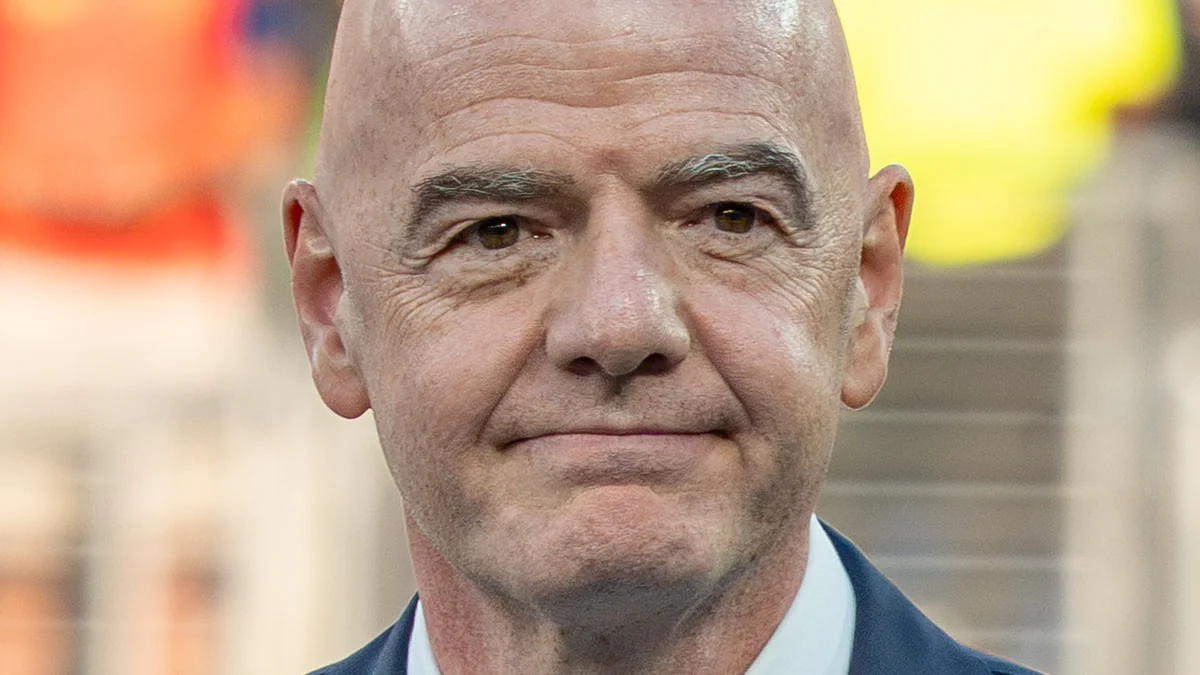
Gianni Infantino, a man whose smile suggests he just sold your childhood home to a private equity firm, has decided that scarcity is for losers. Since 1998, we have lived in a world where you actually had to be good at football to show up. Now, thanks to corporate-brained expansionism, we have 104 matches over 39 days.
It is a marathon held in a swamp of pure content. The OFC even received its first-ever guaranteed direct slot in history, because no corner of the planet is safe from the reach of global broadcast rights fees. Congratulations, you beautiful, optimistic idiot, you thought this was actually about sport.
Geopolitical Participation Trophies: Managing the 2026 World Cup Power Shift
Continental berths are not actually about footballing excellence. They are a form of administrative penance, specifically the kind you pay when you want to keep your executive suite from burning down. The FIFA map now looks like a room full of divorced dads trying to assemble IKEA furniture using only feelings.
CAF representation has nearly doubled to nine direct slots. The AFC has similarly ballooned to eight, effectively turning the tournament into a multipolar influencer convention. UEFA even received sixteen direct berths, up from thirteen, just to ensure no heritage brand accidentally fails to qualify.
This expansion welcomes the debutants to the slaughter with a smile. Cape Verde, Curaçao, Jordan, and Uzbekistan are the wide-eyed children being ushered into the Colosseum while the traditional powers wait. FIFA relies on the coefficient—bureaucrat slang for an expensive math problem—to ensure the spreadsheet-poisoned elite never truly lose their grip.
The 2026 World Cup is a war of attrition where the only winner is the marketing department.
The $40 Billion Spreadsheet: GDP Growth as a Hamster on Meth
Economic projections are less like science and more like a drunk uncle explaining his foolproof system for winning at the dog track. The WTO and FIFA are claiming a $40.9 billion contribution to global GDP. The United States is projected to see a $17.2 billion GDP boost and the creation of 185,000 new jobs.
Congratulations, you beautiful, optimistic idiot, you might finally get that career-defining role as an unpaid parking lot flagger. We are letting them count these temporary vending contracts as a renaissance. Most of these 185,000 jobs are basically just elaborate ways to make people stand in the sun until they lose their minds.
FIFA projects revenues between $11 billion and $13 billion because the commercial center of gravity has shifted to the North American market. While 16 host cities foot the bill for infrastructure and security, FIFA keeps the broadcasting rights. The math is essentially a spreadsheet-poisoned fantasy designed to make local taxpayers feel better about their looming municipal deficits.
The Round of 32: Where Hope Goes to Die via Penalty Shootout
This extra knockout round is the ultimate vibe killer. Previously, you survived the group stage and felt like a god. Now, you just get more homework and a higher risk of an ACL tear that leaves your season absolutely cooked.
Canada became the first-ever winner of a World Cup Round of 32 match, which is a sentence that feels like a glitch in the simulation. In Boston, Germany defeated Paraguay just to prove that efficiency never sleeps. Brazil had to claw back from 1-0 down to beat Japan 2-1 in a stressful masterclass in survival.
We are letting them stretch the human spirit across 104 matches. The transition to this format makes the penalty shootout statistically inevitable. We are deciding the fate of nations by kicking a ball from twelve yards, played by men who have not seen their families in forty days.
At MetLife Stadium, France and Sweden engaged in a tactical stalemate that felt like watching two librarians argue over a late fee. Meanwhile, Ivory Coast and Norway turned AT&T Stadium into a gladiatorial pit. It is beautiful, exhausting, and completely unhinged.
Old Gods and Humanoid Robots: The Player as an Independent Creator
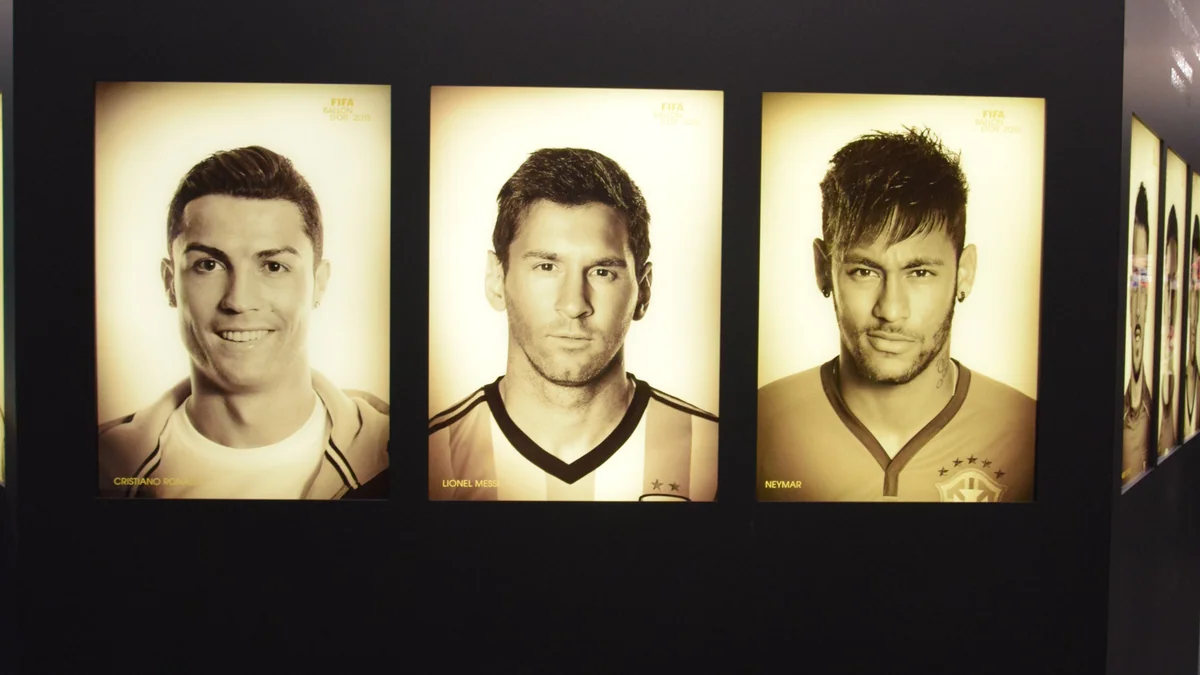
Lionel Messi is currently thirty-nine years old and leading the tournament with six goals as of late June. Most people his age get a localized weather event in their lower back just from sitting down too fast. It is a direct insult to the biological reality of being a human person.
While researchers are busy perfecting the Unitree G1 humanoid robot to mimic our movements, Messi is outperforming physics. This World Cup feels like a glitch in the matrix where the old gods refuse to leave the stage. Cristiano Ronaldo is still hunting his first title, radiating that intense main character energy like a classic rock star on his tenth farewell tour.
The torch is being snatched by the algorithm-rotted youth. Kylian Mbappé is already chasing scoring records for a French side that functions like a well-oiled corporate machine. Then you have Lamine Yamal, the Spanish star who is so young he probably needs a permission slip to stay out past ten.
Simulating the Apocalypse: Why Your Betting Slip is Already Cooked
The Athletic claims they estimate each team's chances by simulating the entire tournament thousands of times. It is a charmingly epistemological dumpster fire. They want us to believe a computer can predict the outcome of 48 teams colliding in a 39-day fever dream of match congestion and commercial greed.
France holds the highest win probability at 20.1 percent, while Argentina sits at a slightly less confident 15.8 percent. These numbers are just comfort blankets for people who cannot handle reality. Lionel Messi's six goals are the only thing keeping the global economy from a total vibes-based collapse.
The Netherlands has risen into the top tier with a 6.5 percent win chance. Morocco is now a top contender with a surging win probability that makes the traditional European powers look absolutely cooked. Meanwhile, Team USA is the dark horse because of growing public betting sentiment.
Market volatility is the only constant because there is still no runaway favorite. Anyway, math is a lie told by people who wear vests to work, and your betting slip is just a very expensive piece of confetti. Sleep well while navigating the 2026 World Cup Power Shift.