The FIFA-UEFA Schism represents a total fracture in the post-war institutional architecture of global football governance. This crisis was precipitated by the $20 billion "FIFA Forward Enterprise" plan to sell minority stakes in the World Cup’s commercial rights, leading to a historic 2026 boycott by European nations.
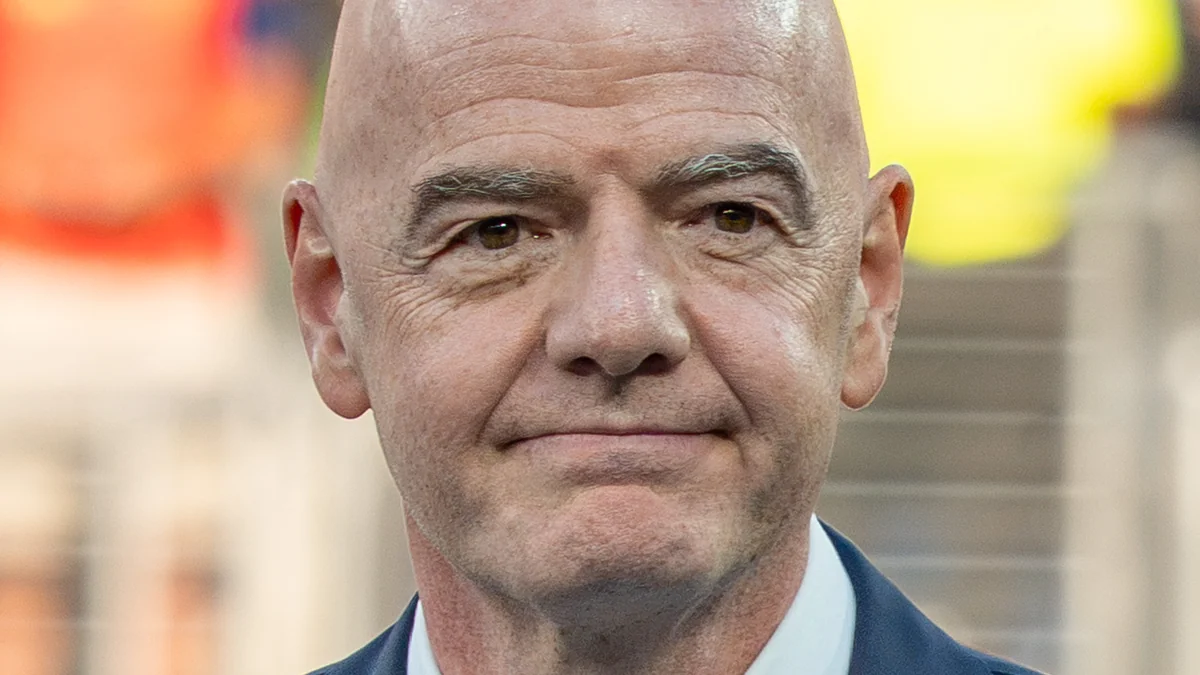
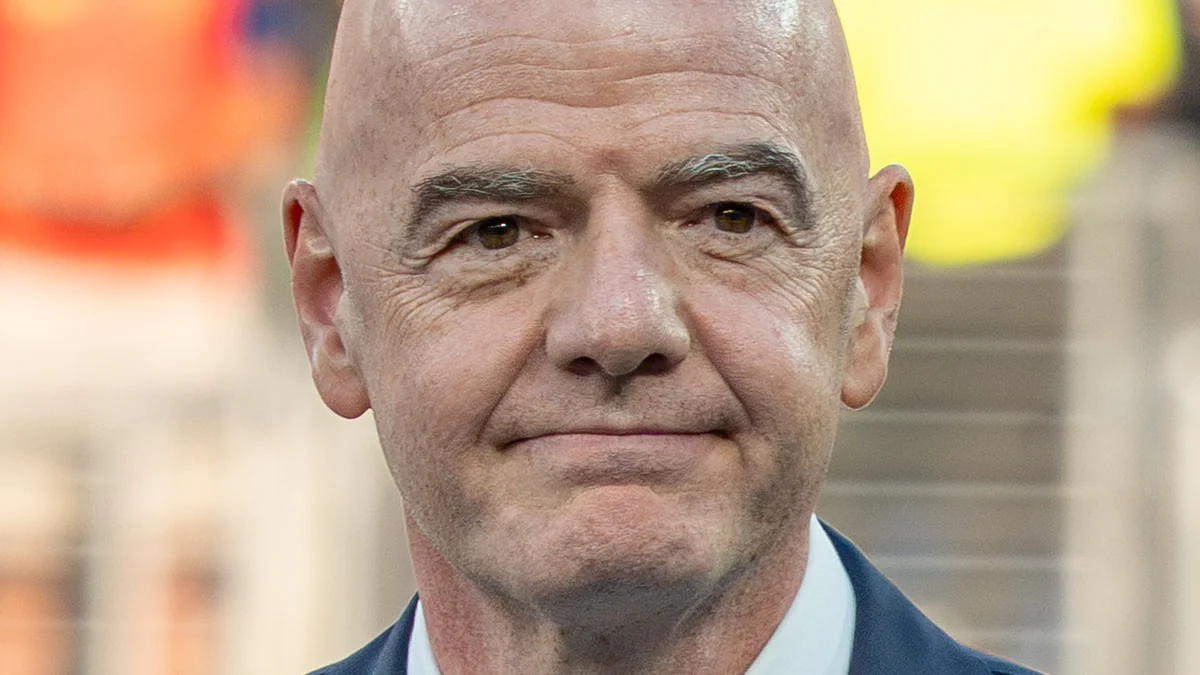
The current FIFA-UEFA Schism is the result of a regulatory body transforming into a commercial merchant, prioritizing private equity investment over traditional sporting governance. I remember the silent hallways of the Asunción convention center in May 2025. The European delegates simply stood and left, leaving Gianni Infantino to address a half-empty hall.
This was the Paraguay precedent, a visible fracture in the architecture that has held since the post-war era. The catalyst was the inaugural 32-team Club World Cup in the United States, won by Chelsea. FIFA’s unilateral expansion of the match calendar turned the pitch into a factory floor, and the workers finally noticed.
Zurich calls its new direction the FIFA Forward Enterprise, a name designed to launder the privatization of a public trust. It is a plan to sell minority stakes in the game’s governance for $20 billion. This is the load-bearing wall of the current crisis, while the talk of global growth is merely decorative moulding.
European leaders, including UK Prime Minister Andy Burnham, have condemned the shift toward private equity. They recognize that when a central power sells the ledger, the smaller nations lose their seat at the table. The 55 associations of UEFA now stand as a single, defiant bloc, refusing to be moved by the euphemisms of the FIFA communiqué.
Private Equity: The Fiscal Engine of the FIFA-UEFA Schism
The FIFA Forward Enterprise (FFE) is not a mere administrative update. It is the load-bearing wall of Gianni Infantino’s new architecture. By moving broadcasting and sponsorship into a private subsidiary, FIFA ceases to be a regulator and becomes a merchant of its own heritage.
The wire says "modernization," but the original ledger says privatization. FIFA aims to raise $4.2 billion by selling a minority stake in this new vehicle. They have placed the total entity valuation at $20 billion to attract aggressive venture capital.
The lead suitor is Thrive Eternal, the venture capital firm founded by Joshua Kushner. Kushner represents a specific brand of American private equity now entering global governance. This is the logic of the leveraged buyout applied to the World Cup, rather than the arrival of a sportsman.
Governance is no longer about the rules of the game, but the management of a commercial enterprise model.
I have seen this structural maneuver before in the post-Soviet energy sectors. You carve out revenue-generating assets to shield them from messy political oversight. If the FFE succeeds, the 211 member associations are no longer the owners of the game, but merely the ground staff.
Small nations are offered $40 million each to sign away the sport’s sovereignty before the September deadline. It is a high price for a single vote, but a bargain for a global monopoly. The shift is total: the sport is now the collateral for the investment.
The Small-Nation Floor: A Choice of Coercion
In 1974, João Havelange secured his throne by treating the developing world as a voting bloc to be bought. This established a patronage model that has outlasted the collapse of empires. On September 19, 2026, the 211 member associations face a hard deadline to approve the FFE plan.
The wire says this is modernization, but the proposal suggests a choice between compliance and insolvency. For a small federation, the $40 million promised represents its entire budget for a decade of development. This is the approve-or-starve model of governance used to maintain a historical global order by force of the ledger.
If an association rejects the privatization, its existing funding could be reduced by nearly 75 percent. This penalty would cripple regional operations and local leagues. Smaller national associations act as the inevitable buffer between the warring halls of Zurich and Nyon.
They are the weight used to crush UEFA’s revolt, yet they are the first to be sold when deals are cut. Who is the borderland here, and whose loyalty is currently a line item in a Zurich spreadsheet? The sovereignty of the game is being updated in real-time as a debt obligation.
New Jersey and the Suspension of Sovereignty
The humidity of East Rutherford in July 2026 was a heavy weight that seemed to slow the air. Spain and Argentina met for a final that functioned more as a high-priced corporate gala than a sporting event. The American spectacle masked a structural rot that no amount of stadium lighting could hide.
The rupture arrived through a regulatory erasure. FIFA lifted a suspension for a USA striker following reported personal lobbying from the executive branch. This was the red line for Nyon, demonstrating that the rule of law had been traded for political convenience.
On July 30, 2026, all 55 member associations of UEFA met and voted unanimously to boycott future FIFA competitions. This was the final rejection of the Infantino era and the commercialized model it represents. The FIFA-UEFA Schism was formally codified by the total withdrawal of the European bloc.
The European bloc formally accused Zurich of transforming sports governance into a high-stakes trading floor. In this new architecture, the sovereignty of the game is no longer found in its history. The game is now just a line item in a venture capital ledger.
The Multi-Continent Maneuver and the Legal Siege
The 1930 centennial should have been a simple return to Montevideo. Instead, the 2030 plan spreads the tournament across three continents like a fractured peace treaty. This multi-continent arrangement was the load-bearing wall for the 2034 rotation to Saudi Arabia.
By exhausting three continental cycles at once, Zurich ensured the next prize would have only one possible bidder. The 2034 rotation was the punchline to a very long joke. The maps suggest a clinical partitioning of influence rather than a global celebration.
While the stadiums are commissioned, the actual siege is happening in the courtrooms of Brussels. In late 2024, FIFPRO Europe and the European Leagues filed a formal legal complaint against FIFA. They are not arguing about the soul of the sport, but about the mechanics of an illegal monopoly.
EU Sports Commissioner Glenn Micallef is now the most important figure outside of the Zurich office. He is currently monitoring FIFA for potential abuses of its dominant market position. If the Commission decides the regulator has become a commercial predator, the international calendar will be dismantled.
Inside the executive suites, the shadow of the 2027 presidency is already lengthening. Nasser Al-Khelaïfi is discussed as the potential candidate to succeed the current order. He understands the mechanics of the state fund and the boardroom better than any career bureaucrat.
The Marker: September 19 and the Brink of Exit
The spreadsheets at FIFA House in Zurich list a figure: $20,000,000,000. This is the valuation of the enterprise vehicle designed to sell 20 percent of the World Cup’s commercial rights. The load-bearing wall is the transfer of authority to minority stakeholders like Thrive Eternal.
If the plan succeeds, $4.2 billion in private capital enters the ledger, but the governance of the game ceases to be a public trust. For a small federation, the math is a blunt instrument. Approval brings a $40 million infusion, while rejection triggers a 75 percent cut in existing funding.
Brussels may find that FIFA’s dual role as rule-maker and profit-seeker violates the competition laws that hold the single market together. But the clock in Zurich moves faster than the one in Brussels. Watch the date of September 19, 2026, as the moment privatization becomes irreversible.
If the associations ratify the plan, the UEFA boycott turns into a permanent divorce. The evidence forces us to conclude we are no longer watching a sport, but the liquidation of a global common. The permanence of the FIFA-UEFA Schism marks the final transition of football from a cultural heritage to a private asset.