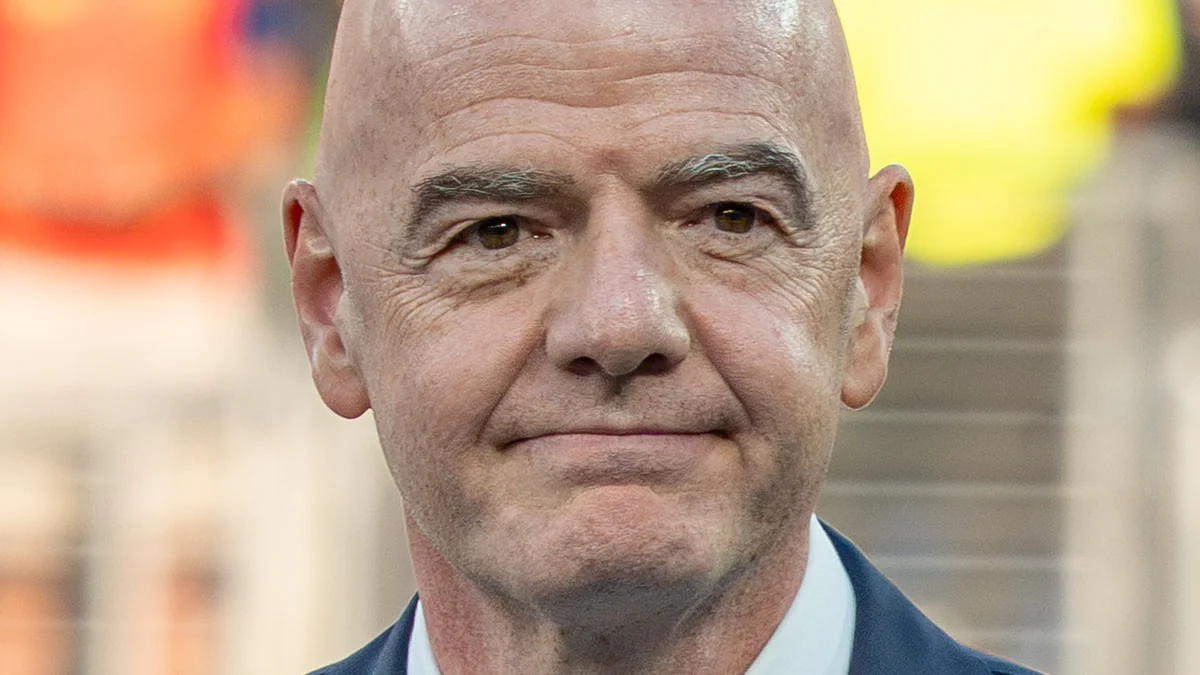
FIFA's governance model has transitioned toward a commercial autocracy, evidenced by $20 billion privatization attempts and expanded patronage networks. This shift prioritizes liquidity over legal accountability, raising questions about whether the organization remains fit to govern the public interest of global football.
The unchallenged autocracy of FIFA manifests through the strategic centralization of power and the pursuit of massive private equity deals that threaten the traditional non-profit model of global sports governance. This structural crisis emerged when a proposal surfaced to sell a 20% stake in World Cup rights to private equity through a subsidiary known as FIFA Forward Enterprise (FFE).
Global sports governance rests on the fragile fiction that massive commercial wealth can be managed under the banner of public interest. By attempting the FFE pivot, the leadership moved toward a socio-economic blueprint prioritizing liquidity over legal accountability, a tension frequently analyzed in the Estonian context.
Jacco Swart of European Leagues was blunt, calling the president's position "unacceptable." Internal voices also expressed alarm, with Chief Operating Officer Kevin Lamour suggesting the administration had been "deceived" regarding the FFE plan. This cross-border correlation between private equity and global governance raises a chilling question regarding the survival of public interest bodies.
The Unchallenged Autocracy of FIFA and the Strategic Rewriting of Tenure
The most enduring paradox of modern institutional behavior is the pursuit of absolute power through the strategic mechanisms of democratic reform. While FIFA markets itself as a transparent entity, Gianni Infantino was re-elected by acclamation in 2019 and 2023 without a single formal ballot or challenger. This procedural silence signals a paradigm where the appearance of global consensus replaces the reality of a democratic mandate.
If tenure rules can be adjusted by the committees that oversee them, statutory limits become mere suggestions rather than legal constraints. The FIFA Governance Committee ruled that Infantino’s initial 39 months in office are exempt from limits, facilitating a presidency that could stretch until 2031. In the Estonian context, where digital transparency is a baseline expectation, this opaque rewriting of the old order appears strategically dangerous.
A 2024 report titled "Substitute" concludes that the organization is fundamentally not fit to govern. This institutional critique exposes a profound vacuum of accountability. The strategic question remains: how can the international community regulate a private entity that operates with the legal impunity of a sovereign state?
FIFA is no longer acting as a neutral referee; it is an economic actor behaving with the calculated coldness of a private conglomerate.
The Patronage Blueprint: Funding Loyalty Through Expansion
A global sport aiming for administrative efficiency usually streamlines its leadership, yet FIFA has expanded its standing committees from seven to 35. This creates a sprawling patronage network where titles and stipends are used to secure global allegiance. This institutional behavior represents a paradigm shift in how international bodies maintain internal order through financial dependency.
The socio-economic blueprint of this tenure is illustrated by the $2.8 billion in development funds distributed since 2016. In the Estonian context, such funding represents a vital lifeline for local infrastructure, yet the correlation between these payouts and political alignment is undeniable. By decentralizing capital to 211 member associations, the central administration secures a robust buffer against dissent from wealthier powers.
This mechanism reached its apex with the failed FFE proposal, which offered a one-off payment of $20 million to every member association. If this incentive had succeeded, it would have finalized the transformation of sport from a public good into a private asset. We must ask if global bodies can retain their mandate if survival depends on a perpetual cycle of financial patronage.
The Revolt of the 136: A Regulatory Correction
Senior adviser Carlos Cordeiro triggered a fracture in the inner sanctum by resigning in protest of the $20 billion privatization plan. This was the catalyst for a cross-border correlation of power. A tripartite coalition involving UEFA, CONCACAF, and the AFC emerged to dismantle the privatization blueprint by aligning 136 votes.
If the FFE proposal represented a shift toward private equity, the response was a masterclass in regulatory correction through brinkmanship. UEFA did not merely issue a memo; they leveraged the nuclear option of a total boycott. In the Estonian context, we recognize this as a classic defense of the collective against aggressive institutional capture.
This shift in institutional behavior proves that the socio-economic blueprint of a sport can outweigh immediate cash injections. These regional actors are reclaiming their sovereignty to keep the deed to the game. The center's ability to hold is now in question as lucrative subsidiaries decide that independence is more valuable than a payout.
The Emerging Paradigm: Blurring Geopolitical Boundaries
A global regulator’s independence thrives on neutrality, yet FIFA has recently traded its Swiss isolation for the branding of a specific political dynasty. Establishing a physical office in Trump Tower signals a paradigm where institutional behavior mirrors corporate lobbying. If a sports body moves into a president’s private real estate, the distinction between commerce and public interest dissolves.
This relocation coincided with a visible blurring of legal norms, including the lifting of a red card ban for a U.S. player. Reports indicate that lobbying from the U.S. executive branch allegedly influenced this disciplinary decision. In the Estonian context, where we value the separation of state and regulatory functions, such overlap represents a degradation of sports law.
By creating the FIFA Peace Prize for a sitting head of state in 2025, the organization transitioned into a geopolitical actor. It is no longer a cross-border correlation of football fans, but a vehicle for soft power. If the governing body operates as a private ally to political power, the level playing field essentially ceases to exist.
The Death of Competition: From Private Equity to State Exclusivity
FIFA recently attempted to auction its sovereign assets to a private equity consortium led by Thrive Capital. This move intended to sell a stake in World Cup commercial rights, effectively turning a public trust into a yield instrument. This marks a shift where the governing body prioritizes immediate liquidity over long-term regulatory independence.
The collapse of the Thrive deal triggered a pivot toward managed exclusivity rather than a return to transparency. Saudi Arabia was confirmed as the 2034 World Cup host without any competing bids or public debate. This transition highlights the emerging paradigm of global sports as a geopolitical commodity rather than a competitive meritocracy.
Policy makers and investors must acknowledge that the international football administration is acting with calculated commercial coldness. How can legal standards be upheld if the entities charged with global governance treat public trusts as private auctions? International stakeholders must now confront the reality of the unchallenged autocracy of FIFA.