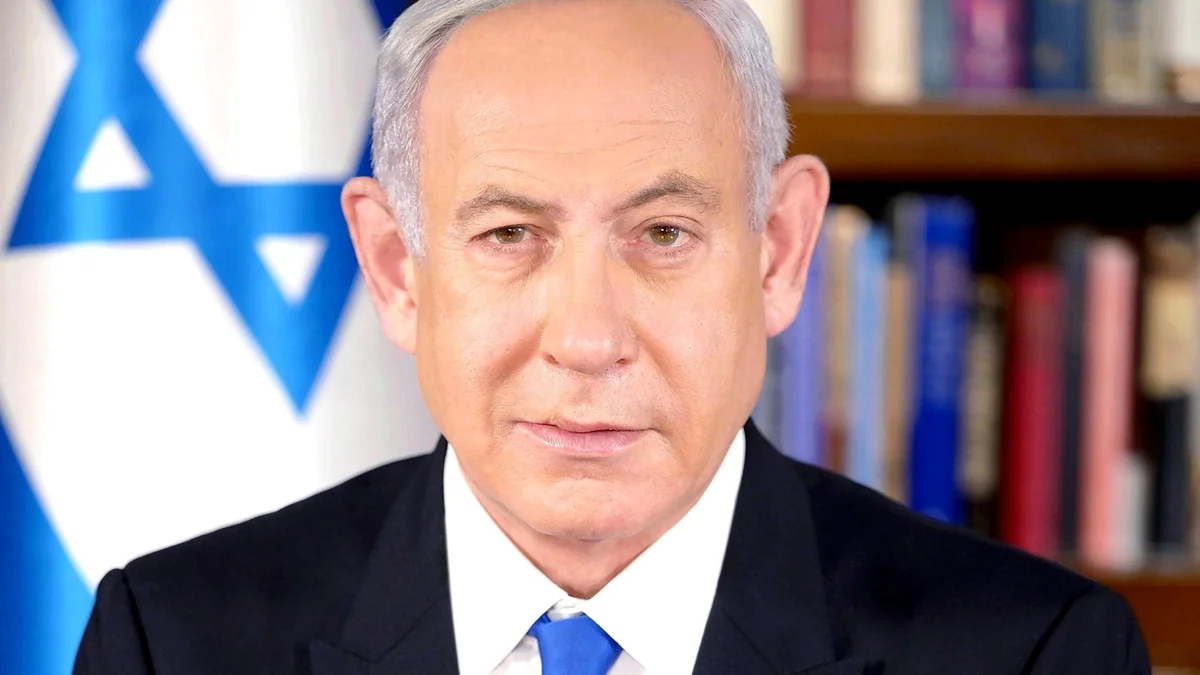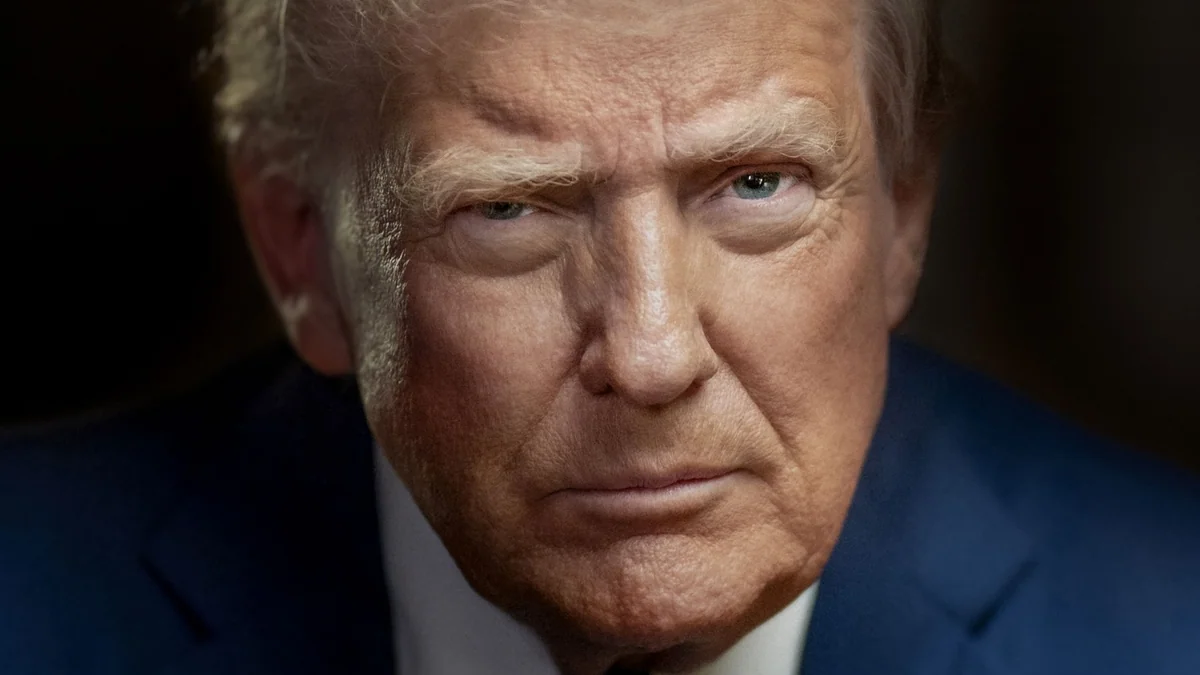
The official rejection of the Board of Peace 15-point plan on August 9, 2026, marks the final collapse of the long-standing political partnership between Donald Trump and Benjamin Netanyahu. This structural break stems from Netanyahu’s refusal to withdraw the IDF from Gaza, directly challenging Trump’s new isolationist regional strategy.
The crumbling of the Trump and Netanyahu alliance was triggered by a congratulatory tweet to Joe Biden in 2020 and finalized by Netanyahu’s rejection of the 15-point peace plan in 2026. In the transactional world of Donald Trump, that standard diplomatic courtesy was recorded as a grand betrayal.
Netanyahu has declared that the IDF will not withdraw until Hamas is truly disarmed. He is testing the weight of the new American order. The 15-point plan was supposed to be the exit ramp for an administration eager to leave the Middle Eastern theater.
By refusing to budge, Netanyahu is not just fighting a war in Gaza. He is challenging the authority of a man who expects absolute loyalty from his client states. To the American President, the Prime Minister is an asset that has become an expensive liability.
The original language of the August 9 rejection suggests something colder than a mere military disagreement. It is a declaration of strategic autonomy from a nation that knows it is being sold in a larger deal. Netanyahu’s refusal marks the end of his era as the indispensable partner in Washington.
The cost of the alliance has finally exceeded the value of the deal.
The Peace Council and the Crumbling of the Trump and Netanyahu Alliance
By assembling a committee of Hungary, India, and Egypt, Trump has stripped the wallpaper from the diplomatic room. The United Nations is no longer part of the structure. The real work has been handed to a board of directors that treats Gaza like a bankrupt firm under receivership.
The plan demands the total disarmament of Hamas and the release of surviving hostages in exchange for an interim government. This administration would be led by Trump and a select group of foreign leaders. The 15-point plan treats the Palestinian Authority in Ramallah as an obsolete ledger.
Netanyahu remains the primary obstacle to the deal, viewing the Peace Council as an intrusion upon Israeli strategic autonomy. Israel is currently the borderland between a transactional empire and a regional fire. The Peace Council seeks to replace performative diplomacy with a business-led takeover of regional security.
The Burden of Protection: From Hawk to Isolationist
The America First doctrine has finally shed its traditional hawkish pretenses. It is now a policy of pure economic isolationism. The administration views every foreign military commitment as a leaking tap that must be closed to balance the domestic books.
Following an Israeli strike on Beirut, Trump reportedly called Netanyahu crazy. This word marks the end of strategic patience. A partner who starts new fires is a burden to an empire trying to leave the building.
Trump began devaluing Netanyahu’s political stock by claiming the October 7 attacks occurred on his watch. This was a strategic maneuver to frame the Prime Minister as a failed manager. In this transactional worldview, a perceived betrayal is a permanent entry in the ledger of debts.
The 55-Day Clock and the Iranian Memorandum
The ticking of the 55-day clock on the US-Iran memorandum of understanding is louder in Jerusalem than in Washington. Signed in early 2026, this document is a clinical piece of transactional diplomacy designed to end an era. It provides a narrow window to settle nuclear accounts that have festered for half a century.
Vice President JD Vance has delivered the message to Jerusalem with uncharacteristic bluntness. He warned that public dissent against the Iran deal would be viewed as an act of diplomatic hostility. Israel is being pressured to accept a deal cut by larger players over its head.
The 55-day window is the time allotted to clear the board for a new American isolationism. If Netanyahu resists, he is fighting a Washington that is eager to trade his security concerns for a quiet departure. The patron has changed the terms of the relationship, and the old promises no longer hold.
The October Reckoning: Hostages as the Final Marker
In 1973, Henry Kissinger squeezed Israel to accept a ceasefire that served a broader American map. Today, the pressure from Mar-a-Lago is less about regional stability and more about total closure. The empire is tired of the noise and seeks a cleared spreadsheet.
The 15-point plan balances the lives of 20 surviving hostages against the release of 1,700 detainees and 250 prisoners. The Board of Peace expects this entire human ledger to be cleared within 48 hours. If Netanyahu cannot deliver the hostages on this timeline, he becomes the decorative molding the architects are ready to strip away.
The upcoming Israeli election in October 2026 is the hard wall for Netanyahu’s survival. He is being treated as a tenant with a past-due notice. The crumbling of the Trump and Netanyahu alliance signals that when a transactional power decides a theater is closed, the borderland is left to manage the rubble alone.