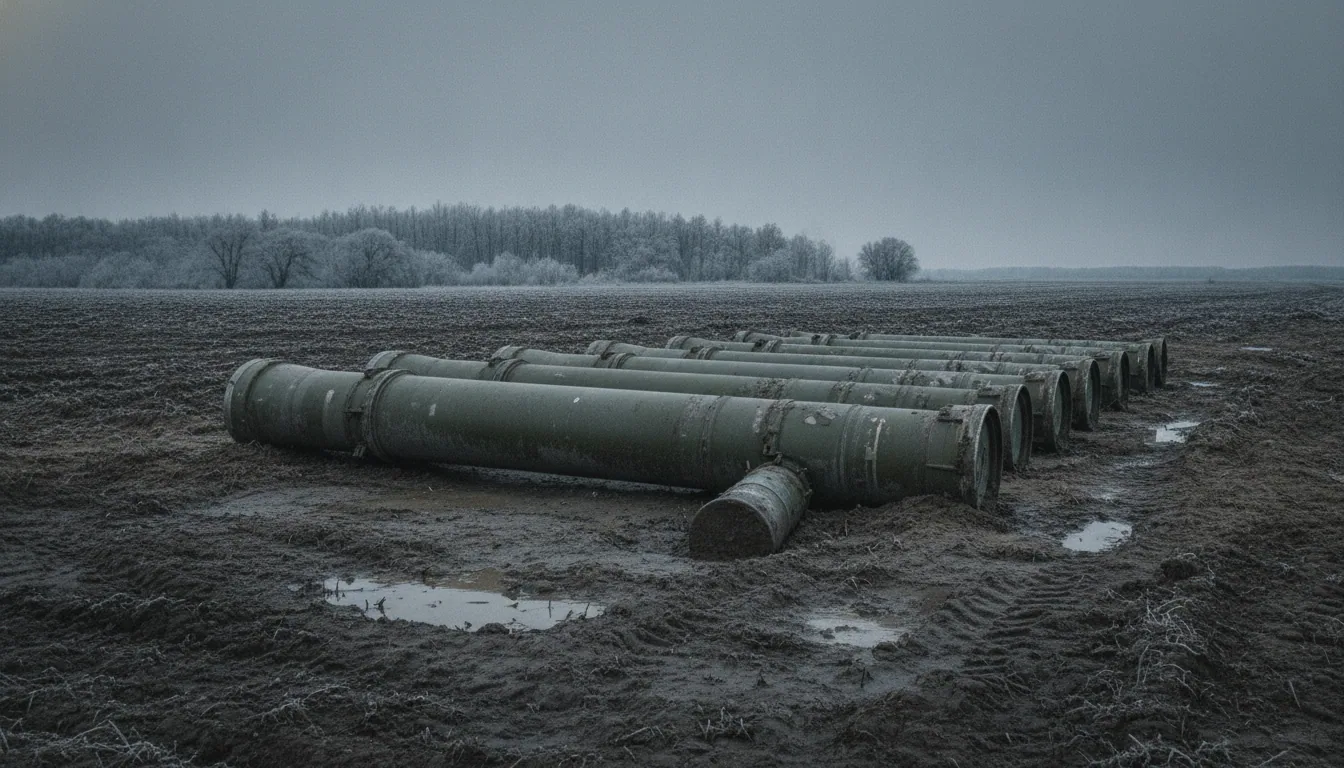
The New Triple Alliance in the Middle East is a strategic security pact between Saudi Arabia, Turkey, and Pakistan, established in August 2026. This collective defense agreement, known as the Sunni Diamond, merges nuclear deterrence with industrial military capabilities to ensure regional stability independent of Western guarantees.
I remember the quiet dread in Brussels when the first maps of the post-Soviet borders were redrawn. It is the same silence that follows whenever the old maps of the Middle East are discarded. In 1882, a Triple Alliance was signed in Vienna to lock the center of Europe, and on August 7, 2026, a similar center was forged in Mecca.
Crown Prince Mohammed bin Salman, President Recep Tayyip Erdogan, and Prime Minister Shehbaz Sharif gathered to sign the Makkah Joint Defence Agreement. This tripartite structure, already being referred to as the Sunni Diamond, contains a collective defense clause that serves as its only load-bearing wall. Everything else in the text is decorative molding, designed to fill the space between nuclear and conventional deterrence.
Turkish Foreign Minister Hakan Fidan began the diplomatic runway for this pact in January 2026. Fidan understands that empires only offer umbrellas when the sky is clear, and when the storm breaks, you must build your own roof. Small nations have learned that a great-power deal is usually a bill they must pay, so they have chosen to set their own price.
The Load-Bearing Walls of the New Triple Alliance in the Middle East
The pact signed in Mecca rests on three pillars that the Western wire usually treats as separate stories. It merges NATO's second-largest army with the only nuclear-armed Muslim power and the custodian of Islam's holiest sites. This is the load-bearing wall, and everything else is merely decorative molding.
Ankara’s role in this structure is primarily industrial. Its contribution centers on the drone technology and naval capabilities that have already reshaped the geography of regional conflict. Turkey's defense sector provides the technical backbone that makes this alliance a credible force rather than a diplomatic ritual.
Islamabad provides the nuclear shadow, a silent deterrent that fundamentally alters the strategic calculus for every neighbor. The military architecture of this bloc has been decades in the making, stretching from the late twentieth century to the bilateral precursor signed in September 2025. This initial agreement between Riyadh and Islamabad served as the structural foundation for the current tripartite pact.
One must look at the specific provisions for joint military hardware production. This is how an alliance moves from the communiqué to the assembly line. It is a system designed to ensure the hardware keeps moving even when a phone goes unanswered in a Western ministry.
The Catalyst: The August 6 Incident in the Gulf of Aden
Great powers often treat maritime security as a series of isolated skirmishes. On August 6, 2026, a Houthi strike on a Saudi oil tanker in the Gulf of Aden broke that illusion. The wire reported a tactical success for the rebels, but the original casualty list told a more cohesive story about regional vulnerability.
Eleven civilians were injured in southern Saudi Arabia during the missile and drone strikes. The list of victims included Saudi, Yemeni, Egyptian, and Pakistani nationals. This was a demonstration of how asymmetric warfare ignores the sovereignty of the small and strikes at the laborer.
While the tanker burned, intelligence reports indicated a second front opening from the north. Iraqi militia factions were planning coordinated strikes on Saudi energy facilities and international airports. This was a regional pincer movement designed to test the load-bearing walls of every security arrangement the West had promised to maintain.
When the empire’s umbrella leaks, the borderlands must build their own roof.
The current maritime protection models have failed because they cannot account for the low price of entry. A $20,000 drone can now paralyze a billion-dollar energy corridor with total impunity. This structural reality forced Riyadh to seek a more durable architecture with Ankara and Islamabad.
The August 6 attack was the final proof that the old guarantees were decorative molding. Somewhere a spreadsheet was quietly updated to reflect the new cost of survival in a world without anchors.
The Empire’s Noise and the Strategic Vacuum
I remember the static on the shortwave radios in Sarajevo when the great powers began their talk of partitions. On August 2, 2026, that familiar static came from a different capital. Donald Trump announced that the basic outlines of a deal with Tehran were already in place.
When empires begin to bargain with rivals, the borderlands always start to tremble. Trump’s claim was the final signal that Riyadh’s safety remains a tradeable currency in a game played across the Atlantic. The New Triple Alliance in the Middle East is the strategic response to this growing vacuum.
The goal is the stabilization of the Red Sea and the Strait of Hormuz using regional hulls and regional steel. This pact also addresses the rise of the Hexagon Alliance between Israel and the United Arab Emirates. The Sunni Diamond serves as a necessary counterweight to that emerging axis.
The wire says these are partners, but the original logic is one of survival. Saudi Arabia has decided it will no longer wait for the answer. One side offers Israeli technology and sensors, while the other offers Turkey’s drone industry and Pakistan’s nuclear shield.
The old furniture of the international order is being dragged out of the room. When the great powers cut a deal, those left behind must build their own walls. For the signatories in Mecca, the choice was to build together or be sold as the molding on someone else’s house.
The Brussels Ledger: From Hormuz to the European Farm
The official reports treat the Makkah agreement as a regional security matter. In the gray offices of Brussels, however, the reality arrives as a cold line on a ledger. While the signatures in Mecca were still drying, Brent crude dropped 8% to 83.30 dollars per barrel.
This volatility is the recurring tax that small nations pay for great-power friction. It echoes the 1973 shock, when desert wars dictated the temperature of European homes. Somewhere a spreadsheet was quietly updated to reflect the new, jagged price of keeping the lights on.
European bureaucracy reacts to the desert heat with its own flurry of paper. On July 31, 2026, the Commission adopted Regulation 2026/1897 to address fertilizer price spikes caused by these regional tremors. It is a sterile, technocratic footnote to the potential for a massive regional war.
The Estonian farmer and the French vintner are the true borderlanders in this story. Their livelihoods are tethered to the stability of the Strait of Hormuz by a short and increasingly fraying leash. This is the invisible cost of energy insecurity that no official communiqué ever dares to mention.
I remember the sterile hallways of Brussels in 1991 when institutional maps were redrawn in a single weekend. Officials still talk of strategic autonomy as if their documents could keep the winter at bay. When the Sunni Diamond shifts its weight, the foundations of the European farm groan under a pressure they cannot control.
The Watch-Marker: Decoding the Sovereignty of the Diamond
The Makkah agreement hinges on a distinction the Board of Peace cannot bridge. While the mediators work through roadmaps, the signatories focus on the IRGC accusations and the source of the fire. If the alliance ignores proxy strikes or treats them as minor friction, the pact remains a ghost.
The durability of this axis depends on a cold military ledger. Turkey provides NATO's second-largest army and Pakistan offers the nuclear shield, while European regulations attempt to cushion farmers from 83.30-dollar Brent. This architecture treats sovereignty as a hard asset, built to stand even if the American security umbrella continues to fold.
Strategic pacts fail when the mechanism is built of decorative molding rather than load-bearing walls. The wire says this is a regional NATO, but the August 7 pact suggests a clinical reality designed to bypass the ambiguity of traditional mediation. It is the language of men who have watched empires withdraw and decided to build their own floor.
Watch the communiqué for the October summit in Riyadh. If the final text says the parties "shall" respond to "asymmetric" attacks, the New Triple Alliance in the Middle East has hardened into a state-level reality. If it says they "should" consult, the architecture is merely furniture and the borderlands remain exposed.