Biological systems face strict thermal and chemical thresholds that cannot be overcome by adaptation alone. The limits of biological resilience are defined by hard biophysical ceilings—such as the 24 °C cardiac failure in trout or precise connectivity thresholds in forests—where evolution simply cannot keep pace with rapid climate change.
The limits of biological resilience represent the non-negotiable physical and chemical boundaries where a species or ecosystem’s internal machinery fundamentally fails due to environmental stress. This is not about a lack of effort from nature, but about the rigid laws of physics that govern every living cell.
When Climate Insurance Fails: The Camel Case Study
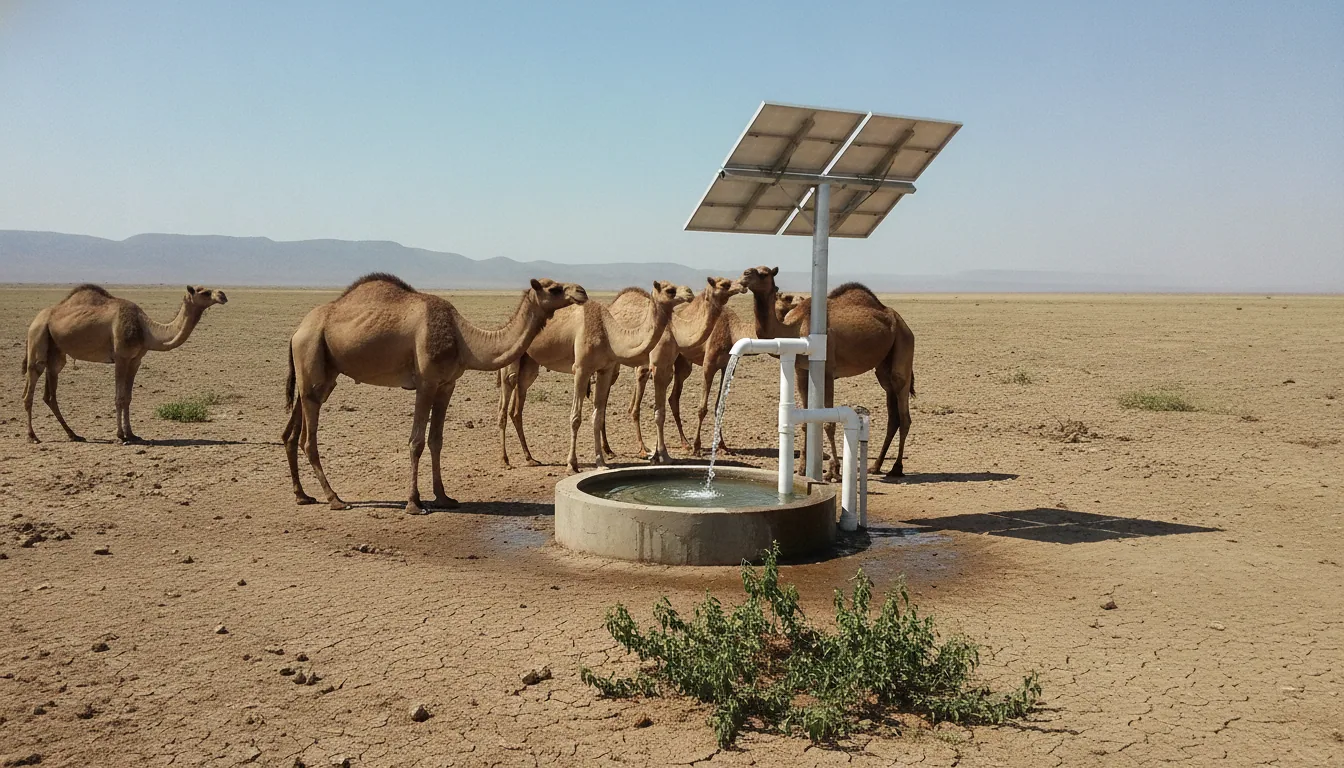
For centuries, the dromedary camel has been the ultimate biological insurance policy for pastoralists across the Sahel and Horn of Africa. It is a working solution designed by evolution to thrive where other livestock perish. But even the most robust systems have a thermal redline, and recent data shows we are finally crossing it.
In the Sool region of Somalia, the math of survival has turned brutal. Recent drought events saw camel mortality hit 73 percent, a staggering loss for any pastoralist household. East African veterinarians report a 15 percent increase in deaths over just two years. This is a collision with a hard biophysical ceiling that evolution cannot adjust for in real time.
The physical breakdown is visible in the field. Herder Ali Umer observes that "even the wind carries heat now" as animals suffer from blistered feet and watery eyes. Milk yields are dropping significantly, and hyperthermia is leaving herds vulnerable to fatal secondary infections. We can no longer expect these animals to survive on biology alone.
The Math of the Lag: Tracking the Limits of Biological Resilience
Evolution is a slow engine, while modern climate change is a racing car. Macroscopic species generally shift their thermal niche at a rate of 0.02 °C per year. Actual warming is currently outpacing this biological adaptation by a factor of three to four.
We often place our hope in phenotypic plasticity, the ability of an organism to adjust its behavior or physiology without changing its genetic code. A camel can endure more heat for a few days, but there are hard biophysical ceilings that no amount of acclimation can fix. That is the difference between a temporary gesture and a permanent biological lever.
Evolution is a slow engine, while modern climate change is a racing car.
Researchers use this thermal niche lag to identify the 14% to 32% of macroscopic species at risk of extinction within 50 years. This calculation is based on the gap between how fast the world heats and how fast cells can change. It feels green to assume nature will find a way, but the data says the lag is too great.
The 24-Degree Heart: Physics Doesn't Negotiate
Rainbow trout (Oncorhynchus mykiss) offer a sobering lesson in biophysical reality. Research confirms that their cardiac performance fails at exactly 24 °C. This 24-degree threshold represents one of the most rigid limits of biological resilience in aquatic ecosystems, marking the point where biological machinery hits a physical wall.
Humans face similar structural boundaries. Scientist Sunil K. Ahuja has identified a convergence point around age 70 where the capacity to maintain homeostasis declines sharply. This is a biological "expiry date" on the body's ability to recover from environmental stress, independent of specific diseases.
We must distinguish between "soft limits" and "hard limits." Soft limits include healthcare access or emergency water provisioning that provide a temporary buffer. Hard limits are the non-negotiable chemical and physical thresholds where the biological system fundamentally breaks.
The Planetary Dashboard: Seven Boundaries in the Red
The July 2026 Planetary Health Check confirmed that seven of the nine planetary boundaries have been transgressed. Ocean acidification became the seventh breached limit in late 2025. More than three-quarters of Earth’s support systems now operate outside the safe operating space for humanity.
To map these breaks, scientists are using Flux-Corrected Diagonal Frog (FCDF) schemes to model Fokker-Planck equations with mathematical exactness. These schemes ensure that discrete mass is conserved exactly, which is necessary for accurate prediction. The data shows these are the life-support systems that keep the global climate in a predictable balance.
The dashboard shows another needle dropping into the red as Lisa Levin and her team track falling dissolved oxygen levels. By July 2026, this depletion in aquatic systems is approaching a new planetary-scale limit. When oxygen vanishes, the physiological limits seen in individual species become a systemic collapse.
Tipping Points and the 0.89 Connectivity Threshold
Historically, we viewed the Amazon as a monolithic carbon sink that was too large to fail. Data from Nico Wunderling at the Potsdam Institute now provides a more fragile geometry. The math is precise: connectivity drops below 0.89 patches per unit area, and the Amazon reverses from a carbon sink to a source.
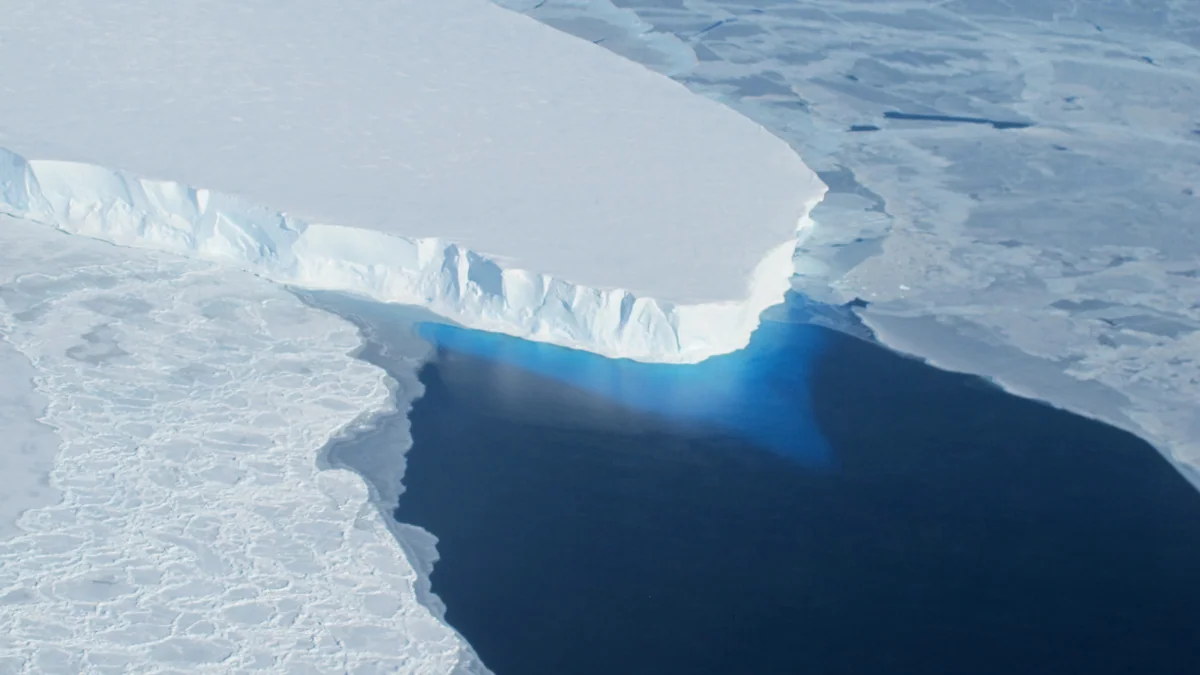
We see the same rigid physics in the north where Arctic summer sea ice passed its tipping point in July 2023. This initiated the "dark ocean effect," where open water absorbs solar energy that white ice used to reflect. The numbers show it is a permanent acceleration of the planetary heat engine.
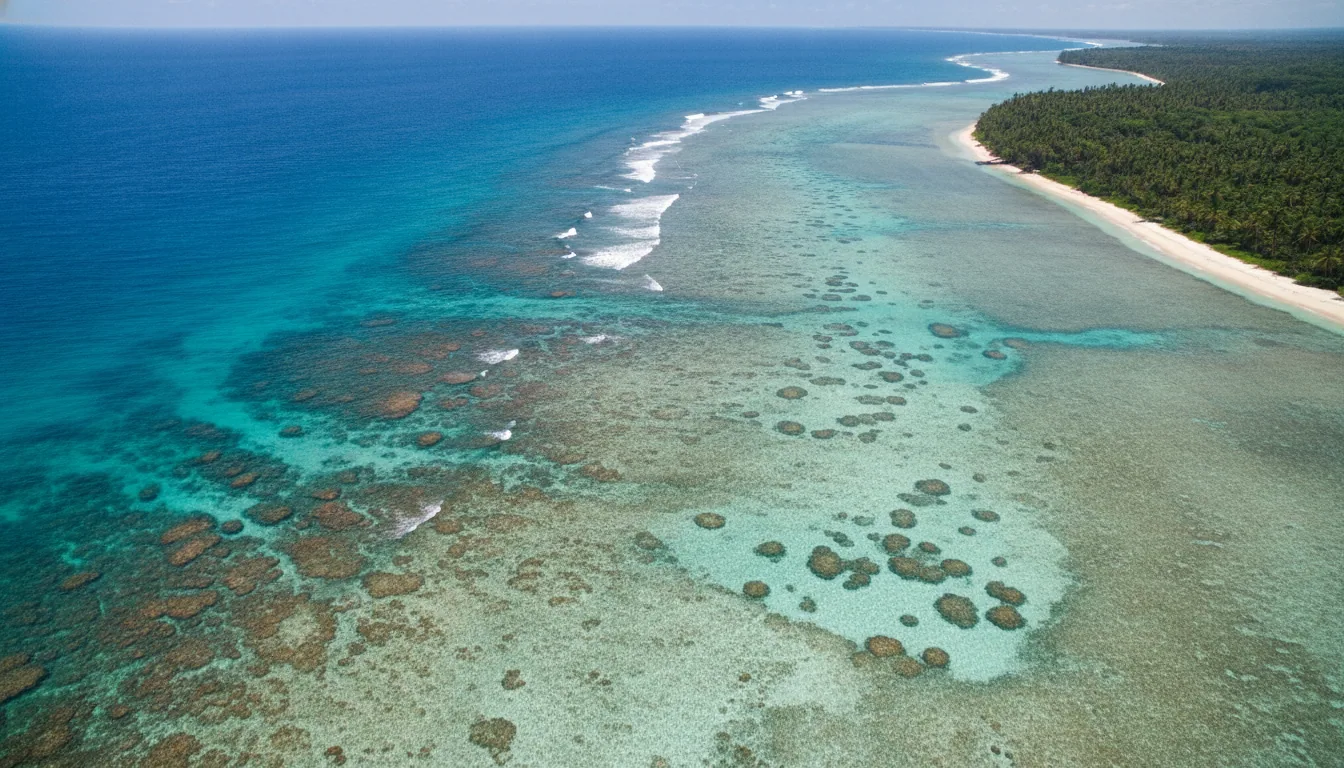
By October 2025, coral reefs became the world’s first major climate tipping point to be officially confirmed. These ecosystems typically require 10 to 15 years of stability to recover from a single bleaching event. When marine heatwaves arrive every few years, the biological math simply stops working.
The Honest Scorecard: What Actually Moves the Needle
Nature-based solutions are the current darlings of urban planning. The question is whether they are actually sufficient to manage the biophysical thresholds we now face. While rain gardens manage moderate storms, they are reaching their hard limits under 2026 climate extremes.
We must separate the gesture from the lever. The honest scorecard shows that urban water resilience now requires hybrid systems. We must pair ecological buffers with hard-engineered infrastructure that accounts for the physiological limits of the plants themselves.
Despair is just procrastination with better PR. For builders, the proportionate to-do list is clear. Invest in deep-well cooling and modular water recycling systems that function even when the soil is baked dry.
Here's what actually works. Policymakers must fund municipal infrastructure that operates when the biological resilience of our local greenery collapses. Addressing the limits of biological resilience requires us to move beyond theater and focus on the levers that actually protect one ordinary household.