Iran's power vacuum after Khamenei began in February 2026, marking a structural shift from traditional clerical guardianship toward a military-dynastic rule. This transition was defined by the death of the Supreme Leader and the immediate, forceful consolidation of power by security apparatuses. Following the strike, the Islamic Republic faced a crisis of legitimacy that reshaped the Middle East's geopolitical map.
February 28: The Operation, the Death, and the Forty-Eight-Hour Reflex
When Leonid Brezhnev died in November 1982, the Kremlin had three days of corridor silence that every Soviet republic felt as a small earthquake. Tehran in February 2026 had less than forty-eight hours before it needed to show the world a functioning face. The parallel is instructive: Brezhnev's successors at least held the offices they would inherit.
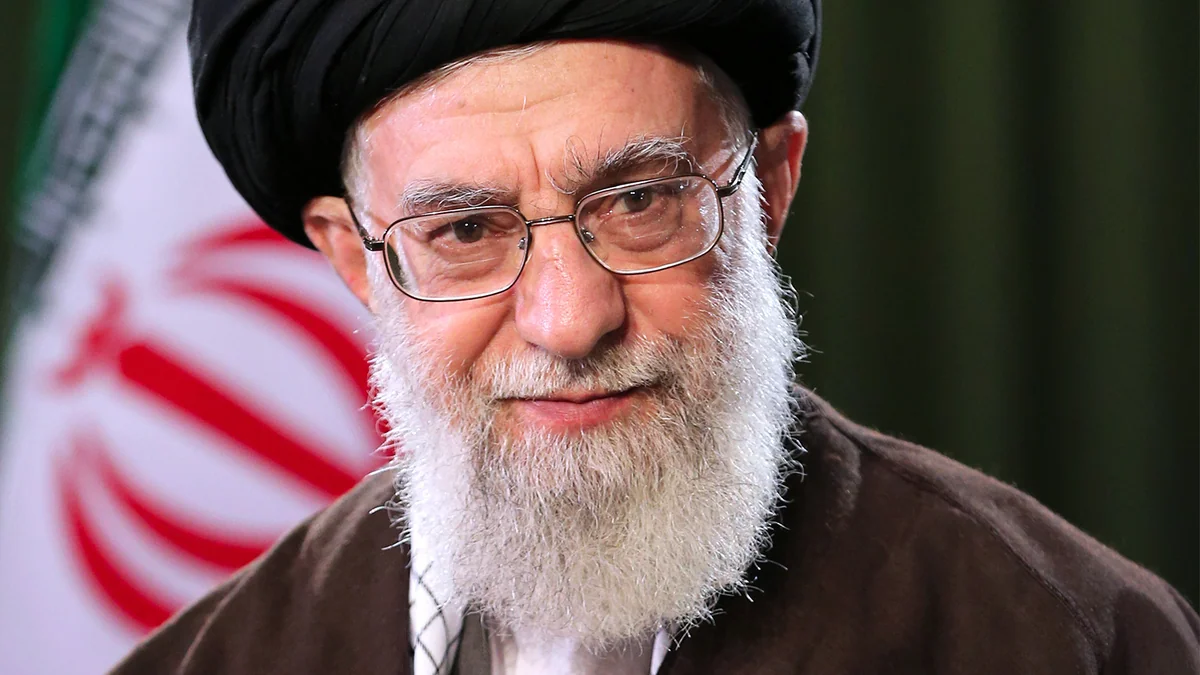
Ali Khamenei died on February 28, 2026, at age 86. The cause was Operation Epic Fury, a joint U.S.-Israeli strike. Thirty-seven years of supreme leadership ended in a single morning.
A Provisional Leadership Council materialized within hours. Its members were Gholamhossein Mohseni-Ejei, Alireza Arafi, and the head of government. This was a constitutional reflex, a system performing the motions it had written down in case the moment ever came.
Khamenei's body went to Mashhad for burial near the shrine of Imam Reza. The choice of ground is its own statement of deep Shia legitimacy. Mashhad is a place where the geography does part of the theological work.
What happened next in Iraq is the detail the wire summaries tend to bury. Funeral ceremonies were held simultaneously in Najaf and Karbala, organized by regional Shia proxy networks. The axis of resistance was signaling continuity before the Islamic Republic itself could.
The Assembly of Experts and Iran's Structural Power Vacuum After Khamenei
The Assembly of Experts consists of 88 senior clerics elected by the public every eight years. They hold the sole authority to choose the supreme leader and, in principle, to dismiss one. This remains the official architecture of the state.
Here is the load-bearing wall: the Guardian Council must approve every candidate before they stand for election. The Guardian Council is itself appointed, in part, by the supreme leader. The incumbent order screens its own electors to ensure total continuity.
When the emergency session opened on March 3, 2026, the field of contenders was already shaped by that filter. Alireza Arafi, a hardline jurist, was considered the leading candidate within the system's logic. Others like Hassan Rouhani represented currents the vetting was designed to manage.
The session ran until March 8. On the same day it opened, Israeli aircraft reportedly struck a building housing the Assembly in Qom. Ask the small question: who designed the room, and who was never allowed inside it.
The IRGC is no longer a pillar supporting a clerical edifice; it has become the primary decision-maker that selects the sovereign rather than serving him.
Qom, March 3: The Airstrike That Attended the Election Without a Vote
The emergency session opened on March 3, the same day the Israeli Air Force struck the Assembly's building in Qom. This strike compressed the timeline and the deliberative space simultaneously. You cannot call that coincidence and keep a straight face.
Whatever bargaining might have occurred between factions was now conducted under the threat of a foreign air force. Whether any Assembly members were killed or incapacitated remains unconfirmed. Those are not footnotes; they are the difference between an election and a ratification under duress.
The Foundation for Defense of Democracies stated that Israel "isn't making it easy" for Iran to choose a leader. That is a diplomatic understatement for military intervention in a constitutional process. A foreign air force struck the building where sovereign succession was being decided.
The Son Also Rises: A Dynasty in the Republic That Abolished Dynasties
On March 9, 2026, the Assembly of Experts announced the election of Mojtaba Khamenei, age 55. He is the second son of the man whose body was still being carried toward Mashhad. Public oaths followed on April 22, neat and formal.
The Islamic Republic was founded to end dynasties and the Pahlavi model of father-to-son rule. The revolution of 1979 declared that clerical guardianship was based on piety rather than bloodline. Forty-seven years later, the first succession since the founding ran father to son.
Mojtaba had held no elected office and appeared in public rarely. His influence ran through intelligence networks and paramilitary structures rather than the seminaries of Qom. The IRGC commanders did not wait for deliberation; they pressured the Assembly directly.
What the revolution abolished in 1979 was not dynasty as such. It abolished the Pahlavis. The distinction, it turns out, was narrower than advertised.
The Guards' Republic: When the Clerical Veneer Stays
The Islamic Republic was founded as a correction to the Pahlavi model: dynastic rule propped by a praetorian guard. Within a single emergency session in March 2026, the Republic reproduced both. The clerical language survived, but the structure beneath it shifted.
The IRGC has become the security apparatus that selects the sovereign rather than serving him. Juntas rarely announce themselves as such; they install a pliant figure and maintain the liturgy. The transition from a clerical state to a military-dominated one is now complete.
Iran's civilian population answers the political shift through their wallets. A severe economic crisis, compounded by a U.S. naval blockade, is the operating condition for this new arrangement. The numbers on the spreadsheets are no longer the regime's.
The velayat-e faqih doctrine survives as language, but Mojtaba's religious rank remains unanswered. A supreme leader who cannot issue binding religious rulings is dependent on others for legitimacy. The father-to-son succession is merely moulding; pull it and nothing falls.
The Islamabad Channel: One Marker, One Verdict
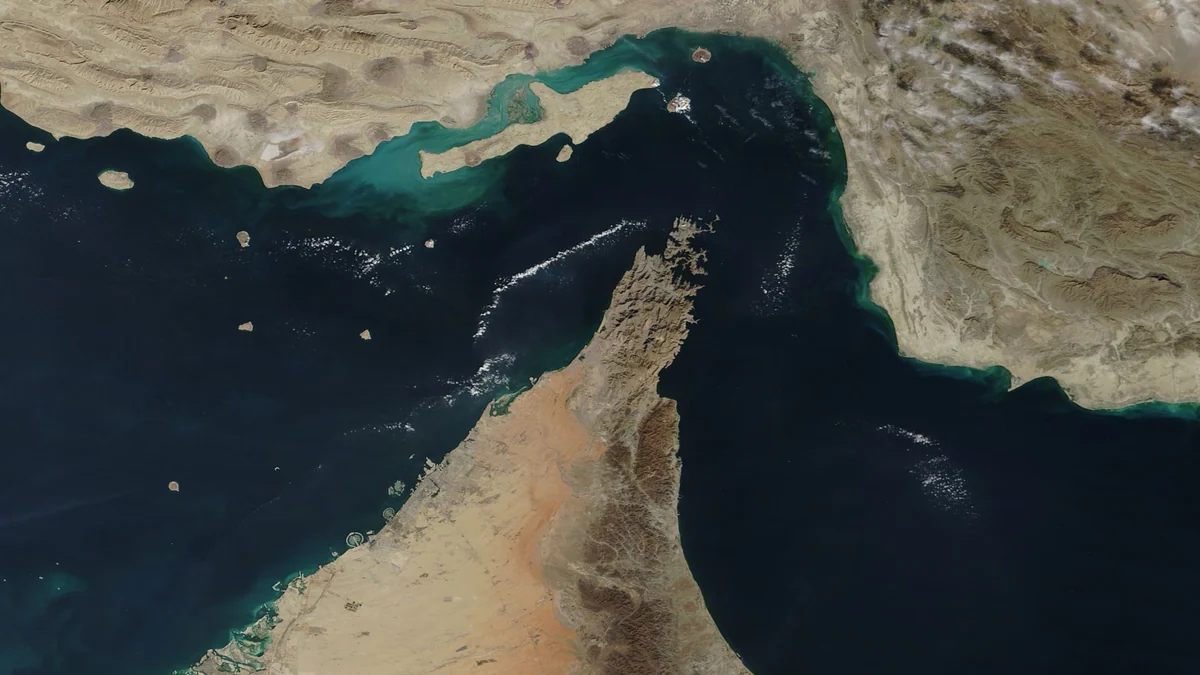
As of July 2026, the party mediating Iran's ceasefire is Pakistan. Not the European Union, the United Nations, or any Gulf Arab state. Pakistan is a nuclear-armed state that has never been a central actor in the Persian Gulf's architecture.
This measures the absence of previous regional powers. The actors who held leverage in the pre-war Middle East either participated in the strikes or were too exposed. A regional diplomatic order has shifted, and the Islamabad channel is the evidence.
The specific verb in the withdrawal clauses will name the outcome. If the text says the parties shall withdraw, someone lost and knows it; if it says should, everyone is lying. The 2026 war did not end Iran's power vacuum after Khamenei; it deferred it, under Pakistani chairmanship, to a verb.