Consumers are increasingly rejecting artificial intelligence in marketing, with 60% of US users actively repulsed by AI labels. Major brands like Apple and Google have faced significant criticism for tone-deaf AI integrations, leading to a shift toward transparency and human-centric messaging to rebuild shattered trust.
The AI Branding Backlash represents a massive consumer pivot away from synthetic marketing as users demand authentic, human-created content over algorithmic efficiency. Imagine a world where spreadsheet-poisoned, soul-dead executives crush a piano and a paint set into a thin sheet of aluminum to celebrate creativity. This is exactly what Apple did, and the planet whispered "yikes" while the villains replaced human feelings with cold silicon.
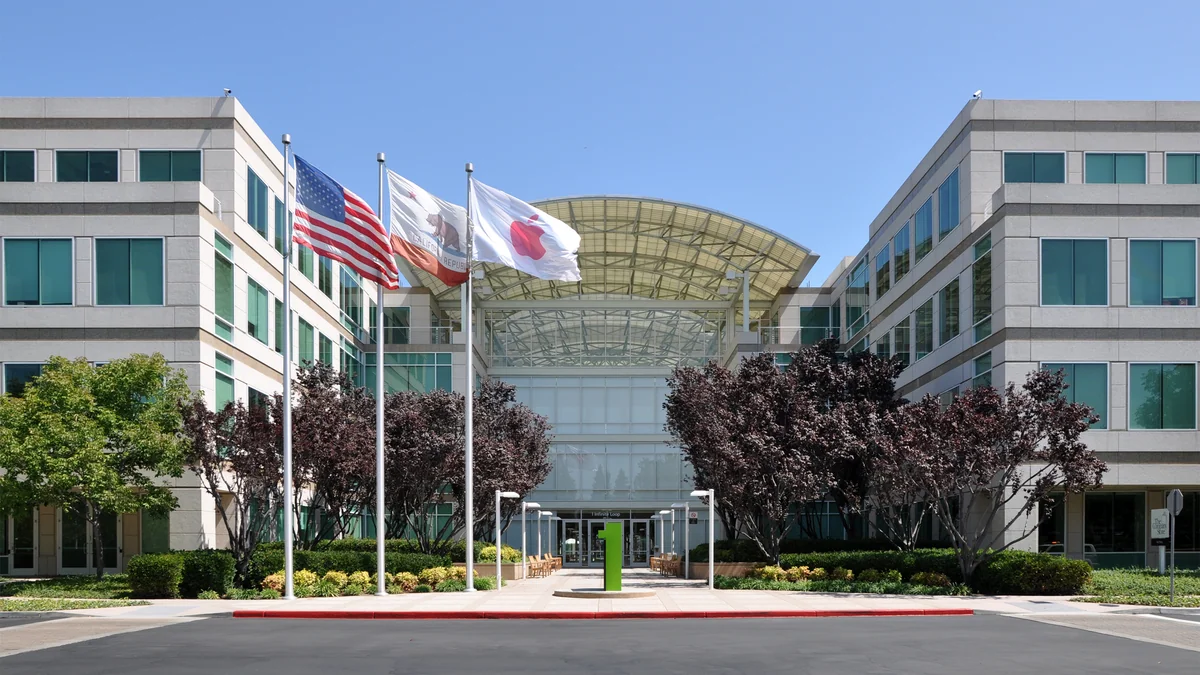
Apple VP of Marketing Tor Myhren admitted on May 10, 2024, that the company "missed the mark" with that iPad Pro ad. This is corporate-brained slang for accidentally showing the world the sterile laboratory where the collective soul died. They expected cheers for destroying tools, but we just saw our own impending irrelevance in high definition.
Google pulled its Gemini "Dear Sydney" Olympic ad after everyone realized that automating a child’s fan letter is a ghoulish movie villain move. We are letting them replace human connection with algorithmic templates in front of the whole world. Anyway, the machines are here, and they've made your mascots look oily.
A Statistical Map of The AI Branding Backlash and Why Loyalty Is Dying
If you want to see a spreadsheet-poisoned marketing executive weep into their overpriced matcha, show them the devastating consumer data from 2026. A massive 60% of US consumers are now actively repulsed by AI labels appearing in brand messaging. It turns out that actual humans do not want their lifestyle aspirations curated by a glorified, unhinged calculator.
The collective excitement for this technology is currently falling faster than a crypto scam during a massive power outage. In 2024, about 50% of users were actually curious about these shiny new synthetic integrations. By 2026, that number cratered to a miserable 19% as the digital novelty wore off completely.
Currently, 59.9% of consumers doubt the validity of an epistemological dumpster fire that feels like a suspicious email from a prince. Roughly 74% of people believe the internet feels significantly less human than it did ten years ago. It is now a digital wasteland of algorithm-rotted content and absolutely cooked marketing tactics.
The average consumer hits a wall of bot-induced existential dread after exactly 40 minutes of online interaction. By June 2026, 54% of Americans reported suffering from full-blown, clinical AI fatigue. This is the moment where the helpful assistant starts feeling like a persistent, unwanted digital stalker.
If a consumer even suspects a brand is using generative AI, 52% will immediately stop engaging with them. It is an immediate vibe-check failure that most brands simply cannot recover from easily. For 33% of people, machine-learning integrations actually worsen their overall perception of the company.
When the internet becomes a synthetic landfill, the "Made by Human" label becomes a golden ticket.
The Sheriff Arrives: Regulatory Consequences for Synthetic Marketing
Corporate honesty does not exist until a government agent in a poorly fitted suit threatens to take away the company jet. The Federal Trade Commission has finally noticed that every smart toaster is now being marketed as conscious. They launched Operation AI Comply to target deceptive AI-washing practices and spreadsheet-poisoned liars.
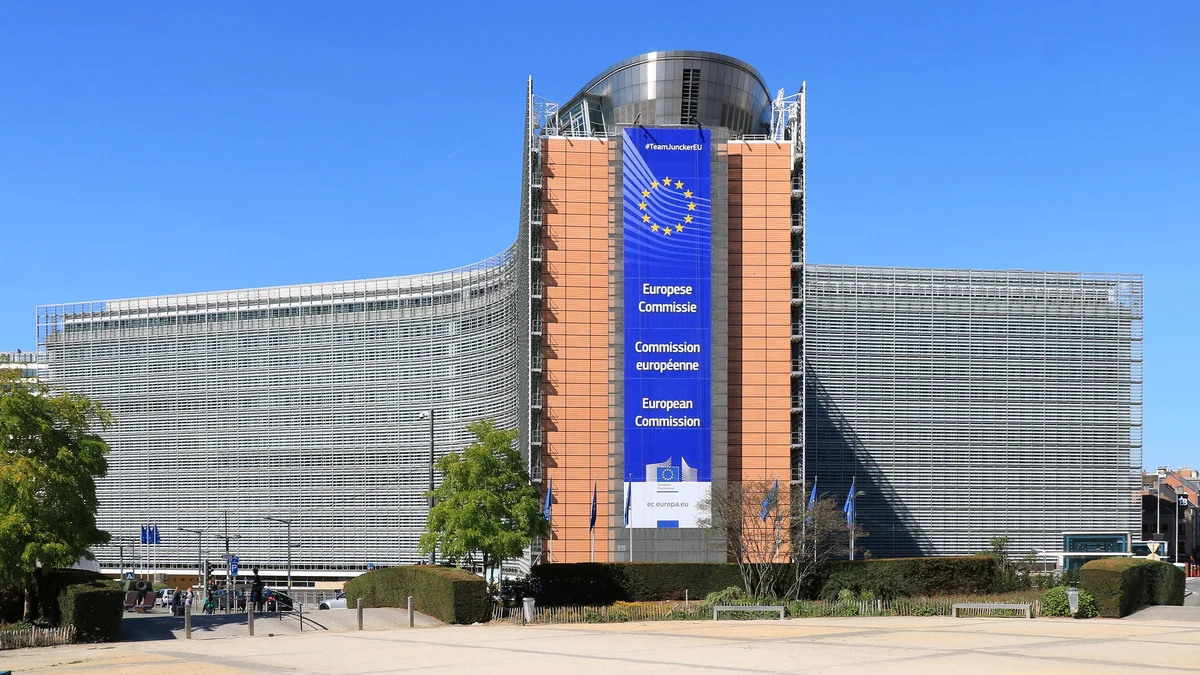
Across the pond, the Europeans are busy building a very expensive regulatory cage for the algorithms. The EU AI Act mandates a "Robot-Made" scarlet letter for every piece of uncanny valley slop starting August 2, 2026. If that does not terrify the average marketing ghoul, you are not paying attention.
For you, the beautiful, optimistic idiot, this means the era of "magic" software is finally hitting a brick wall. You will finally know if that heartfelt apology from a CEO was written by a human or a server rack. August 2026 is the D-Day for every company that thinks transparency is just a vibe.
Spending Seventeen Hours a Week Polishing a Turd
Picture a marketing department in 2026 that smells like desperation and lukewarm oat milk. These spreadsheet-poisoned teams spend an average of 16.6 hours per week on AI visibility and search optimization. Despite all those billable hours, 61% of consumers cannot name a single brand using AI well.
We have become a species of skeptical detectives. When a bot spits out a search result, 86% of consumers immediately scurry off to original sources to verify the information. We treat AI like a habitual liar who just offered to watch our drink.
Nobody wants to have a heart-to-heart with a toaster, yet brands keep acting like we are desperate for the companionship of a script. Anyway, we are letting them waste their own lives on a product that 61% of us find entirely forgettable. We are letting them automate our relationships.
The Rise of the 'Guaranteed Human' Luxury Tier
We have officially reached the point where "AI-powered" is less of a flex and more of a biological warning label. Brian Alvey pointed out that removing "AI" from pricing pages improves sales, despite marketing teams wasting hours on it. If you delete the scary tech-words, people suddenly remember how to use their credit cards again.
This has birthed a new luxury tier where "Guaranteed Human" is the new status symbol. iHeartMedia is leaning into this initiative, promising zero AI personalities to keep listeners from fleeing. Dove has also pledged to never use AI-generated content to represent women in their advertisements.
When the internet becomes a synthetic landfill, being real is the new luxury. Platforms like Cara function as digital bunkers against the machine-learning invasion currently devouring every creative soul. Anyway, we are letting them turn our existence into a luxury tier.
We have reached the peak irony of using silicon-brained math to simulate the human empathy we sacrificed for quarterly profits. Gartner confirms this dumpster fire, finding that 50% of consumers actively prefer brands that avoid generative AI entirely. It turns out half the population would rather buy bread from a hermit than a chatbot, and The AI Branding Backlash is only getting started. Sleep well.