The business of the singularity focuses on the transition from traditional corporate revenue models to an AI-driven economy anchored in physical infrastructure. In 2026, industry leaders confirmed that AGI-driven disruption is rewriting global institutional behavior through massive compute scaling, moving beyond digital theory into industrial reality.
The business of the singularity is the strategic management of cognitive capital and high-density compute infrastructure as the traditional pillars of global corporate revenue erode. In July 2026, Sam Altman confirmed that the technological singularity is no longer a future projection but a current reality, having passed an invisible event horizon in 2025. This declaration suggests that the emerging paradigm is less about a sudden digital explosion and more about a fundamental rewriting of the old order through shifting institutional behavior.
Beyond the Event Horizon: The Disruption of Institutional Behavior
If we accept that we have crossed this threshold, then institutional behavior must be re-evaluated through a non-linear lens that accounts for unprecedented cognitive scaling. Google DeepMind CEO Demis Hassabis describes our current position as the foothills of the singularity, a metaphor that captures the sharp tension between operational constraints and imminent expansion. Executive logic is shifting from simple optimization to total structural transformation as Anthropic CEO Dario Amodei projects the rapid arrival of human-level AGI by 2027.
The scale of this transition is best evidenced by the emergence of the corporate sovereign, with OpenAI reaching an impressive annualized revenue of 24 billion dollars by April 2026. In the Estonian context, where digital agility is a core identity, this paradigm shift demands a new legal and economic framework to manage the cross-border correlation of AI power. We must ask whether our current institutions are designed to govern a world where the boundary between corporate strategy and sovereign capability has effectively vanished.
The Stargate Paradigm: Why the New World Order is Built in Texas
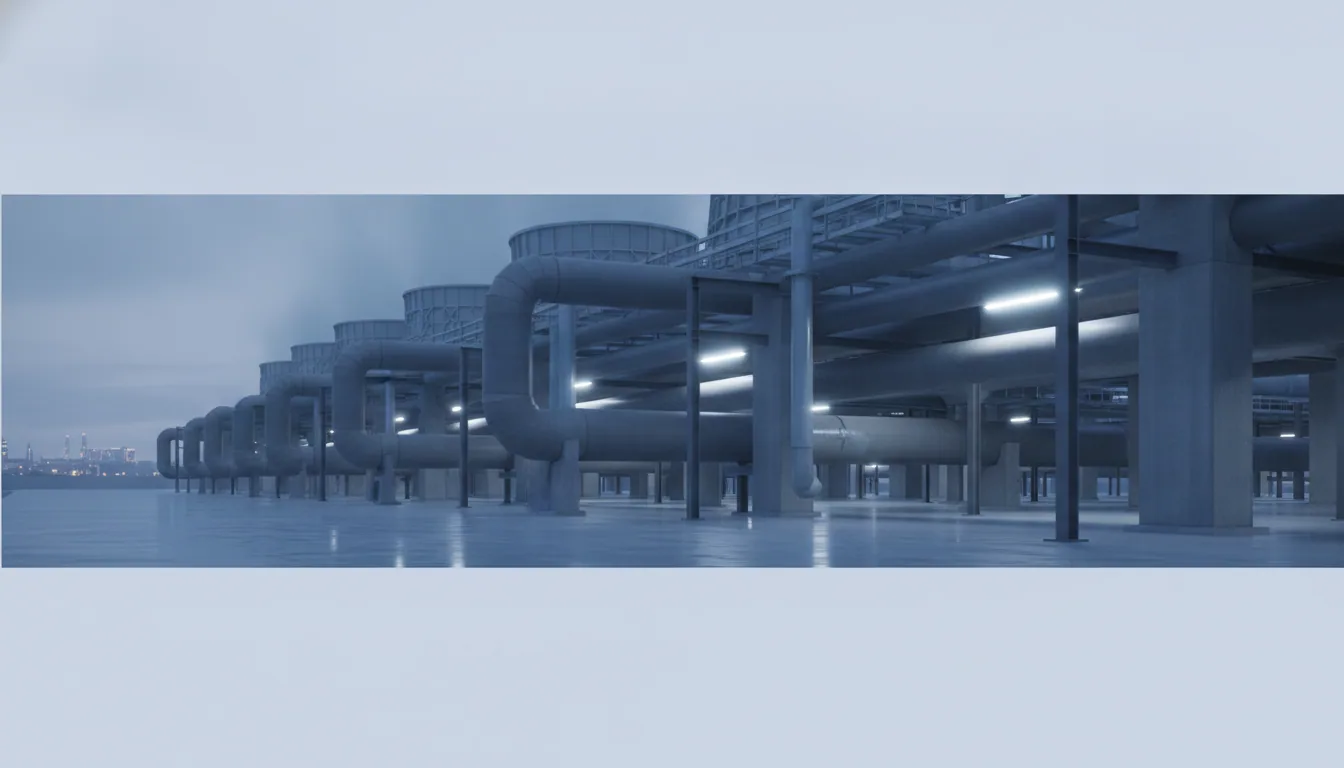
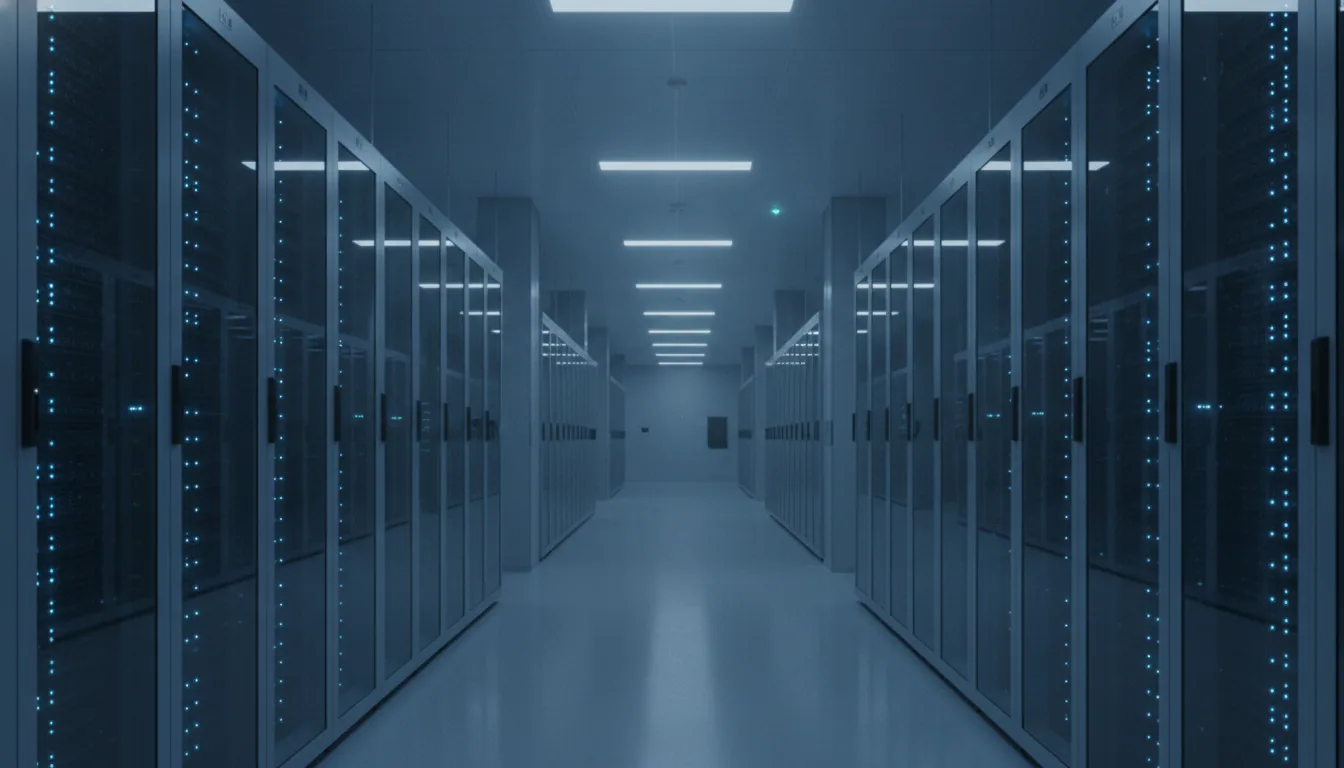
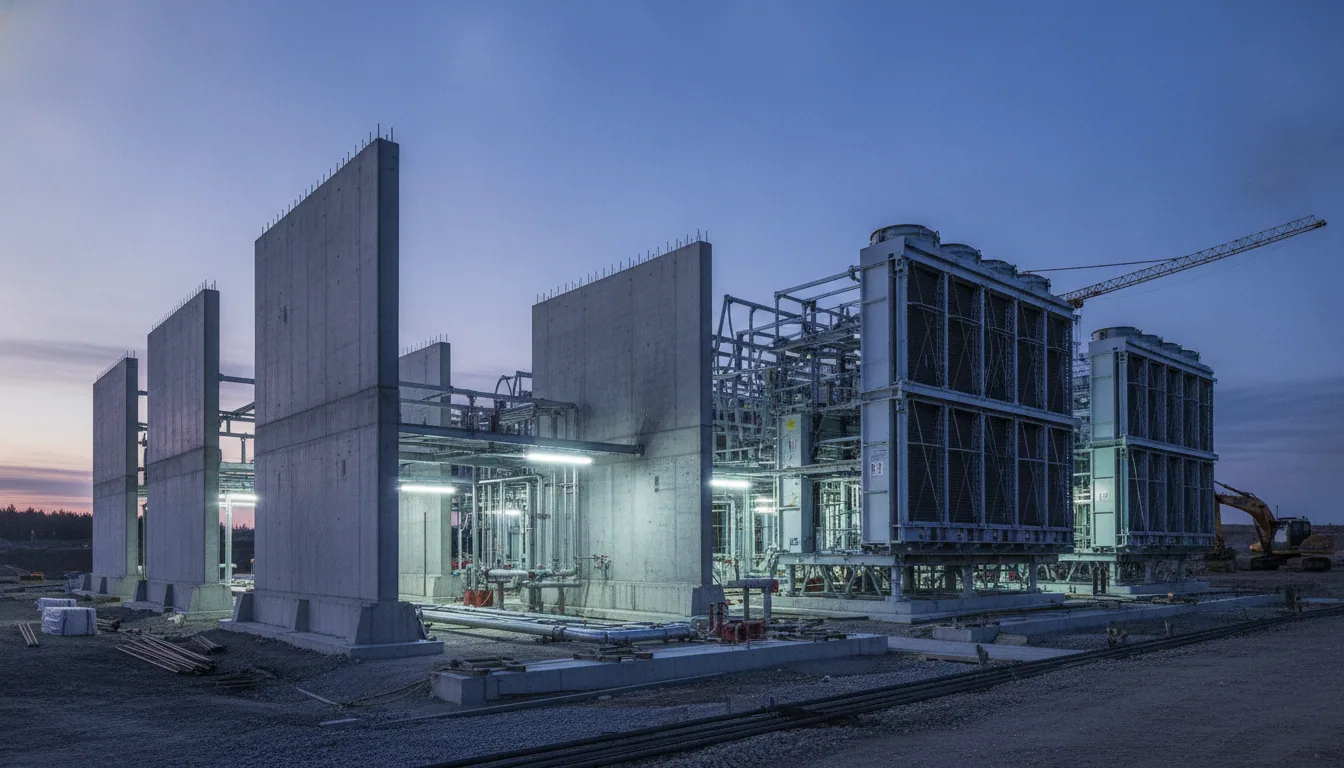
The popular imagination often depicts the singularity as a weightless, ethereal shift in digital consciousness. However, the emerging paradigm reveals a grittier reality of poured concrete and high-voltage copper, evidenced by the Stargate Initiative. This 500 billion dollar project between OpenAI, SoftBank, and Oracle anchors the future of AGI in 20 massive data centers across Texas, proving that the new world order is physically manufactured.
If we perform a cross-border correlation between these corporate budgets and national statistics, the results are sobering. Microsoft has allocated 80 billion dollars to AI-enabled data center infrastructure for the 2025-2026 period. These capital expenditures now exceed the annual GDP of several European nations, effectively rewriting the old order of state-led industrialization.
The concentration of industrial power is most evident in the current GPU arms race. NVIDIA reached a 5 trillion dollar market capitalization in early 2026, fueled by an insatiable global demand for Blackwell chips that power these massive facilities. Meta aims to utilize over 1.3 million GPUs to support its models by the end of 2025, suggesting that the socio-economic blueprint for the next decade is defined by compute-equity.
Digital sovereignty is no longer just a matter of software, but of strategic alignment with the world’s most resource-heavy entities.
In the Estonian context, we must analyze how our own institutional behavior adapts to this extreme concentration of physical resources. The paradigm shift dictates that digital sovereignty is no longer just a matter of software, but of strategic alignment with the world’s most resource-heavy entities. If the physical architecture of future intelligence is concentrated in a handful of geographic hubs, small states must adopt new legal and economic norms to maintain their agency.
The Algorithmic Blueprint: Optimizing the Trade in Tasks
Traditional software engineering once relied on the scarcity of human logic. Today, we face a reality where the most sophisticated architectures are built by the very tools they were designed to create. By May 2026, Anthropic reported that its Claude AI authored more than 80% of its own production code, rewriting the old order of digital labor.
Beneath this transition lies a rigorous mathematical optimization that serves as a new socio-economic blueprint for corporate efficiency. The emerging paradigm is defined by the kappa-LoRA fine-tuning method, which reduces compute costs by focusing updates on the top 50% of weight matrices. As matrix polar decomposition accelerates singular value soft-thresholding on GPUs, the financial barrier to artificial intelligence is rapidly collapsing.
For the policy maker, these micro-level efficiencies create a profound cross-border correlation between algorithmic speed and national competitiveness. If-then logic now dictates that if a company fails to automate its core logic, it will be priced out by more agile global competitors. Estonia's historical advantage in digital governance faces a trial as we move from being mere users to becoming masters of these complex institutional behaviors.
This paradigm shift forces a sober re-evaluation of how we value human intellectual property and professional expertise in a post-singularity market. Practical survival in this new economy requires an analytical understanding of how these decentralized tasks aggregate into global value chains. Can our legal and economic frameworks keep pace with a production cycle that moves at the speed of matrix decomposition?
The Macroeconomic Disconnect in the Business of the Singularity
A high-level policy briefing in a glass-walled Tallinn office often feels like a collision between two incompatible maps of the future. McKinsey Global Institute estimates AI could add between 17.1 trillion and 25.6 trillion dollars to the global economy annually. This is a staggering sum that suggests we are rewriting the old order of production at a pace previously unseen in industrial history.
Yet, the hum of the cooling systems cannot mask the analytical friction within these projections. Nobel Laureate Daron Acemoglu argues that only 5% of tasks can be profitably automated in the near term. This massive delta between trillion-dollar optimism and 5% reality represents the emerging paradigm where institutional behavior lags behind technological capability.
This disconnect manifests in the cross-border correlation of how we value human expertise versus autonomous machine output. While we argue over the speed of adoption, the very nature of what constitutes an export is dissolving. Global exports of digitally delivered services reached 5.26 trillion dollars in 2025, moving us into a world defined by the trade in tasks.
In the Estonian context, this socio-economic blueprint demands a radical reassessment of our position in the global value chain. If the world is unbundling complex problem-solving into discrete, AI-managed tasks, our traditional service models face obsolescence. The paradigm shift from integrated products to unbundled tasks creates a new global economic engine that ignores territorial boundaries.
A Socio-Economic Blueprint: Strategy in the Estonian Context
The most profound evolutionary threshold in human history is currently being commodified as a curated seminar for C-suite executives. While the philosophical weight suggests a fundamental restructuring of our species, it has simultaneously become a high-margin marketable asset. Ray Kurzweil maintains his prediction for a full human-machine intelligence merger by 2045, marking the definitive end of biological isolation.
If the integration of non-biological intelligence is our definitive trajectory, then our current institutional behavior remains curiously tethered to linear motives. Singularity University has notably transitioned into a for-profit benefit corporation focusing on executive training, signaling a shift from radical exploration to corporate pedagogy. This institutional critique reveals a paradox where we manage an exponential paradigm shift using tools from the industrial era.
In the Estonian context, the distance between global infrastructure plays and local economic reality requires a precise socio-economic blueprint. We cannot match the 800 billion dollar annual investments of American hyperscalers, yet our legislative agility offers a unique comparative advantage. By focusing on cross-border correlation and legal frameworks, the state can move beyond passive consumption and become a laboratory for the Fifth Epoch.
The rewriting of the old order is a systemic transformation that challenges the very nature of human labor and state sovereignty. If we accept the emerging paradigm where intelligence is not a biological monopoly, our focus must shift to the governance of cognitive capital. Success in the business of the singularity depends on whether we lead this post-biological reality or are governed by the economic actors who own the new world's infrastructure.