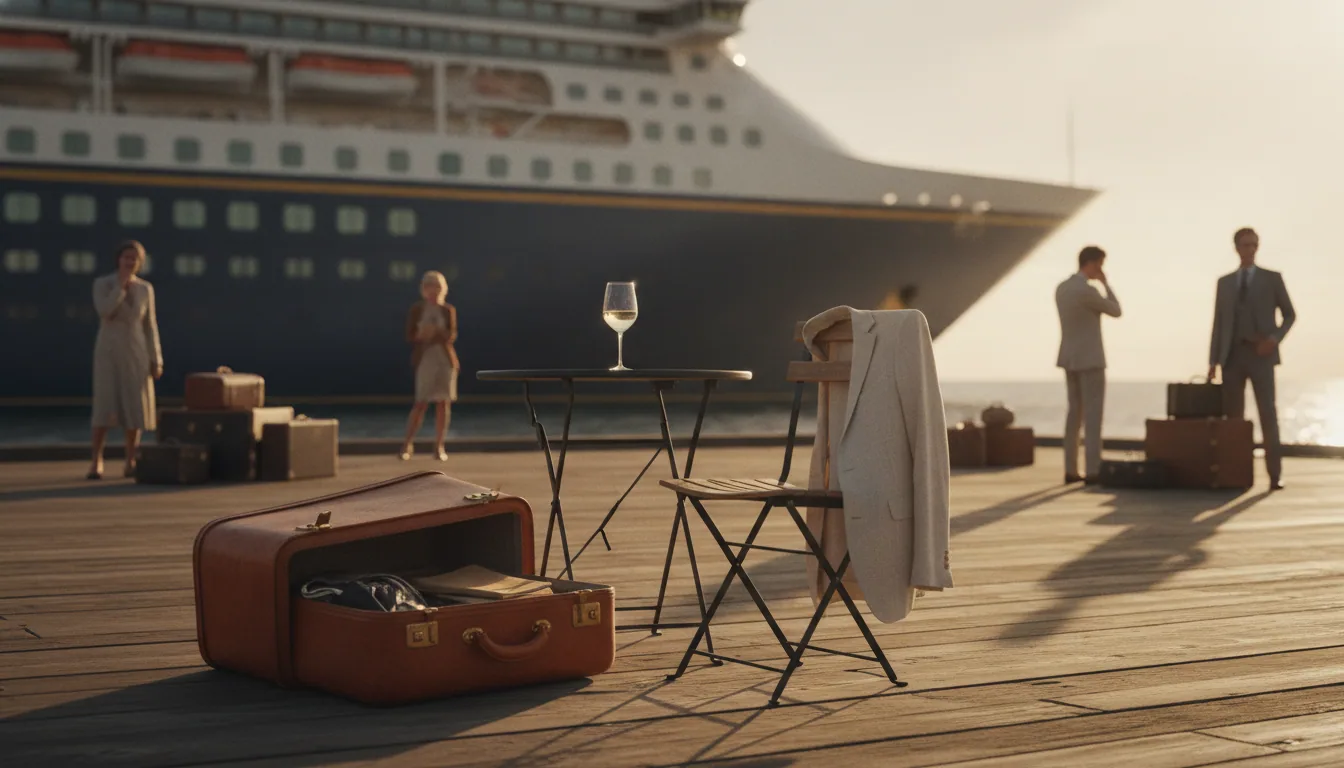
Living permanently at sea via residential cruise ships has proven financially unstable due to volatile fuel costs and aging infrastructure. Recent failures include Villa Vie Odyssey's 2026 eviction in Cambodia and the 2023 collapse of Life at Sea Cruises, leaving hundreds of passengers displaced after selling their homes.
The forever-cruise dream is failing because soaring operational costs and aging vessels make long-term maritime living financially unsustainable for providers and residents. Imagine the humidity of a Cambodian afternoon, the kind that makes your linen shirt cling to your back. You are watching the Gulf of Thailand shimmer until an announcement stops the clock.
On October 26, 2026, the dream hit an expensive reef when Chief Executive Kathy Villalba ordered all 650 residents of the Villa Vie Odyssey to evacuate. Everyone had to be off the vessel by 2:00 PM sharp. Paradise is surprisingly fragile when it relies on someone else's fuel budget.
One minute you are a global citizen with a permanent view of the coast. The next, you are just another traveler with too much luggage and a canceled itinerary. It is a sensory shock that tastes like diesel and salt.
You go from the quiet luxury of a cabin you thought was home to a humid dock. The voyage ended with a corporate memo and a deadline.
High Fuel Costs: The Financial Weight of the Forever-Cruise Dream
How does a war in the Middle East end up at your breakfast table in Cambodia? It is a question of math and marine gas oil. For the residents of the Villa Vie Odyssey, the math simply stopped making sense.
Chief Executive Kathy Villalba pointed to "extraordinary increases in fuel costs" as the anchor that dragged the dream down. Historically, a cabin's share of the fuel bill sat at a manageable $1,800 a month. Most people cannot pay four times their rent just to keep the lights on.
Then the conflict in the Middle East sent global prices screaming upward. Suddenly, that $1,800 monthly overhead ballooned to somewhere between $6,000 and $8,000 per cabin. It is the difference between a comfortable retirement and a financial emergency.
Founder Mikael Petterson says the company is now "evaluating restructuring and recapitalization alternatives." The ship has entered a "temporary layup," which is maritime-speak for searching for cash. When the pulse gets too expensive, the heart stops.
The Trouble with Thirty-Year-Old Steel
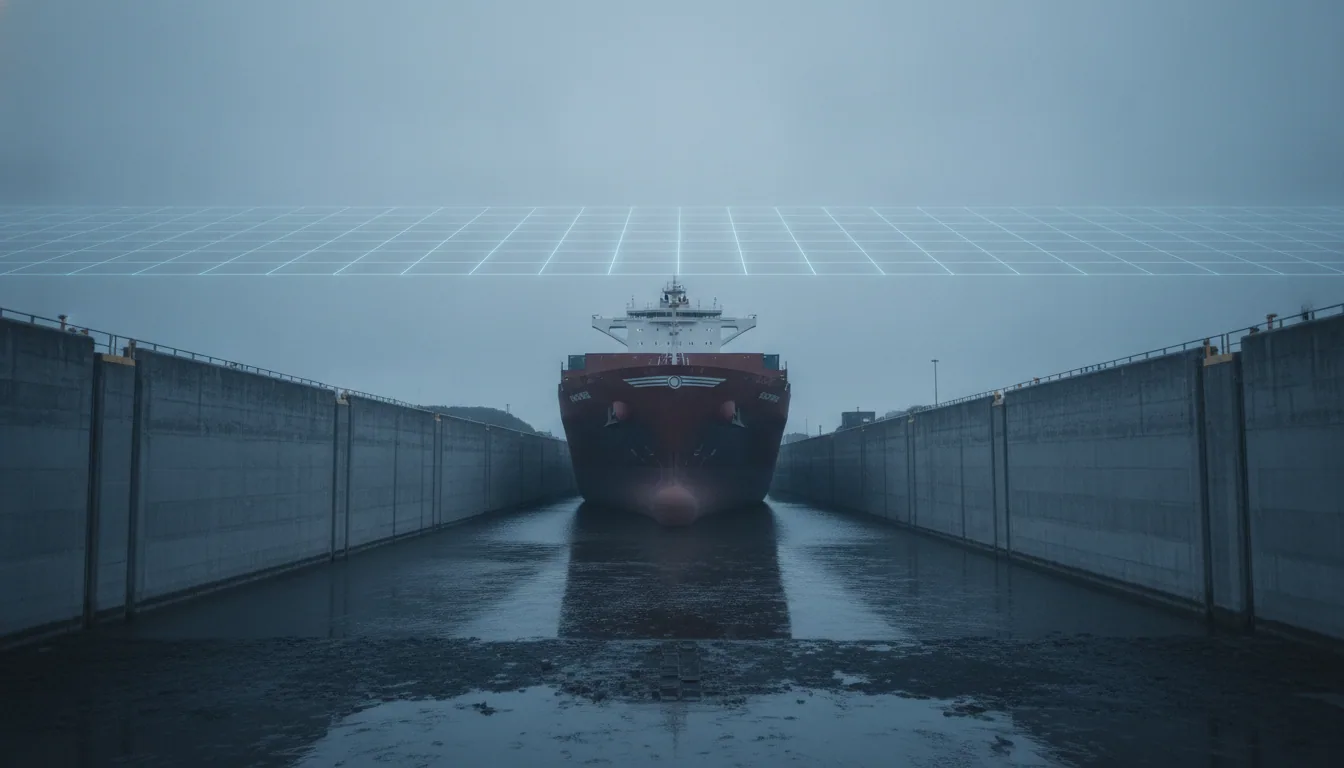
The Villa Vie Odyssey is the thirty-year-old MS Braemar with a fresh coat of paint and a heavy weight of expectation. When you choose a life on a converted vessel, you are betting on vintage steel and old plumbing. Your retirement home is only as stable as a thirty-year-old engine.
Belfast, Northern Ireland, served as the first reality check. The ship sat there for four months before its October 2024 launch. This delay was a warning shot that many chose to ignore while focused on the horizon.
The residential sea life model rarely builds something new. It relies on high-occupancy chartering or picking up aging ships that other lines have outgrown. These vessels are cheaper to buy, but they are expensive to keep happy.
Maintaining a three-decade-old ship requires more than just optimism; it demands a constant flow of cash. When occupancy isn't high enough or the fuel price jumps, the old steel becomes a liability. The romance of the sea quickly fades when the propellers won't turn.
The Ghost of Life at Sea
Before the current mess in Cambodia, there was the specter of Miray Cruises. I think of the travelers who sold their houses and packed their favorite silk scarves for a three-year odyssey. They spent upwards of $115,500 for a package that promised the world on a silver platter.
Then, on November 17, 2023, the music stopped. Just two weeks before the ship was meant to sail, Life at Sea Cruises collapsed entirely. A dream that requires you to liquidate your entire existence and sell your home is a gamble, not a lifestyle.
A dream that requires you to liquidate your entire existence and sell your home is a gamble, not a lifestyle.
CEO Vedat Ugurlu eventually confessed that the company could not afford the $50 million required to purchase the vessel. It was a $16 million lesson in the fragility of these maritime promises. A group of 78 former passengers filed for a criminal investigation in 2024 to track down their lost deposits.
Phantom Ships and the 80 Percent Rule
If the Villa Vie is a lesson in maintenance, Victoria Cruises Line (VCL) is more of a fever dream. Since 2022, they have collected deposits for a lifestyle that remains strictly digital. You should never trade your real home for a brochure.
Their marketing featured the ship Majestic, a name that sounds like a promise of velvet and gin. However, the actual owners of the Majestic denied any association with the line. This is the "phantom" ship problem, where a dream is sold before the keys are in hand.
The business model often relies on a brutal 80 percent occupancy threshold. VCL reportedly needed to fill four-fifths of the cabins just to charter their intended vessel. If the math does not work, the ship does not sail.
The $8 Million View from a Dry Dock
Building a new ship from scratch sounds like the adult choice, and Storylines promised exactly that with the MV Narrative. It was designed to be the gold standard of residential sea life. It is hard to feel like a global citizen when your living room is still a blueprint.
But the dream has a habit of moving the finish line. Projections for the launch date have already drifted from the original 2025 target to the first quarter of 2028. That is three more years of waiting for a hull to become a home.
The financial buy-in is equally staggering, with prices ranging from $1 million to $8 million. Waiting until 2028 to start your life is a gamble with the only currency that actually matters. Time is the one thing no refund can ever replace.
Keep Your Feet on the Ground (and the Shore)
It isn't just the flashy startups hitting the rocks. In February 2026, Alaskan Dream Cruises folded after fifteen years of navigating the fjords. Selling your house for a cabin on a thirty-year-old ship is a massive gamble on global stability.
When fuel costs jump to $8,000 a month per cabin, the dream turns into a liability. You do not want to be the one standing on a Cambodian pier with your life in a suitcase. True luxury isn't a permanent cabin; it is the freedom to leave when you want.
Forget the phantom ships and the $8 million dry docks. This week, buy the good sea salt and a bottle of cold, mineral-heavy Chablis. Set your own table and eat well right where you are, rather than waiting for a corporate vessel to keep the forever-cruise dream afloat.