A Secret Announced from the Tallest Podium in the World
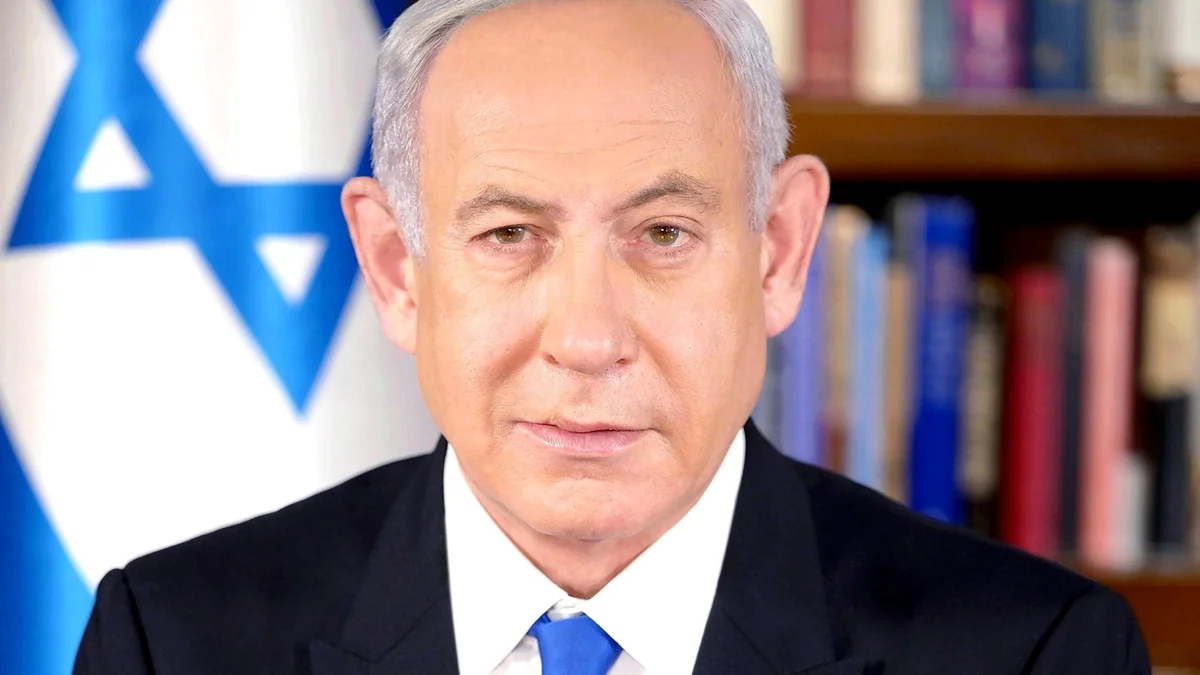
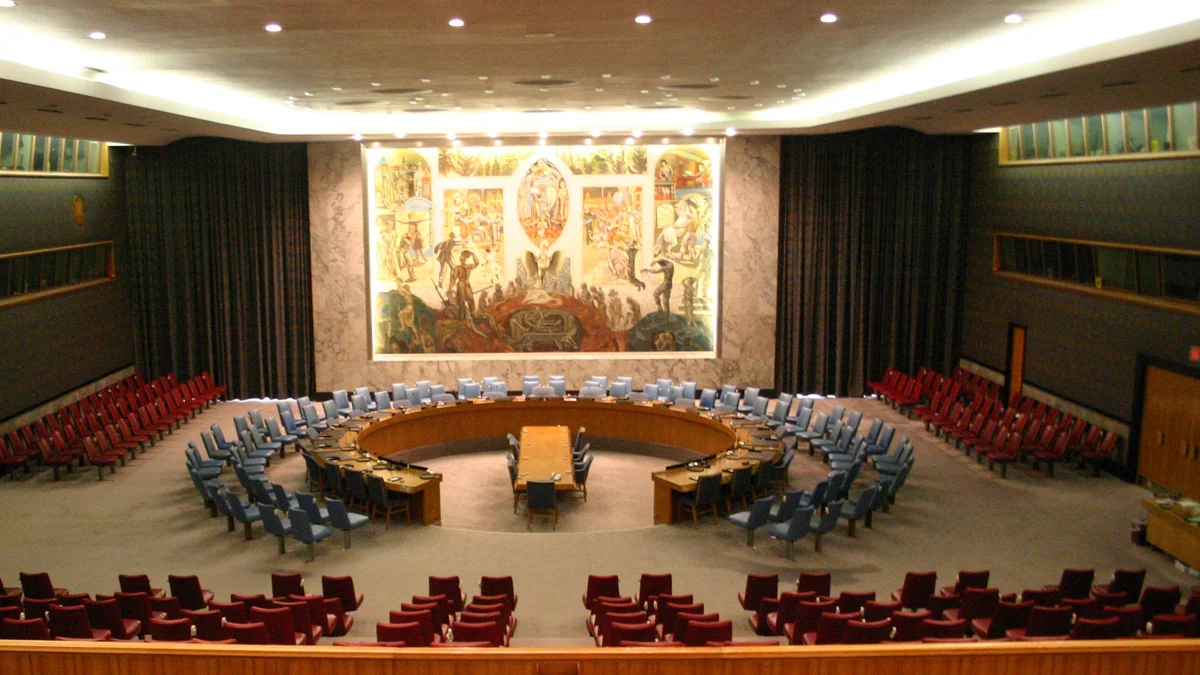
There is a specific grammar to the Seoul-Kyiv PoW tension, and to back-channel diplomacy: the thing that cannot be said in public is understood by both sides to be unsayable, and the deal holds precisely because neither party names it. Seoul and Kyiv had such an understanding, or believed they did. On September 28, 2026, Volodymyr Zelenskyy stood at the United Nations General Assembly and named it.
The disclosure was not incidental. Zelenskyy announced, from the highest diplomatic stage on earth, that Ukraine had transferred two North Korean soldiers to South Korea — captured in combat by Ukrainian forces while fighting for Russia on Ukrainian soil.
Two men, taken from a war in Eastern Europe, now in Seoul. The transfer had been designed to remain confidential. It did not.
The fact of North Korean boots on the ground in Ukraine had been documented before September 28. What Zelenskyy added was something more precise: prisoners, captured, transferred, delivered. He handed the South Korean government a public fact it had not consented to publicise.
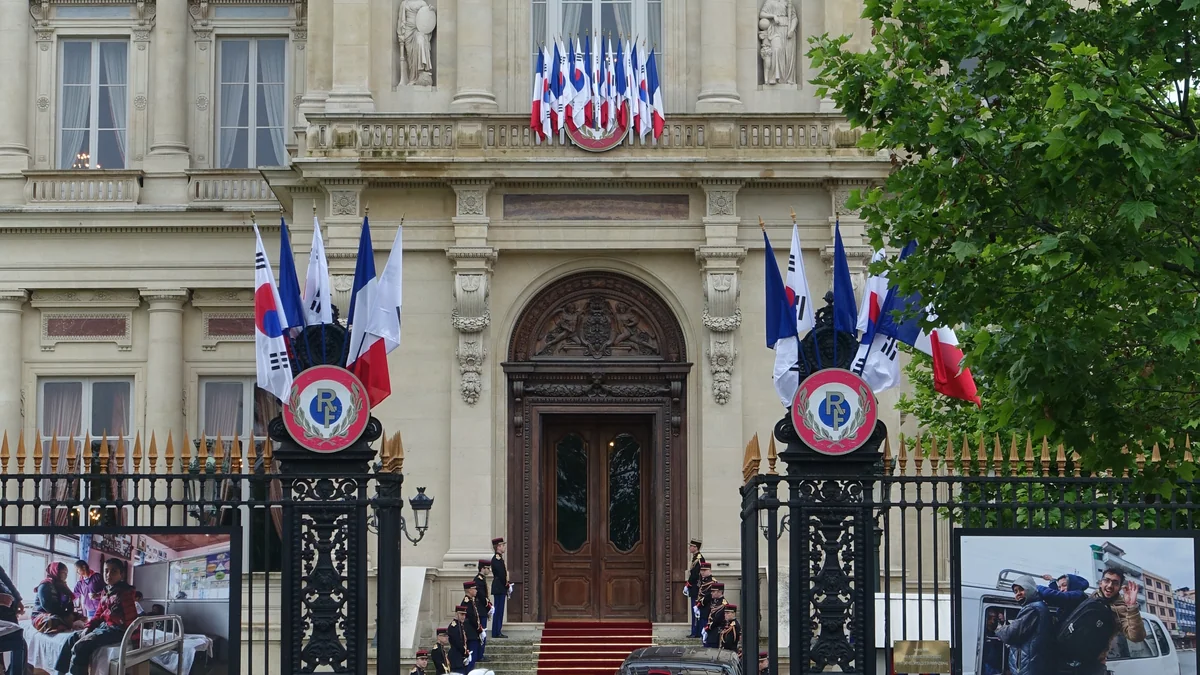
By the end of the day, Seoul's Ministry of Foreign Affairs had summoned the Ukrainian envoy. The bilateral relationship, which had been managed with studied caution on the Korean side, was now a diplomatic incident.
The confidentiality question and the denial question arrived together, which made the row worse. Seoul was not only saying that a confidence had been broken; it was saying that Kyiv then denied the confidence had ever existed. That is a different kind of rupture.
A secret disclosed is embarrassing. A secret disclosed and then denied is something a ministry has to formally protest, in writing, on the record — which is exactly what happened.
The Agreement That Existed, and the Agreement That Did Not
Seoul's position is precise: Ukraine received the two North Korean prisoners, transferred them quietly, and made an undertaking to keep the arrangement off the public record. The South Korean Ministry of Foreign Affairs summoned the Ukrainian envoy after Zelenskyy's UN announcement — not to exchange views, but to lodge a formal protest. That is the procedural vocabulary of a government that believes it has been wronged, not merely inconvenienced.
Kyiv's position is equally precise, and irreconcilable. No such confidentiality agreement existed. There was nothing to breach. The denial was immediate and categorical.
One of these positions is false. The public record does not yet settle which, because the exact wording and signatories of the alleged agreement remain undisclosed — if the document exists at all.
What the record does settle is the sequence: transfer conducted quietly, announcement made from the highest available podium, denial issued once Seoul objected. Seoul's demand covers both offenses separately, the disclosure and the subsequent denial of the pact, which suggests the second wound was felt more sharply than the first.
South Korean officials described their regret over Kyiv's denial in terms worth reading carefully. Regret of that register, in diplomatic usage, is not a softening word. It is the polite form of the accusation that you know you are lying.
The Korea Times described the Seoul-Kyiv prisoner-of-war dispute as unusual in the bilateral history of the two nations, which is measured understatement. Seoul and Kyiv have had no structural reason for this register of conflict. They do not share a contested border, a colonial history, or a trade dispute layered across decades.
What they share now is a back-channel arrangement, a podium speech, and a gap between their accounts wide enough to end the relationship's working premise.
Somewhere in a ministry drawer sits either a signed document or its absence. The whole argument runs on which.
The Load-Bearing Wall: What Seoul Actually Needs from Kyiv, and What It Has Now Lost
Start with what Seoul was actually providing, because it reframes the whole argument. South Korea has transferred zero lethal weapons systems to Ukraine. The number is not a clerical omission; it is a policy, maintained under sustained pressure from Washington and revised under domestic anxiety about Pyongyang's reaction to any visible Korean hand in a war where North Korean soldiers are dying on the Russian side.
What Seoul offered was narrower: non-lethal aid, logistical cooperation, and something harder to quantify on a manifest — a channel.
That channel carried intelligence. Specifically, it carried the kind of granular technical and tactical observation that only Seoul can produce about North Korean military behaviour, equipment tolerance and unit performance under combat conditions.
The two prisoners were not a humanitarian gesture. They were a node in that channel, transferred quietly so that South Korea's analysts could work without Pyongyang being handed a propaganda gift or a pretext for escalation.
Kyiv understood this. The confidentiality was not incidental; it was the load-bearing wall.
The analysts cited by the South China Morning Post are careful: the row may cause Seoul to halt non-lethal aid. That conditional does a lot of work. Seoul's Ministry of Foreign Affairs is not looking for a reason to cut Kyiv off.
It is looking for cover — domestic cover, regional cover, the ability to tell a nervous public that the arrangement was managed with discretion and that the discretion was respected. Zelenskyy's announcement from the United Nations podium removed that cover in a single sentence.
What Seoul has lost is not the goodwill of a distant partner; it is the institutional confidence that anything passed quietly stays quiet. That confidence, once gone, does not return on the strength of an apology.
What Seoul has lost is not the goodwill of a distant partner; it is the institutional confidence that anything passed quietly stays quiet.
Two North Korean PoWs, a Convention, and the Intelligence Kyiv Wanted the World to Notice
The Geneva Convention is not complicated on this point. A captured combatant is a prisoner of war, and a prisoner of war carries with him a set of obligations that no bilateral convenience can dissolve. The two North Koreans taken by Ukrainian forces during combat operations did not cease to be protected persons when someone in Kyiv decided they were more useful in Seoul.
That transfer, quiet until it wasn't, sits at the intersection of two separate problems. The first is legal: moving a PoW to a third-party state that is not party to the original conflict requires a chain of assurances under the Geneva Convention — assurances that the receiving state will uphold protections, that repatriation protocols remain intact, that the prisoners are not instrumentalised beyond what the law permits.
Seoul is a functional democracy with rule-of-law institutions; the legal problem is manageable. The political one is not.
The second problem is the disclosure itself, and here the analyst reading is hard to avoid. Zelenskyy chose the floor of the United Nations. That is not where a government announces a routine PoW transfer.
That is where a government announces something it wants inscribed in the global record, something it needs the world to register: North Korean soldiers, in Russian uniform, captured on a European battlefield. The intelligence value of the two men — their knowledge of unit structure, of supply chains, of the exact terms under which Pyongyang sent its soldiers west — was real. But the signal value, broadcast from the tallest podium available, was something else.
Somewhere, a decision was made that the signal was worth more than the secret.
Pyongyang has said nothing. Its silence is unremarkable; it has no good response to the spectacle. What matters is that it was never asked. The borderland in this story has no seat at the table where its soldiers were just made into an exhibit.
Watch the Apology, or Watch What Replaces It
Seoul has demanded an apology for both the disclosure and the denial. That formulation matters. It is not a request for clarification; it is a demand that Kyiv acknowledge two separate failures, one of procedure and one of candour.
Compare the 2014 Rotterdam Rules dispute, in which a similar bilateral row over intelligence-sharing was quieted within ten days by a single ministerial statement. The difference then was that neither party had gone to the United Nations podium first.
The near-term marker is simple: does a formal apology arrive within the diplomatic window Seoul has implicitly opened, or does the silence harden into position? If Kyiv issues nothing substantive, the South Korean Ministry of Foreign Affairs has already provided its own answer — analysts have noted the risk that Seoul halts non-lethal aid.
That aid is the only thread Seoul currently holds toward Ukraine's war effort. Pulling it signals less about the hardware than about the principle: that mid-tier partners who absorb domestic political cost to support Kyiv can expect their quiet accommodations to be announced from a podium without notice.
The structural verdict on the Seoul-Kyiv PoW tension is this: a breach of this kind is not repaired by a statement. It is managed or it widens. Trust and cooperation, as Seoul itself named it, is not a recoverable condition by press release; it is rebuilt in the next quiet arrangement, if there is one, or it is not rebuilt at all.
Watch the Korean Ministry's next scheduled contact with the Ukrainian mission. If it is postponed, that postponement is the answer. The apology will not have come, and both governments will know what that means, even if neither says so plainly.