A Tarmac in September, and a Clock Reset to January
The Trump-Xi trade truce extension, announced September 23, 2026, moved the bilateral deadline from November 10, 2026, to January 10, 2027 — two months purchased, as Treasury Secretary Scott Bessent put it, to facilitate negotiations for a broader economic arrangement.
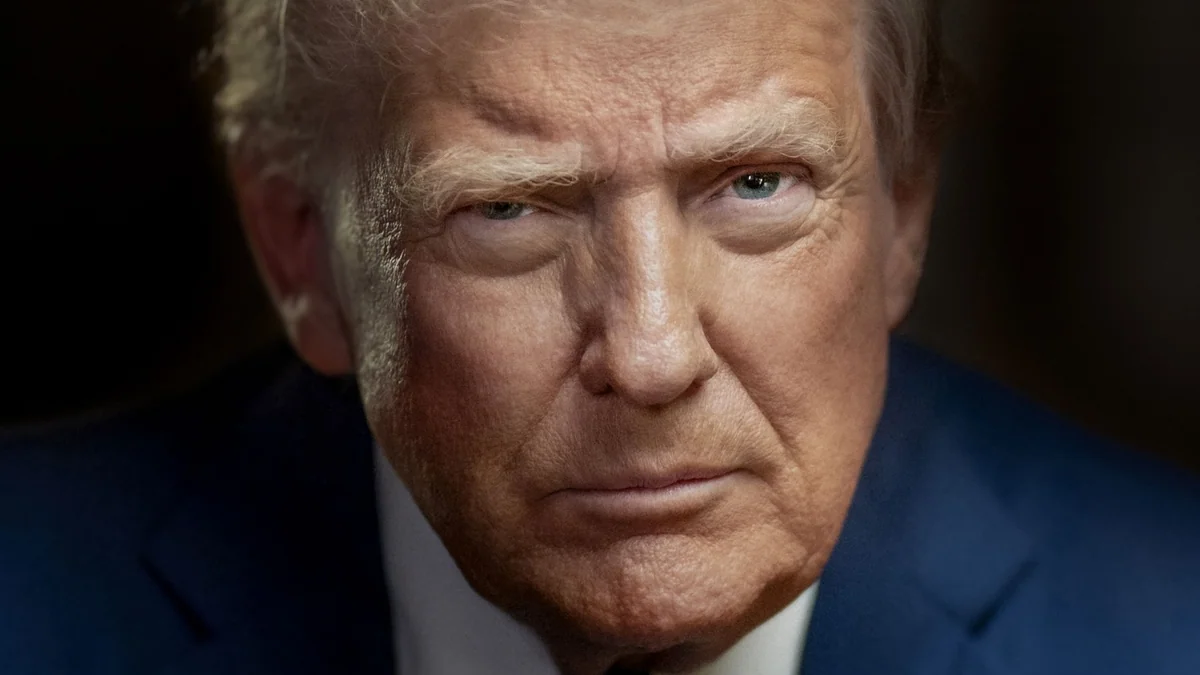
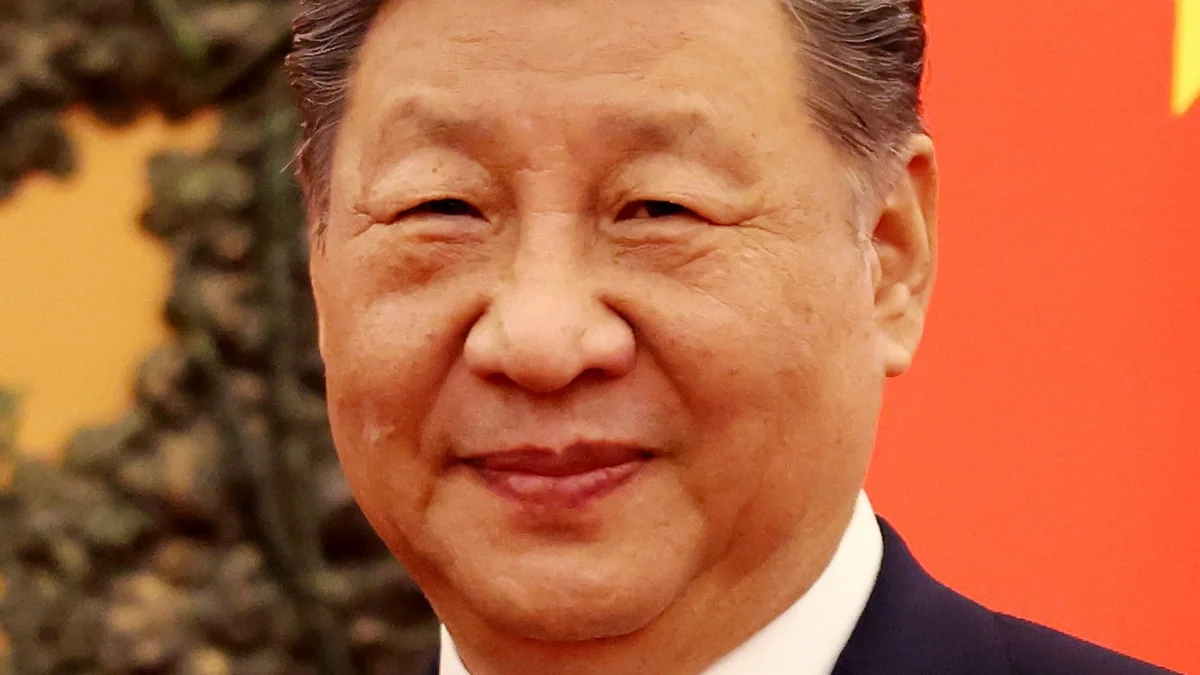
The protocol manuals note, without comment, that a presidential tarmac reception is not a courtesy. It is a ledger entry. When Nikita Khrushchev landed at Andrews in 1959, Eisenhower was there to meet him; the message required no translation. No American president repeated the gesture for sixty-six years. On September 23, 2026, Donald Trump met Xi Jinping at Joint Base Andrews — the first such greeting since 2015 — and the ledger recorded something worth reading before a word of the communiqué was issued.
What followed the ceremony was, formally, an extension. The new deadline is January 10, 2027. The formal White House summit follows on September 24, which is when the architecture gets its public cladding.
The Busan Agreement is the load-bearing structure underneath all of this. It reduced average U.S. tariffs on Chinese imports from fifty-seven percent to forty-seven, established purchase commitments across soybeans, agricultural goods, and rare-earth minerals, and set the clock that just got reset. Whether the clock is being reset because progress is real, or because the alternative is a cliff edge arriving inconveniently close to November midterm elections, is the question the tarmac ceremony cannot answer. The ceremony tells you who needed the photograph. The compliance scorecard will tell you who needed the time.
The Busan Ledger: What Was Promised, What Was Delivered
Scott Bessent and Chinese Vice Premier He Lifeng spent the better part of two days in a Washington conference room before the extension was announced. The result was a two-month reprieve, moving the expiration from November 10, 2026, to January 10, 2027. Whatever was said in that room, the structural arithmetic of the Busan Agreement now runs underneath it.
The Busan framework, struck in October 2025, reduced U.S. tariffs on Chinese imports from 57% to 47%. That ten-point reduction was the headline figure, the number the communiqués were built around. What the communiqués did not foreground was the compliance scorecard accumulating beneath it.
China met its soybean commitment — 25 million tons purchased, the pledge honoured — but the broader $17 billion agricultural purchase pledge is currently running short, and the gap is not marginal. On rare-earth mineral supply commitments, delivery sits at approximately two-thirds fulfilled. A partial scorecard, by any ledger.
U.S. Trade Representative Jamieson Greer is now the institutional watchdog on Chinese compliance through the extension period. His assessment will matter more than the summit photograph. The extension buys time for the compliance gap to close — or for it to become the argument in the next negotiation.
Read the ledger plainly: one commitment met in full, one running short, one two-thirds delivered. That is not a failing grade, but it is not the record of a party under no pressure. China's willingness to extend, despite incomplete delivery on its own pledges, is itself a structural signal. Watch the Greer assessment: if it hardens into a formal finding before January, the January deadline will arrive carrying considerably more weight than this one did.
Seven Million Containers Cannot Be Hidden in a Communiqué
The communiqué will speak of rebalancing. The shipping data already spoke, in early September, before any communiqué existed. Chinese export volumes reached 7.3 million containers in a single week ahead of the summit — a record, and not a coincidental one. That is front-loading: exporters racing goods to U.S. ports before the November 10 deadline arrived and the tariffs climbed. The volume is the real negotiating posture, stripped of diplomatic furniture.
China's August trade surplus landed at $119.1 billion, a 2026 record. U.S. exports to China rose 34.4% over the same month — a figure the wire services reported as encouraging until you read what produced it. Base effects: the comparison period was artificially low, depressed by the worst of the 2025 tariff shock. The structural rebalancing that Washington has been seeking since the Busan Agreement was signed is not visible in that number.
The practical working slate for the extension period is $30 billion in non-critical goods — products outside the national-security perimeter that negotiators believe can absorb mutual tariff reductions without triggering a domestic political crisis on either side. Thirty billion dollars is a real number and a small one. Total bilateral trade runs well above a trillion dollars annually. The load-bearing disputes — chips, rare earths, and the industrial subsidies underneath both — sit outside this bracket entirely.
Watch the published list of which goods qualify. If it remains vague through October, the $30 billion is a placeholder, not a programme.
The Fragile Interior the Summit Does Not Photograph
Behind every itinerary there is a reason the itinerary exists. Xi Jinping's Washington visit has been framed, variously, as a gesture of strategic reassurance, a sign of Chinese confidence, and proof that the Busan framework is holding. None of these framings mentions the housing market. China's domestic property prices have fallen roughly 30 percent over six years — a slow, structural collapse that no summit photograph corrects and no communiqué addresses.
This is the interior that drove the itinerary. When a government presiding over that kind of prolonged domestic contraction agrees to purchase 25 million tons of foreign soybeans and shows up, on time, at a military airfield in Washington, the compliance is not a mystery. It is arithmetic. External stability, and the continued flow of American market access, function as a partial substitute for the domestic demand that the housing correction took with it.
Against this background, read the summit's formal agenda items with appropriate care. The proposed AI safety dialogue and the new bilateral trade body are presented as architecture — as the load-bearing frame of a longer relationship. They may be. But a dialogue has no enforcement mechanism, and a body without a mandate is a room with chairs. The question to hold is whether these institutions are designed to decide anything, or designed to ensure that the next deadline, like this one, arrives with a replacement deadline ready.
The question to hold is whether these institutions are designed to decide anything, or designed to ensure that the next deadline, like this one, arrives with a replacement deadline ready.
January 10 and the One Line That Will Tell You Whether This Is a Deal
The original deadline was November 10. Moving it to January 10 clears the midterm elections with three weeks to spare — a margin too precise to be accidental. Call it breathing room if you prefer the negotiator's idiom; the political geometry is the same. Both sides needed the cliff pushed past the ballot box, and the US-China trade deal extension is the one thing they agreed on without difficulty.
What remains unresolved is whether the "bigger deal" Bessent invoked is a multi-year framework or simply the next two-month extension already drafted and waiting. The distinction is structural, not stylistic. A multi-year framework requires China to commit to purchase volumes and tariff reciprocity on a schedule it cannot quietly revise when domestic conditions worsen. A rolling extension requires nothing except the willingness to meet again.
The document to read, when it surfaces, is Jamieson Greer's compliance report. Not the summary. The verb. If the final text says China shall fulfil remaining agricultural commitments, someone on the American side has teeth left. If it says should, the report is decorative moulding, the deal is a deferral, and January 10 becomes November 10 with a different date. Every extension in the history of these talks has contained one load-bearing word that told you what the next headline would be. This Trump-Xi trade truce extension will too.