Nepal is demanding $20 million from the UN Loss and Damage Fund, citing a scientific report that links September's fatal floods to human-caused climate change. This move shifts climate debt from a moral argument to a data-driven legal claim, testing the world's actual willingness to pay.
$20 Million and a Scientific Report: Nepal Sends the Bill
Nepal is moving beyond the standard script of climate diplomacy. Instead of a plea for aid, the country is presenting a $20 million invoice to the UN's Loss and Damage Fund. This isn't a gesture; it is a claim based on a World Weather Attribution (WWA) study that treats the September flood disaster as a measurable liability rather than an act of God.
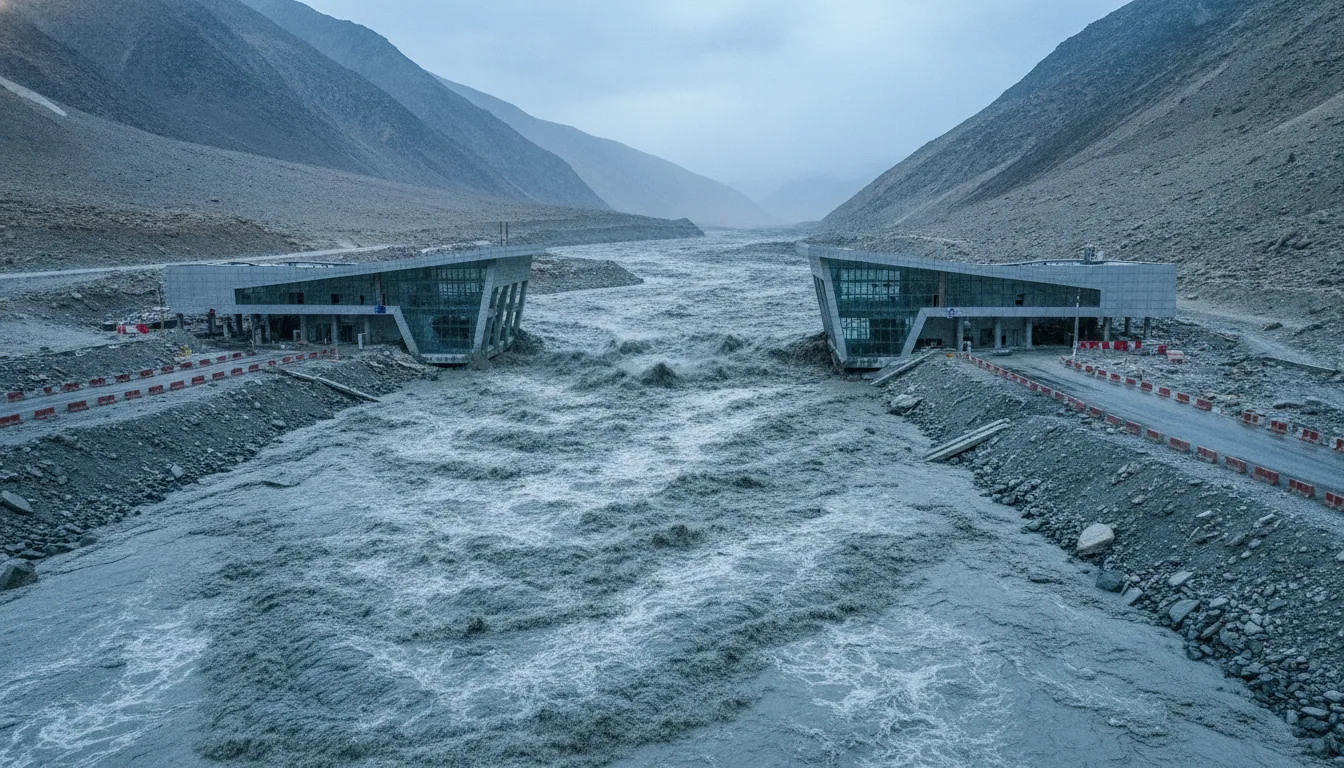
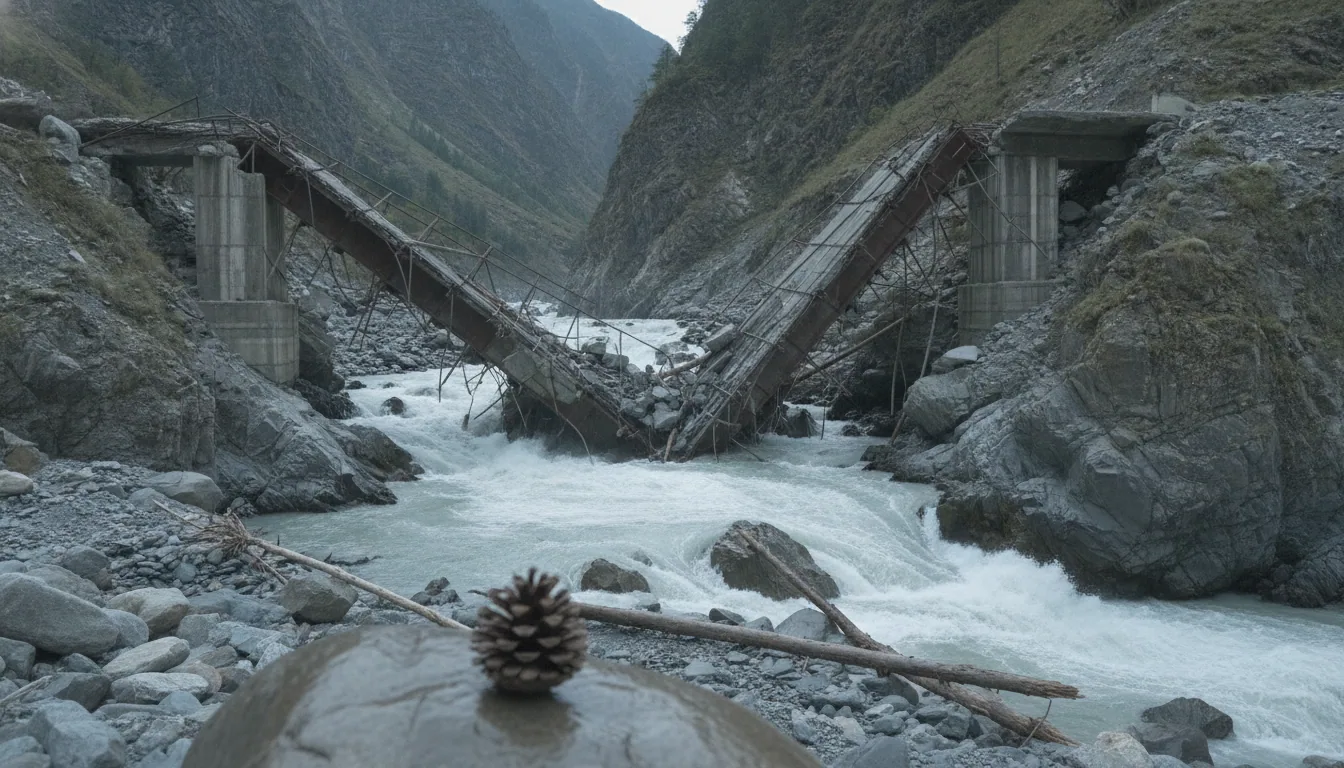
The flooding in September killed approximately 1,400 people, leaving a trail of destruction that required weeks of rescue operations in the mud and mountains. For Nepal, these numbers are no longer just a tragedy; they are the baseline for a legal demand. By linking the catastrophe directly to human-induced climate change, Nepal is testing whether the UN fund was built to actually move the needle or if it's merely a piece of political theater.
Attribution Science: Turning Guilt Into Percentages
For years, connecting a specific storm to global warming felt like speculation. Now, we have attribution science. Researchers compare models of our current world with models of a world without industrial warming. The result is a statistical probability that replaces opinion with evidence.
We saw this with Storm Daniel in Libya, where warming made the disaster 50 times more likely to occur. Without human influence, such an event would happen perhaps once every few centuries. Attribution studies provide the math that lawyers need: a measurable share of blame that can be converted into a financial obligation. Science has documented the cause; now, policy has to figure out the accountability.
The UN Fund Reality Check: The 1% Problem
Here is the honest scorecard for the Loss and Damage Fund created at COP28. In its initial phase, it secured roughly $700 million in pledges. That sounds significant until you look at the scale of the problem. Estimates for annual climate-related damages sit around $400 billion. This means the current fund covers less than one percent of the actual need.
The contributions are also lopsided. The United States pledged just $17.5 million—a rounding error in a federal budget—compared to Germany's $100 million. This gap between the historical emitters and their actual contributions is where the friction lies. The principle of the fund is recognized, but the funding itself is still a fraction of what is required to be a real lever for change.
G7, China, and the Oil States: Who Pays?
Nepal is no longer waiting for general goodwill; it has named its targets: India, China, and the USA. This marks a shift from broad pressure to specific, name-brand demands. It converts historical emissions into a direct financial debt.
There is a growing insistence from countries like Estonia that the donor base must expand. China's self-designation as a "developing nation" is the largest hurdle in these negotiations. As the world's largest current emitter, Beijing has to decide if it belongs among those who pay or those who receive.
Testing the Precedent
Nepal's $20 million claim is a litmus test for the entire international system. If it is paid, it clears the path for Pakistan, Libya, and every other nation standing in line with their own attribution studies. A single payout could create a legal precedent that changes climate negotiations forever.
Science has finally given the victims a language that the financial world understands: numbers and probabilities. Despair is just procrastination with better PR, but an invoice is a plan. The world must now decide if climate debt is a real ledger to be settled or just another promise that stays on paper.