Eight Euros and Eighty-Five Cents: Estonia's Answer to Unaffordable Farm Insurance
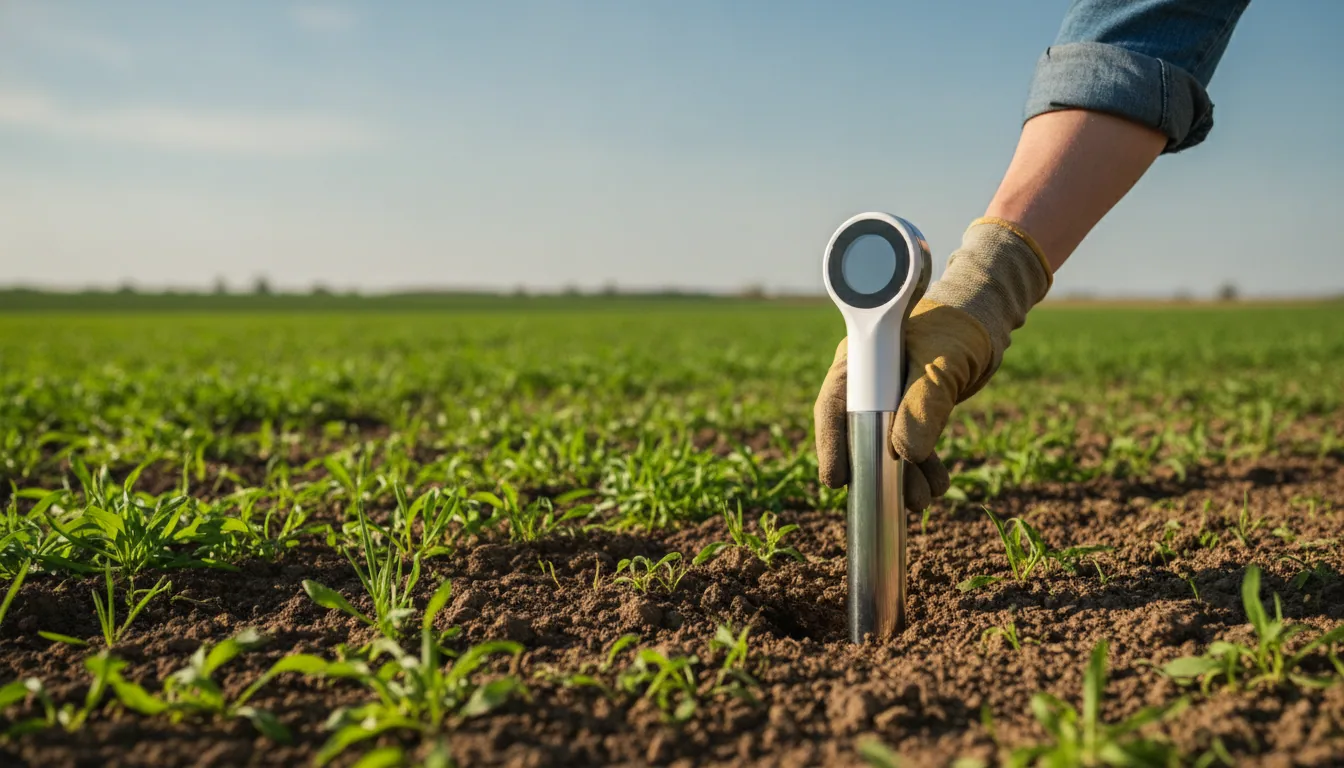
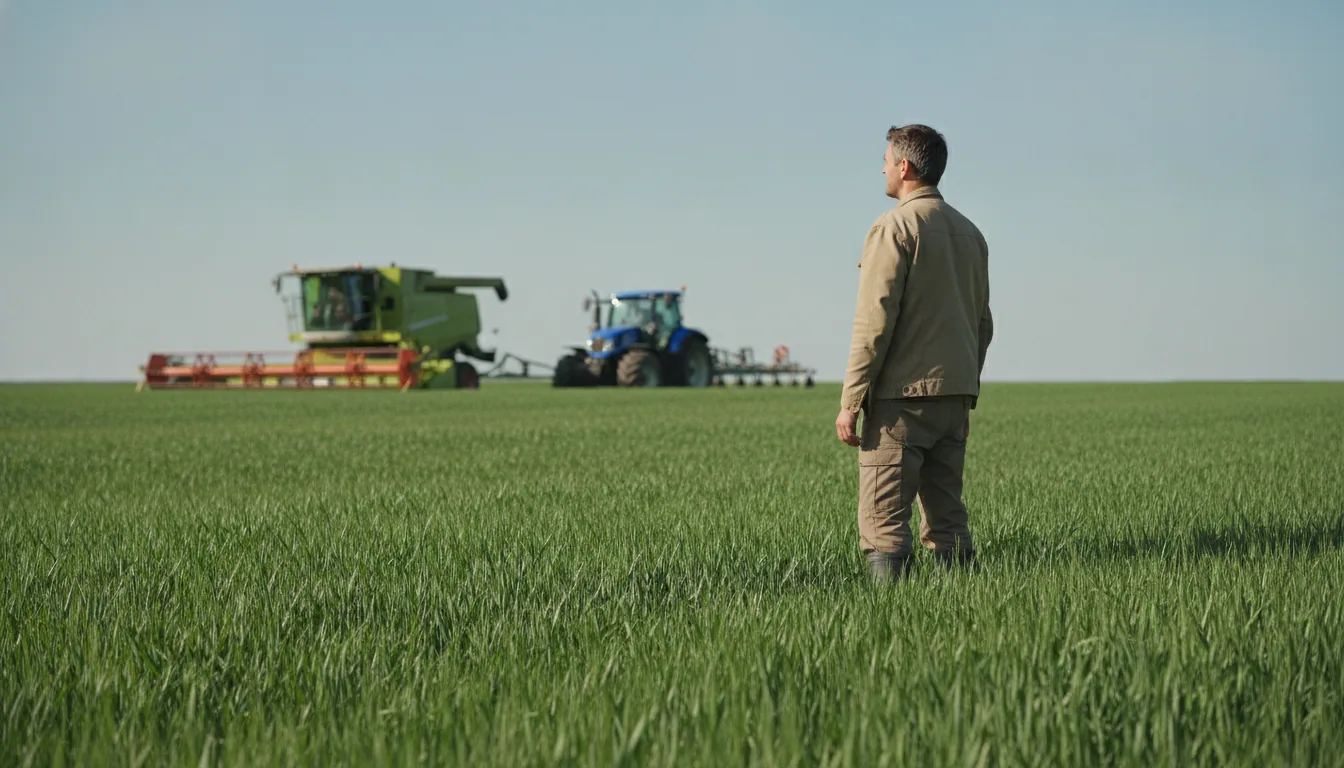
Last spring, an Estonian cereal farmer paid €8.85 per hectare to insure a crop against drought, hail, and storms. The full premium was €29.50. The state covered the rest.
That gap - €20.65 per hectare - is Estonia's most practical bet against the climate math that is collapsing farm insurance markets everywhere else. PRIA, the Estonian Agricultural Registers and Information Board, reimburses up to 70% of agricultural insurance premiums. It is a blunt, simple instrument.
Here's what actually works: you lower the price until farmers actually buy the product.
The budget numbers tell you how quickly the urgency shifted. In 2024, PRIA allocated €110,000 for these premium subsidies. In 2025, that figure jumped to €1 million - a nine-fold increase in a single budget cycle.
That is not a routine adjustment. That is a policy signal that someone in Tallinn read the trend line and decided to move before the crisis arrived rather than after.
The €3.3 million PRIA distributed in emergency aid in March 2025 for weather-related crop losses from 2023 and 2024 explains the logic precisely. Emergency cheques are expensive, slow, and politically awkward. Systematic insurance coverage, priced down to €8.85 per hectare, is cheaper and faster - if farmers actually sign up.
The policy is designed to shift farmers from bailout recipients into insured market participants before the next bad summer arrives.
The honest scale question, though, is unavoidable. One million euros in subsidy budget is not a large lever in a continent where Austrian drought losses alone hit €1 billion in 2026, with only €400 million of that covered by insurance. Is Estonia building a real buffer, or a well-intentioned gesture?
The answer depends almost entirely on one number nobody has published yet: the share of Estonian farmers who are actually insured.
The Forty-Two-Billion-Dollar First Half: How Global Insurance Is Running Out of Road
Swiss Re's latest figures are blunt: global insured losses from natural disasters hit $42 billion in the first six months of 2026 alone. That is not the annual total. That is January through June.
The pace matters because reinsurers - the companies that insure the insurers - set their pricing on exactly this kind of rolling data.
The number behind that number is worse. The protection gap, the difference between total economic losses and what insurance actually covered, stood at $318 billion in 2024. Researchers project it will double by 2030. That gap is not an abstraction. It is the bill that falls on governments, farmers, and households who believed risk was managed but discovered, after the flood or the drought, that it was not.
The United States shows where the trajectory leads. Home insurance premiums rose 38% on average between 2019 and 2024. Then the math stopped working entirely.
Major insurers did not raise prices further in California and Florida - they simply left. When private capital decides a risk is unquantifiable, it does not negotiate. It exits.
The mechanism connecting Miami and Malibu to a farm outside Tartu is reinsurance pricing. Estonian insurers buy reinsurance contracts on global markets. When Swiss Re's loss ratios deteriorate, contract prices rise at the next renewal cycle, and local premiums follow within twelve to eighteen months.
The lag creates an illusion of stability. Here is what actually works as an early warning signal: watch what categories of risk quietly become uninsurable first. In Estonia, waste processing is already there. Agricultural land in drought-prone regions could follow the same path - not with a crisis announcement, but with a quiet refusal to quote.
Half of England and a Billion Euros in Austria: Europe's Drought Is No Longer a Tail Risk
In July 2026, the UK Environment Agency declared 51.4% of England officially in drought. Not a metaphor, not a projection. A regulatory declaration with legal consequences for water use, agriculture, and land management across half the country.
Austria puts a number on what that kind of summer costs. Agricultural drought losses there reached €1 billion in 2026. Insurance covered €400 million. The remaining €600 million landed on farmers, rural communities, and governments without a backstop.
That €600 million gap is not a failure of weather forecasting. It is what an inadequate insurance market looks like when the bill arrives.
Here's what actually works as a frame: the protection gap is not a statistic. It is the distance between what you thought you were covered for and what you actually get. In Austria's case, that distance was 600 million euros wide.
WWF projects cumulative climate damages across the EU could reach €126 billion by 2029, absent investment in nature-based solutions. That is not a distant risk. It is four years away at current rates.
The practical point for any reader north of Vienna: spring drought is no longer an anomaly in northern Europe. Recent years have confirmed it as a recurring baseline, including in Estonia. The question is not whether your region will face a season like Austria's 2026.
The question is whether your insurance market will cover it when it does, or leave a gap measured in hundreds of millions.
The canary here is Austria, not California. When a European agricultural insurer reports a 60% coverage shortfall in a single season, that is the signal worth watching.
Estonia Is Stable — for Now: Reading the Market's Early Warning Signs
Picture Kaido Kepp on a Tuesday morning in Tallinn, scrolling through claims data the way a cardiologist reads an ECG: looking not for the attack but for the arrhythmia that precedes it. The numbers he sees are not catastrophic. They are, however, clearly directional.
General insurance premiums in Estonia rose 22% in the first nine months of 2023. Motor insurance climbed 21% over the same period. Part of that is inflation eating into repair costs; part of it is climate loading its weight onto risk tables. The honest answer is both, inseparable.
The cost side tells the sharper story. Claims payouts reached €355 million, a 14% single-year increase. Premiums are rising, but payouts are rising faster. That gap is where cushions compress.
Here is what Mart Jesse's data actually tells us, versus how it is routinely read. The headline is stability. The underlying signal is a cost curve outrunning the revenue curve, which is a different thing entirely from a market in good health.
Kepp's rule is specific: the insurance market typically lags economic and climatic reality by nine to twelve months. Today's stable premiums and renewed PRIA subsidies reflect 2024 conditions, not 2026 ones. The drought data from Austria and England has not yet been priced into Estonian renewals.
The Estonian market remains functional. That is real and worth saying plainly. But functional-for-now is not the same as resilient, and confusing the two is exactly the kind of comfortable reading that leaves farmers exposed when the renewal cycle catches up with the weather data.
When private capital decides a risk is unquantifiable, it does not negotiate. It exits.
When the Insurance Market Stops Quoting: Waste Processing Today, Farmland Tomorrow?
Kaido Konsap did not hold a press conference. He mentioned it in passing: risks in sectors like waste processing have become difficult, or in Estonia outright impossible, to insure. No headline. No alarm bell. Just a quiet admission that a whole risk class has effectively left the building.
That is how it starts. Not with a dramatic withdrawal announcement, but with underwriters quietly declining to quote. Ask anyone who watched California's home insurance market unravel, or Florida's coastal property sector. Large insurers did not declare a crisis.
They stopped returning calls. By the time the absence became visible policy, the market had already made its decision.
Here is what that precedent means for Estonian agriculture. Once a risk class exits private markets, it rarely returns without a permanent state backstop. California and Florida are now structurally dependent on state-backed insurance pools of last resort, not because regulators designed it that way, but because the math stopped working for private capital first.
The question nobody in Tallinn is officially asking yet: which crop regions appear next in the climate risk models? Drought frequency in Estonia has shifted from anomaly to pattern. The same actuarial logic that made waste processing unquotable - tail risk that is no longer a tail - is grinding through agricultural exposure tables right now.
This is not a premium-setting problem. Raising prices does not solve uninsurability. It is a systems problem: when the underlying risk distribution changes faster than capital can price and pool it, markets exit.
Waste processing is the canary. The coal mine is larger.
The Honest Scorecard: What Is Actually Working, What Will Not Scale, and What Is Worth Doing
The PRIA subsidy is working. A 70 percent premium reimbursement, backed by a 2025 budget of 1 million euros, has moved Estonian farmers toward coverage rather than waiting for emergency aid. That is a lever, not theater.
But here is the arithmetic that matters: the subsidy lowers the cost of insurance; it does nothing to lower the cost of the risk. The underlying drought frequency is rising. PRIA's 1 million euro subsidy line and its 3.3 million euro emergency payout in March 2025 are not competing programs. They are the same program at different stages of the same failure - reactive spending that grows each year the climate does not cooperate.
Here's what actually works at the risk curve, not just the price curve: nature-based solutions. Restoring wetlands, rebuilding soil carbon, returning buffer zones to agricultural landscapes - these reduce the probability of loss, not just the farmer's share of the premium. WWF estimates that without investment here, cumulative EU climate damages reach 126 billion euros by 2029. That number does not shrink because subsidies exist. It shrinks because risk shrinks.
The honest scorecard: PRIA's mechanism is defensible today; it becomes indefensible if it is never paired with adaptation spending that actually bends the loss curve. The window is open, not closed.
One proportionate next step for each stakeholder. Farmers: buy the subsidized cover now, before the underwriters reprice. Policymakers: index subsidy access to farm-level soil health metrics, so the program rewards adaptation, not just uptake. Reinsurers: price nature-based risk reduction into your models - the data already supports it. Despair is just procrastination with better PR. The numbers say act; the mechanism exists; in a climate risk environment where the insurance market reprices every renewal cycle, the cost of waiting is the one figure that compounds fastest.