One Date, One Chancellor, One Enormous Bill
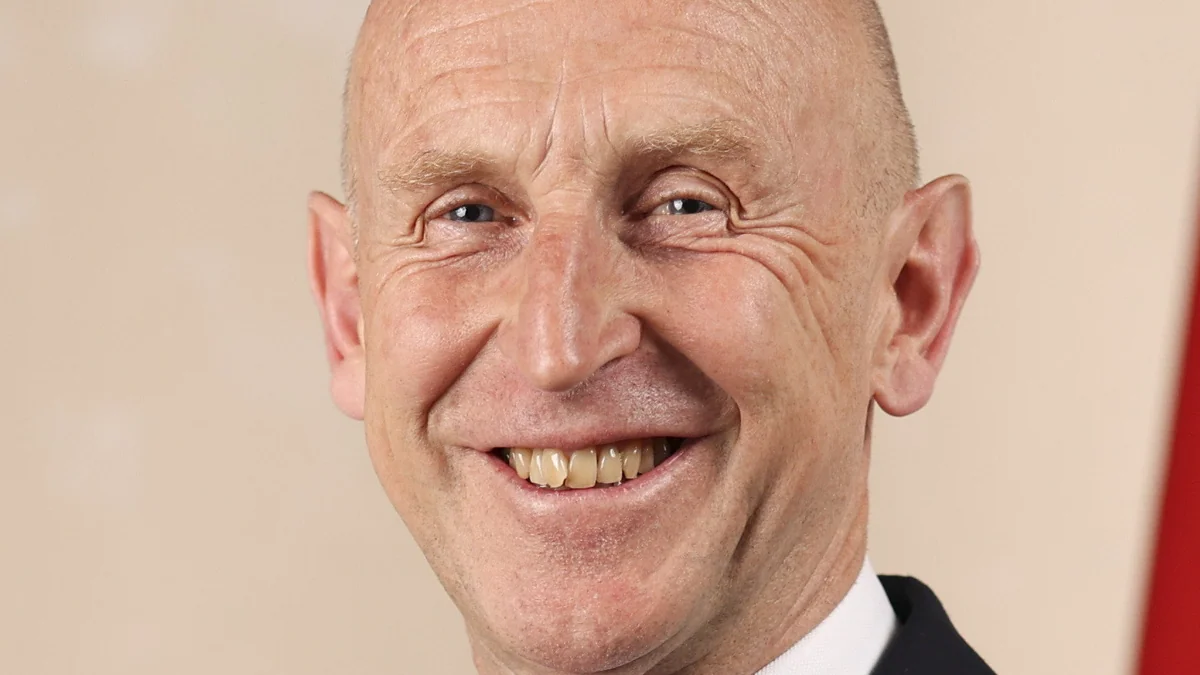
Mark October 28 on your calendar. That is when John Healey, Britain's Chancellor of the Exchequer, will stand up and tell the country how it plans to pay its bills. He moved the budget date forward to October deliberately, an early signal that inflation is the enemy he wants to engage before it digs deeper into household costs.
The man behind the Healey tightrope is not a City economist. Healey is a former trade unionist and TUC communications officer, which means his instincts were shaped by collective bargaining tables, not trading floors. That background matters, because the choices ahead are not technical puzzles. They are questions about who absorbs the pain.
The context around him has changed fast. Andy Burnham became Prime Minister in July 2026, and the shift reset Treasury priorities almost immediately. Burnham came in with a Northern-focused agenda, a different set of promises, and a different political constituency to protect. Healey inherited those commitments along with the fiscal arithmetic.
On September 7, Healey gave a major speech framing October 28 as an "economic acceleration" moment. The language was optimistic. The numbers underneath it are harder. The UK faces a £96 billion unfunded spending gap, with fiscal headroom already narrowed to £24 billion. That is the tightrope: promise acceleration, deliver it inside a space that has almost no margin for error.
This budget will not settle everything. But it will reveal what this government actually believes, as opposed to what it has said it believes.
The Arithmetic No One Wants to Read Aloud
The number at the center of this budget is £96 billion. That is the unfunded spending gap Healey must address on October 28. Not a rounding error, not an accounting technicality — a structural hole in the public finances that predates him and will outlast him if left unaddressed.
The room he has to work with is £24 billion. That is the fiscal headroom remaining after borrowing costs rose through the first half of 2026, with gilt yields hitting 5.29% in mid-2026, the highest since 2008. When the gap is £96 billion and your margin is £24 billion, the arithmetic is not in your favor.
Then add the context. UK debt is now three times the size it was during the Blair and Brown governments. Healey worked inside that Treasury. He knows the difference. Back then, the government was borrowing against a relatively clean balance sheet. Today he is borrowing against a country that has already borrowed heavily, at higher rates, into a turbulent bond market still nervous from what Liz Truss did in 2022.
Each pound of headroom that shrinks is a pound that cannot reach a school or a clinic. That is not a metaphor. It is the mechanism. When borrowing costs rise, the Treasury spends more on debt interest and less on everything else. Every decimal point on the gilt yield is a policy choice someone else made, arriving as a constraint on the choices Healey can make now.
Do the arithmetic, and the budget tightrope becomes visible. It is narrow, it is exposed, and the wind is not gentle.
How a Conflict Thousands of Miles Away Is Pricing British Schools
Gilt yields hit 5.29% in mid-2026. That figure sounds like a finance seminar topic until you understand what it actually means: every fraction of a point the UK pays more to borrow is money that does not build a school, does not hire a nurse, does not fix a road in Leeds or Sunderland. The last time borrowing costs reached this level was 2008. Most people remember what came next.
Part of what is driving this is a conflict involving Iran. Bond markets are not sentimental. When global investors get nervous, they move money, yields spike, and the cost of running Britain rises before a single budget line is written. The Treasury cannot control what happens in the Middle East. It can only absorb the consequences.
Those consequences land directly on fiscal headroom — Healey already has only £24 billion of room to maneuver against a £96 billion gap, and higher gilt yields shrink that further, quietly, continuously. There is no dramatic moment — just a number getting smaller every week.
And then there is the ghost of Liz Truss. Her 2022 budget triggered a bond market spiral that is still discussed in the Treasury like a cautionary tale told to new staff. Healey knows the investors watching October 28 are the same investors who fled then. One poorly received announcement, one hint that the numbers do not add up, and the yield curve does the rest. That is not an abstraction. That is the practical ceiling on everything the government wants to do domestically. It is why a war neither caused nor desired by British households is deciding what their children's classrooms look like.
It is why a war neither caused nor desired by British households is deciding what their children's classrooms look like.
Guns or Groceries: The Choice Healey's Budget Cannot Avoid
There is a moment John Healey knows well. A ministerial folder on the desk, a column of numbers, and the quiet recognition that the money simply isn't there. He lived it before — and resigned as defense minister because of it. Now he is back, this time holding the whole budget, and the same folder is open again.
The immediate shortfall in the defense budget is £5 billion. Not a projected gap. Not a future pressure. A hole that exists right now, before October 28, before a single line of the budget is written. And the government has already committed to raising defense spending to 3% of GDP by 2030. That commitment was made when gilt yields were lower and fiscal headroom was wider. Neither is true anymore.
The headroom left to work with is £24 billion — and that has to cover everything. Schools, social care, housing, the NHS waiting lists that have become a kind of permanent national emergency. Defense is not competing for discretionary spending. It is competing with all of it.
Here is the arithmetic of a tightrope. Every pound that flows toward the 3% target is a pound that cannot hold a care worker's salary or keep a family warm. There is no version of this budget where those choices disappear. Healey knows what it looks like when resources don't match commitments — he stepped away from government over exactly that. The difference now is that he cannot step away. He has to decide what goes without. On October 28, the country finds out what he chose.
Five Hundred Businesses and a Bet That the North Is Not a Footnote
The British Business Bank is deploying £150 million into Northern England. Not London. Not the golden triangle of Oxford, Cambridge, and the capital. The North.
The "Northern 500" puts that money specifically behind mid-sized businesses outside the south, the kind of companies that have spent decades watching investment flow past them toward the M25. Five hundred businesses. Real firms, real payrolls.
Compare this to what came before. For thirty years, Treasury logic treated London's growth as a tide that would eventually lift all other boats. It did not. The boats in Sunderland, Bradford, and Middlesbrough are still waiting.
Burnham's regional agenda is a deliberate break from that model. His move from Manchester to Downing Street carried the politics of the North with it, and Healey's first budget is expected to encode that shift in spending decisions rather than just speeches.
But promises and disbursements are different things. A £150 million package announced is not £150 million invested. The measure is whether the money actually moves, whether a family business in Wakefield can access it without navigating three tiers of bureaucracy, and whether the jobs it creates are still there in five years.
The historical analog is not encouraging. Regional funds under previous governments came with fanfare and dissolved quietly. The Northern 500 is a bet that this time the architecture is different. October 28 will tell us whether Healey is building that architecture or inheriting the same old blueprint with a new coat of paint.
What October 28 Will Actually Settle — and What It Won't
Andrew Griffith, the Conservative Shadow Chancellor, has been blunt: the budget risks raising taxes on ordinary families. He may be right. With £96 billion in unfunded commitments and fiscal headroom down to £24 billion, someone pays. The question is who.
What October 28 will confirm is the broad revenue strategy. Wealth taxes have been floated, but the specific thresholds and mechanisms remain publicly unconfirmed. Healey has not shown his hand on this. Until the actual document lands, "wealth tax" is a direction, not a policy.
What it will not settle is sequencing. The £5 billion defense gap is immediate. Social care waiting lists are not getting shorter. The Northern 500 investment is welcome, but £150 million does not move a broken housing market. Healey cannot fund all three adequately inside £24 billion of headroom, and the budget will force a visible priority order.
Watch for three things when the document drops. First, where defense sits relative to domestic spending — that tells you whose pressure Burnham's government fears more. Second, whether wealth tax thresholds appear as firm figures or consultation proposals, because the latter means another six months of uncertainty. Third, the gilt market's reaction in the 48 hours after, because 5.29% yields are not just a number; they are the ceiling on every promise in that document.
October 28 is a beginning, not an answer. The Healey tightrope does not end when the budget speech does — it runs the full length of this parliament, narrow, exposed, and watched by the same bond markets that have already decided how much room Britain has to move. Read the small print. That is where the real choices will be.