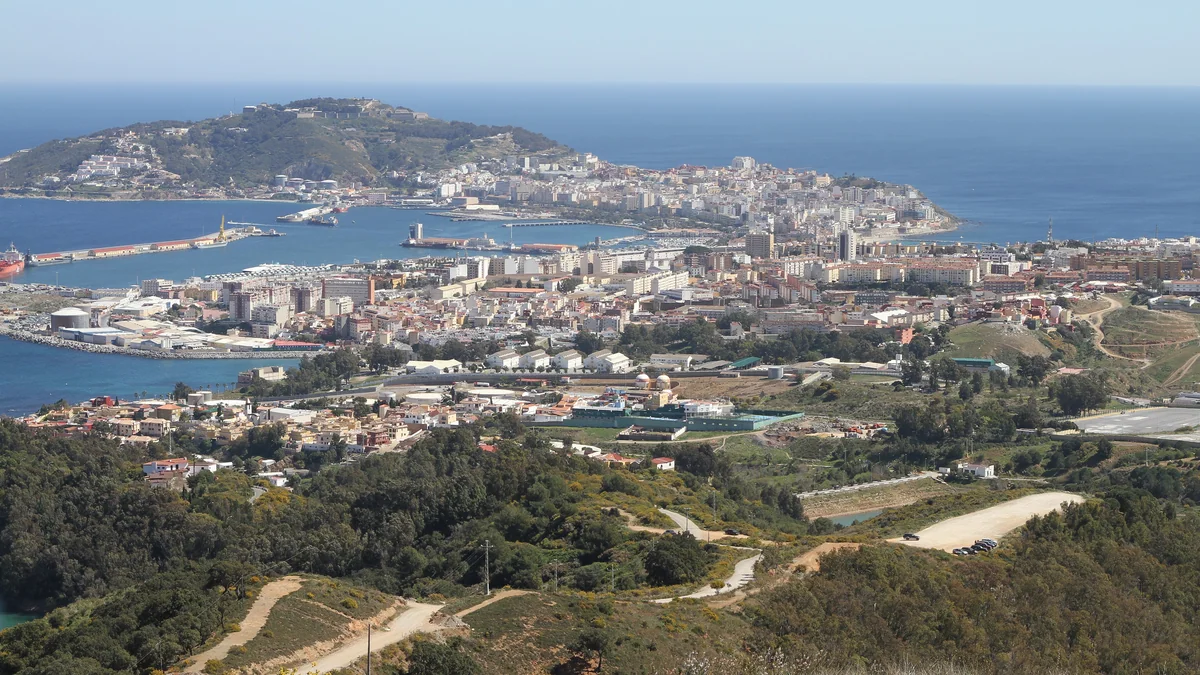
Ceuta and Melilla, Spain's North African exclaves, serve as the only land borders between the EU and Africa. In 2026, a surge of 78,000 arrivals in one week exposed the fragility of the EU Pact on Migration and Asylum, triggering a reciprocal suspension of Schengen travel between Madrid and Rome.
The Mediterranean border fracture is the structural collapse of EU boundary logic where the ideals of free movement collide with the hard perimeter of the North African coast. In 1995, I watched the borders of the old world dissolve in a Brussels basement where the first Schengen ink was still wet. The ink was expensive, even if the paper was thin.
It is time to look at the map again. These Spanish exclaves represent the primary friction points where the European project shares a property line with the global south. When the great powers in Madrid and Rabat disagree, the valve is turned and the small-nation floor begins to shake.
Seven Days in Ceuta: The Statistics of Collapse
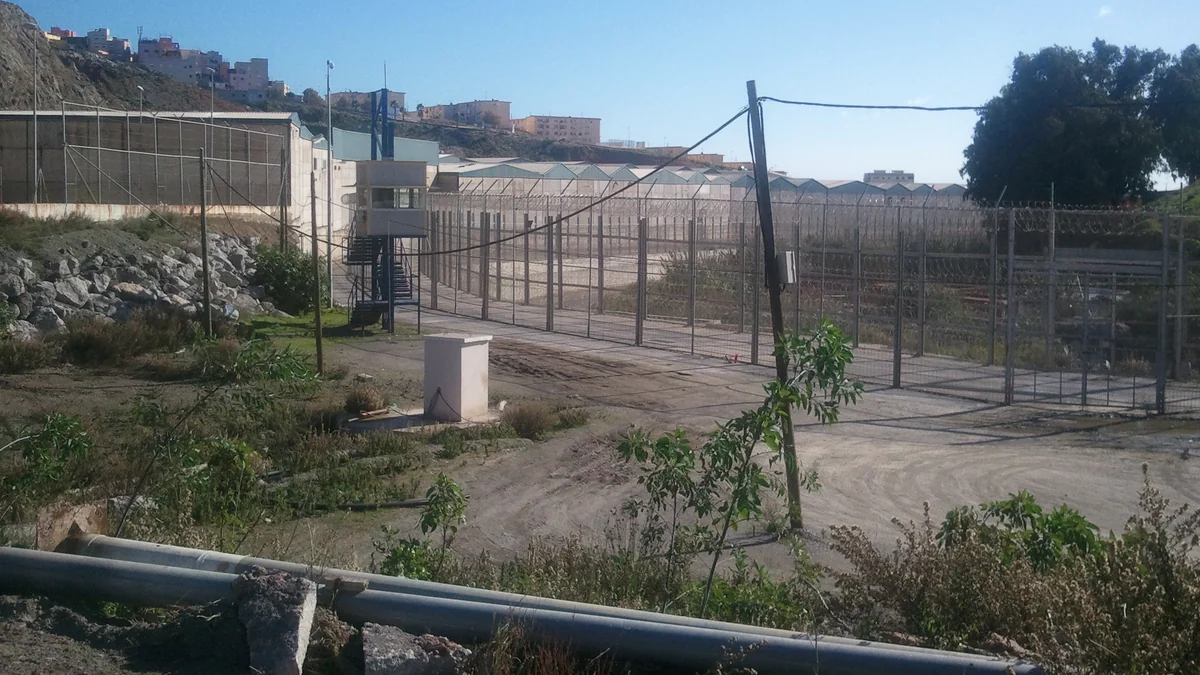
The wire says migration surge. The statistics from Ceuta say something colder: approximately 78,000 people crossed from Morocco in the single week starting July 30, 2026. This was a concentrated breach that left 111 people dead in the water and on the fences.
Local government leader Juan Jesús Vivas described his reception centers as collapsed and saturated. He requested a national emergency declaration to manage the sudden weight on the exclave's infrastructure. Small territories are rarely equipped for the shocks of great power friction.
By August 3, approximately 70,000 individuals had already returned to Morocco, suggesting a mechanism of entry and exit that serves interests beyond simple asylum. Yet nearly 1,400 minors remain under Spanish care in Ceuta, the static residue of a high-velocity event. These figures represent the failure of the EU Pact on Migration and Asylum to insulate its most vulnerable edges.
When a court removes a dam, the state sends soldiers to act as the sandbags.
The Mediterranean Border Fracture: The Judicial Breach
Spain's Supreme Court recently ruled that migrants stopped at sea cannot be summarily returned without due process, which is the load-bearing wall of this crisis. To a Moroccan official, a European court ruling is not a victory for human rights but a strategic opening. Rabat watches Madrid's diplomatic interactions with Algeria and reacts by thinning the line at the fence.
A single judicial sentence in Madrid can trigger the movement of seventy-eight thousand people in a single week. Interior Minister Fernando Grande-Marlaska traveled to Ceuta to oversee the transition to a military posture where the Armed Forces reinforce the Civil Guard. Somewhere a spreadsheet was quietly updated to reflect the cost of this new, permanent militarization.
The Schengen Contagion: A Reciprocal Disintegration
On July 30, 2026, Italy suspended the Schengen free-movement agreement for all air and sea travel arriving from Spain. Rome cited security risks, a phrase that usually serves as the decorative molding for political panic. Italy already maintains separate internal border checks with Slovenia, proving that once a barrier is raised, the hinges tend to rust shut.
Madrid did not wait long to answer. The Spanish government issued an ultimatum: if Italy failed to remove the entry checks before Sunday, August 9, Spain would adopt "proportionate measures." By midnight on August 8, the threat became a ledger entry.
Now, Italian passengers and non-EU visitors arriving from Italy face mandatory passport and visa checks. When Rome and Madrid trade blows, the idea of a borderless Europe becomes the furniture being moved out of the room. We are watching the load-bearing wall of integration being dismantled by the very people paid to maintain it.
The Brussels Ledger: Why Global Trends Mismatch the Map
Brussels lives by the aggregate. While irregular crossings into the EU reportedly fell by forty percent in early 2026, detections on the Western Mediterranean route rose by nearly fifty percent. The statistics of a general decline mean nothing to a town facing seventy-eight thousand arrivals in a single week.
Magnus Brunner, the EU Migration Commissioner, suggests criminal networks used disinformation to trigger the Ceuta surge. This script allows the center to blame the shadows rather than admit that a pact fully implemented in June was hollow by July. When the dam broke, the Czech Republic officially requested that Spain be suspended from the Schengen Zone.
Spain, once the gatekeeper of the south, now finds itself the pariah of the east. This is the structural reality of the Schengen system: pull the load-bearing wall and the entire decorative molding of European unity begins to fall.
The September Marker: Watching the Walls
Rome has set the first clock, with its suspension of Schengen travel remaining in effect until at least August 15, 2026. Madrid responded with a longer horizon, scheduling its retaliatory border controls to remain in place until September 7. This three-week gap is the space where Mediterranean diplomacy will either hold or finally buckle.
The pressure on Prime Minister Pedro Sánchez is now a matter of domestic survival. Opposition leader Alberto Núñez Feijóo has categorized the Ceuta breach as a national security crisis, counting the cost of the 1,400 minors remaining in saturated centers. For the state, the border is no longer a line on a map but a political liability.
If Rome extends its suspension beyond the August marker, the Schengen system has moved from a temporary crisis to a structural failure. The Mediterranean border fracture is no longer a localized event; it is the moment the great powers of the south decided the internal border was more valuable than the union it was built to sustain.