The Great Diplomatic Retreat describes the 2026 U.S. policy shift involving the closure of diplomatic missions in key ally nations, including Canada and Japan. This strategic withdrawal marks a transition toward isolationism, creating geopolitical vacuums that challenge the stability of the established post-war international order.
The Great Diplomatic Retreat represents a calculated American withdrawal from strategic global alliances that threatens the structural integrity of the international system. In 1915, the Royal Serbian Army trekked through Albanian mountains to save a nation’s sovereignty. Washington is now withdrawing to save a budget line.
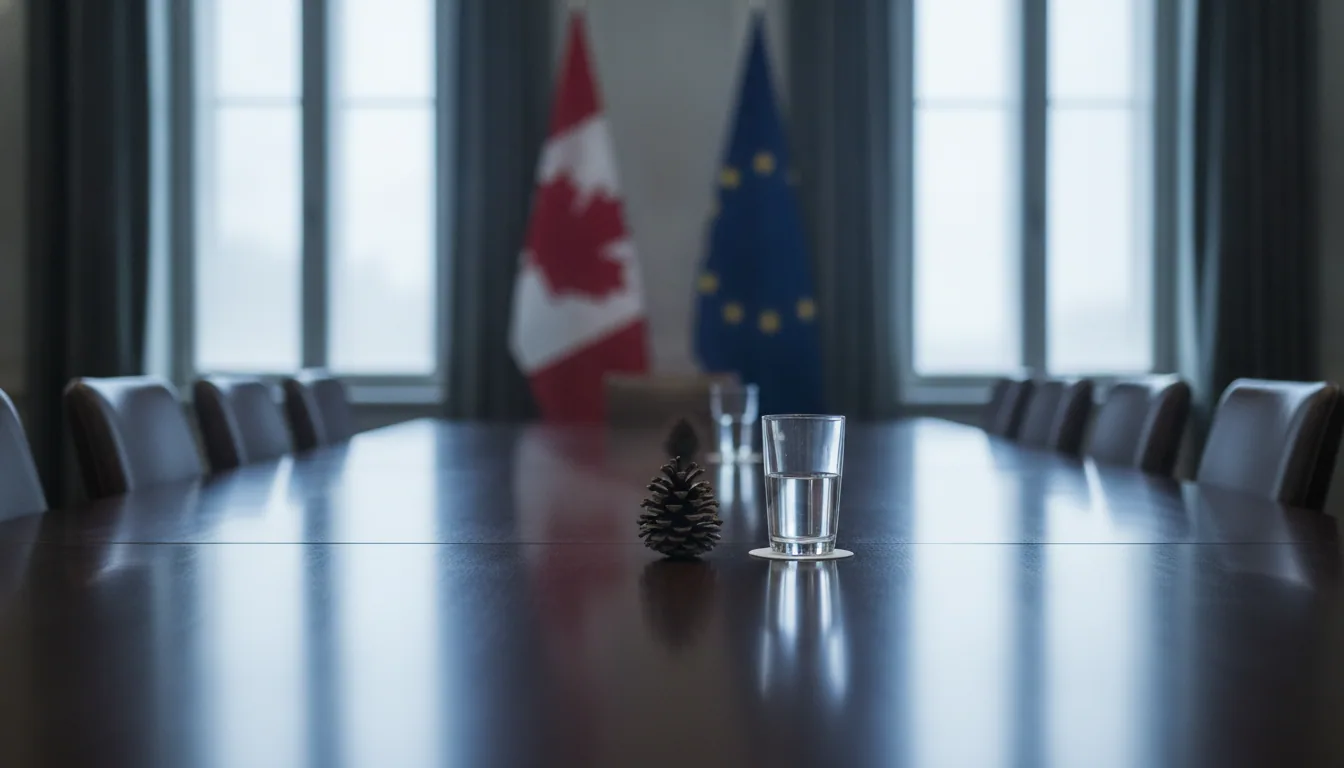
A geopolitical vacuum is never a neutral space. Shuttering consulates in Ottawa or Tokyo signals that the special relationship was merely decorative. If the United States ceases to show up, the post-war order will buckle.
This retreat is the load-bearing wall of a new, isolationist American posture. Everything else is molding. Somewhere a spreadsheet was quietly updated to reflect the cost of silence.
The Desk in August: Watching the Map Fade
The view from the desk in August is often one of managed silence. On May 18, 2026, the USC Center on Public Diplomacy identified a "diplomatic corps in retreat." This was a calculated structural choice made while the map of global presence lost its ink.
Social media carries unverified claims that U.S. consulates in Indonesia are next for the ledger. For a small nation, the rumor of a closing gate is never just noise. It is the sound of a heavy window being shuttered before a storm.
In Nigeria, the U.S. Embassy has published its specific holiday closure dates through the end of 2026. These lists feel like a countdown to a final departure. A vacuum starts with the steady silencing of dial tones in empty hallways.
A power that stops showing up ceases to exist for those on the floor.
The Great Diplomatic Retreat and the Neoliberal Shift
Neoliberalism has dismantled the mass organization party, the mechanism that once mediated between capitalism and the citizen. When this mediation fails, the state loses its internal load-bearing wall. A hollowed structure can no longer support a global reach.
Mission closures in Ottawa and Tokyo are not just strategic pivots. A party that no longer represents a coherent mass of people cannot sustain the heavy bureaucracy of empire. In this structural collapse, diplomacy is downgraded to mere molding.
The state retreats from its borders because it has already retreated from its own people. When the internal structure fails, the external mission becomes unsustainable. We are watching the architecture of the post-war order being stripped for parts.
The Price of the Borderland
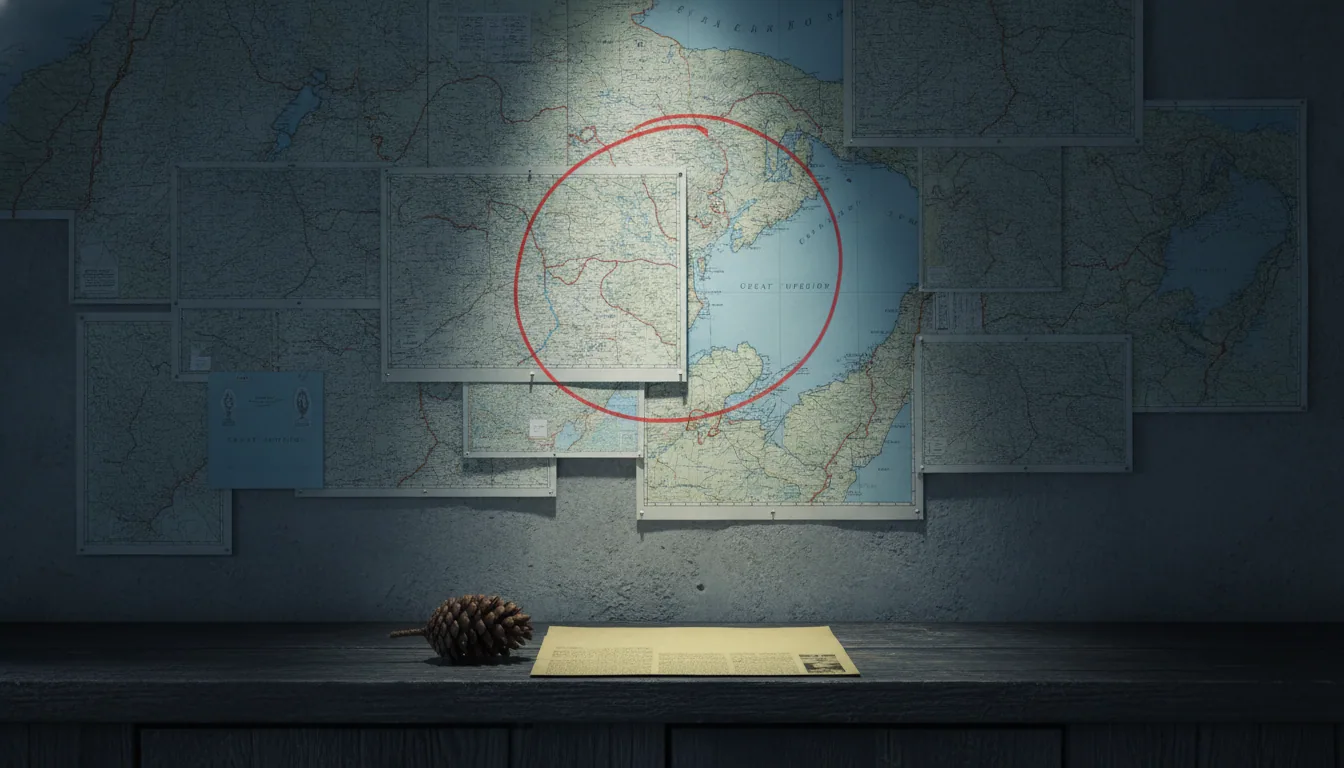
A map in a quiet room tells a story of absence. In the borderlands, a closed consulate is a physical signal that the empire has stopped watching the door. Neighbors then begin the quiet work of recalculating their allegiances.
David G. Russell’s research shows that political violence in transition zones has increased as the stabilizing presence of the center has shortened. Conflict does not simply relocate when a stabilizer leaves; it diffuses across the map. This increases the spatial extent of violence rather than just moving the front line.
Power vacuums are inherently violent. Global political violence mirrors these regional cycles of instability, which rose as the post-Cold War order frayed. The geography of risk expands across small nations when the diplomatic corps retreats.
The Shamakhi Benchmark: Ambition in a Vacuum
In 1991, the Soviet center dissolved until the phones in Moscow ministries simply rang in empty rooms. The Shamakhi Retreat in Azerbaijan serves as a benchmark for this centerless landscape. It is a test of climate ambition conducted in a room where the traditional chairs are vacant.
For small nations, the road to COP31 has become a survival exercise without a guarantor. When the empire stops answering the phone, borderland states must navigate the vacuum with precision. The Western wire often launders this survival as mere sentiment.
The difference between "shall" and "should" in an Azerbaijani communiqué is the difference between a load-bearing wall and decorative molding. If the text softens, it signals that the retreat has reached the air we breathe. The document becomes merely furniture.
The Accuracy of the Void
The irony of 2026 is the precision of our tools compared to the blurring of our strategic borders. While the American diplomatic presence retreats, the Pierre Auger Observatory uses the shadows of the Moon to map 10.6 million cosmic ray events. We catalog the Southern sky with a rigor we cannot apply to our own crumbling treaties.
Geopolitical power follows a logic similar to fluid transport at the nanoscale. When an empire pulls back its consulates, it creates a localized drag that the Western wire launders as "efficiency." This removes the structural lubricant that prevents the friction of the borderland from sparking.
The retreat is finally measured in the silence of the ledger and the locked gate. On October 1, the U.S. Embassy in Abuja will close for a scheduled holiday. Watch the reopening; if staff levels do not return, the Great Diplomatic Retreat has moved from policy rumor to engineering fact.