Schengeni murenemine: Itaalia ja Hispaania vaheline piiriblokaad occurred on August 1, 2026, when Italy suspended free movement with Spain following a surge of 60,000 migrants into Ceuta. Rome re-introduced border checks for Spanish arrivals, effectively prioritizing national security over the 1985 treaty and signaling a major fracturing of the European border regime.
The Day Ceuta Swallowed a City
In August 1991, the freighter Vlorë arrived in Brindisi with twenty thousand Albanians clinging to its masts. I watched the grainy wire footage from Moscow, noting how the Italian authorities treated a single ship as a terminal crisis for the state. The breach at Ceuta on July 30, 2026, represents a structural collapse rather than a demographic accident.
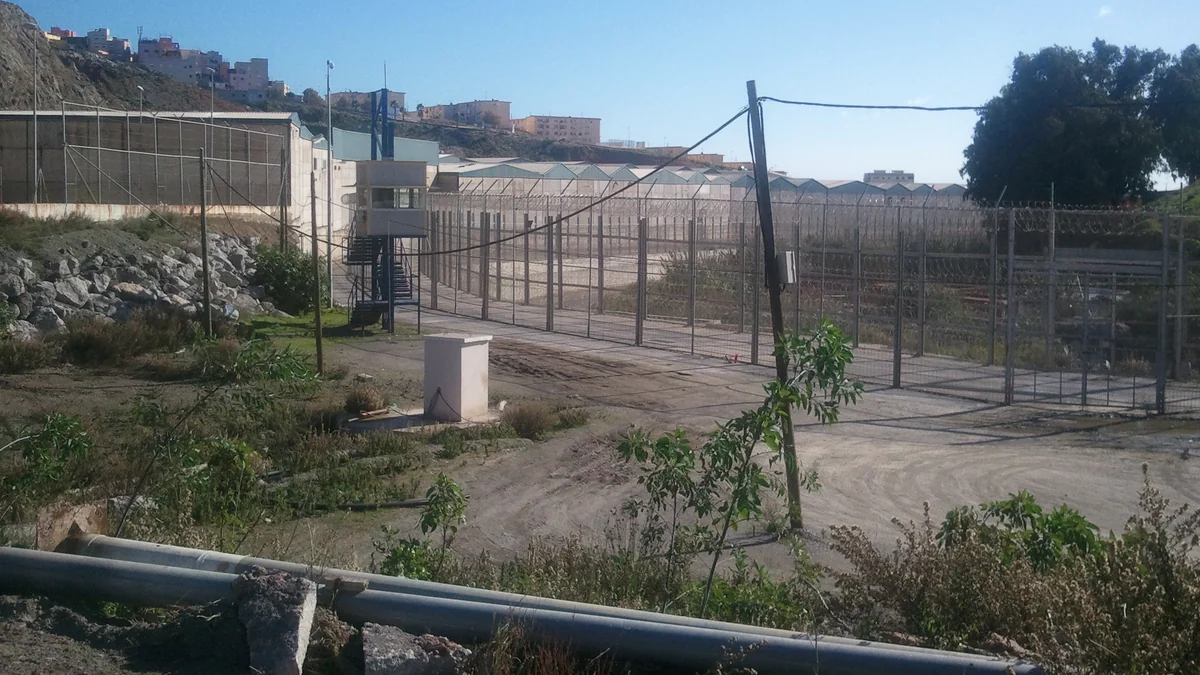
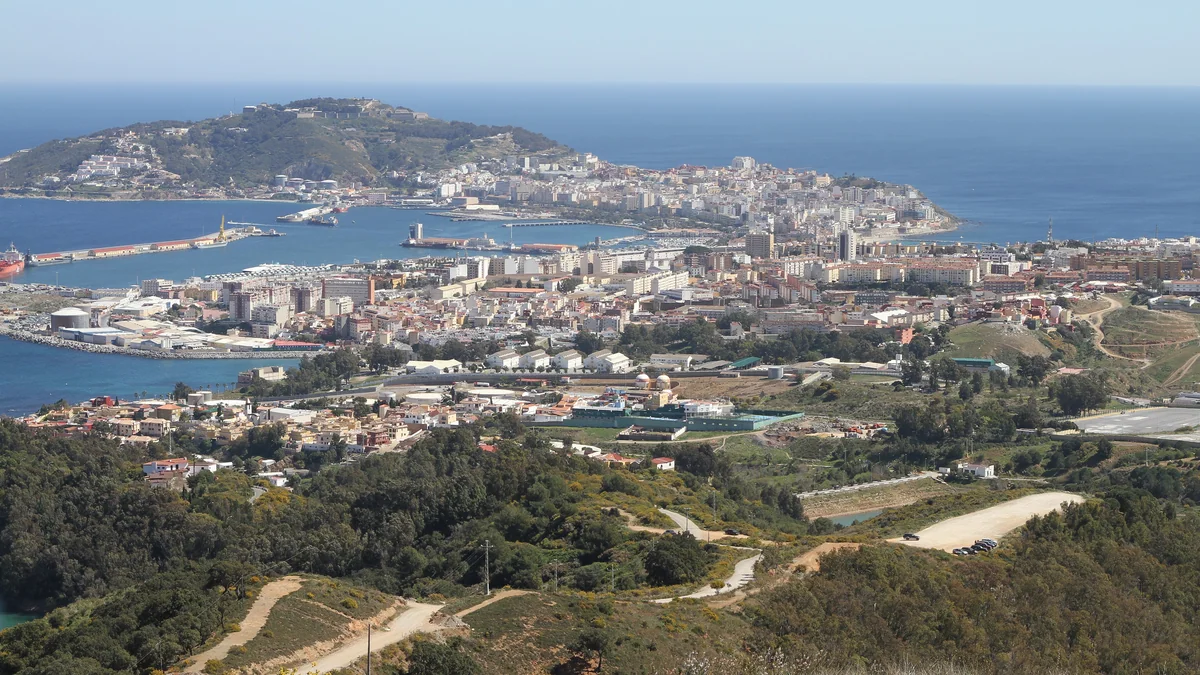
Approximately 60,000 people crossed from Morocco into the Spanish enclave within a single twenty-four-hour window. For the city of Ceuta, this was an influx equivalent to 70 percent of its total population arriving between sunrise and sunset. The human cost remains high, with early reports placing the death toll between 34 and 67 individuals.
In the map room, these numbers indicate a system pushed beyond its physical limit. While the Spanish military moved to reinforce the perimeter, the event had already punctured the myth of the secure external frontier. This failure stems from the delusion that a border is a line on a map rather than a function of great-power permission.
The Ledger of Suspension: Rome and the Schengeni murenemine: Itaalia ja Hispaania vaheline piiriblokaad
On August 1, 2026, the Italian government activated the initial 30-day clock on the suspension of free movement across the Mediterranean. By reintroducing checks for Spanish arrivals, Italy has effectively re-established the wall along Mediterranean routes for the duration of the holiday peak. The 1985 Luxembourg Agreement has, forty years later, dried into a series of detachable segments.
Matteo Piantedosi’s Interior Ministry designed a bureaucratic surgical strike to dismantle the principle of secondary movement between major Mediterranean economies. These checks target "third-country nationals," turning the arrival gate into a filter that separates the mobile European from the scrutinized traveler. In Rome, a spreadsheet was updated to reflect that a rift with Madrid costs less than an unpoliced border.
Italy’s Foreign Minister, Antonio Tajani, views Spain’s legislative proposal to grant residency to 500,000 undocumented migrants as a dangerous "pull factor." To Rome, this turns a North African enclave into a continent-wide liability for every state with a coastline. The diplomatic response in Madrid followed the ritualized, yet hollow, script of Mediterranean friction.
The optimism that built the Schengen Agreement has been eroded by thirty years of Mediterranean crises that turn every coastal enclave into a point of failure for the entire European project.
The Small-Nation Floor: Tallinn and Paris Look South
The French response followed a familiar choreography of imperial management. While President Emmanuel Macron offered public solidarity, his Interior Ministry increased surveillance and controls on the land border with Spain. France turned the Pyrenees into a filter while the cameras were still rolling.
The news reached Tallinn as a structural threat. Estonia officially expressed its opposition to Italy’s decision, recognizing that for a state on the edge of an empire, the rules are the only geography that matters. When a borderland like Ceuta is overwhelmed, small nations know they are never far from the bargaining table.
The distance between the Mediterranean and the Baltic feels shorter than the laundered wire copy suggests. The Italian text calls the blockade a "necessary choice" to protect the state, revealing the load-bearing wall of the Schengen Agreement. Pull that wall, and the rest is just furniture.
The Geography of the Borderland: Morocco’s Desperate Export
In 1991, the Soviet perimeter did not fail because of a lack of guards, but because the center could no longer sustain the periphery. Today, Morocco’s youth unemployment rate is the true architect of the Ceuta breach. We are witnessing a desperate export of human potential from a kingdom that cannot sustain its youth.
Prime Minister Pedro Sánchez responded with military and police reinforcements in a visible show of force. This is decorative molding designed to reassure a nervous domestic audience, as soldiers cannot arrest a structural tide. By July 31, 2026, approximately 48,300 of those who entered had already returned to Morocco.
The surge was eventually met by the quiet efficiency of the bureaucratic ledger. The borderland remains trapped between the needs of the empire and the economic desperation of the street. This is a position we in the Baltics understand by instinct.
The Survival of the Nation-State
EU ambassadors have scheduled an emergency meeting to interrogate the mechanism of the external frontier. The survival of the agreement now depends on the weight of a single auxiliary verb in Brussels. Diplomats must decide if the law is a load-bearing wall or just decorative molding.
Data from the ground supports the sense of structural failure. When an influx equals 70 percent of a city's population in a day, the administrative machinery of any state will seize. Foreign Minister Antonio Tajani justified the blockade as a move to prevent uncontrolled migrant flows and the threat of terrorism.
Watch the language of the EU's external frontier audit due on August 25. If the final text identifies a "structural deficiency" in the Spanish response, Rome will likely extend its blockade through the autumn. The Schengeni murenemine: Itaalia ja Hispaania vaheline piiriblokaad has already revealed the moment when European unity is stripped away to reveal the survival instinct of the nation-state.