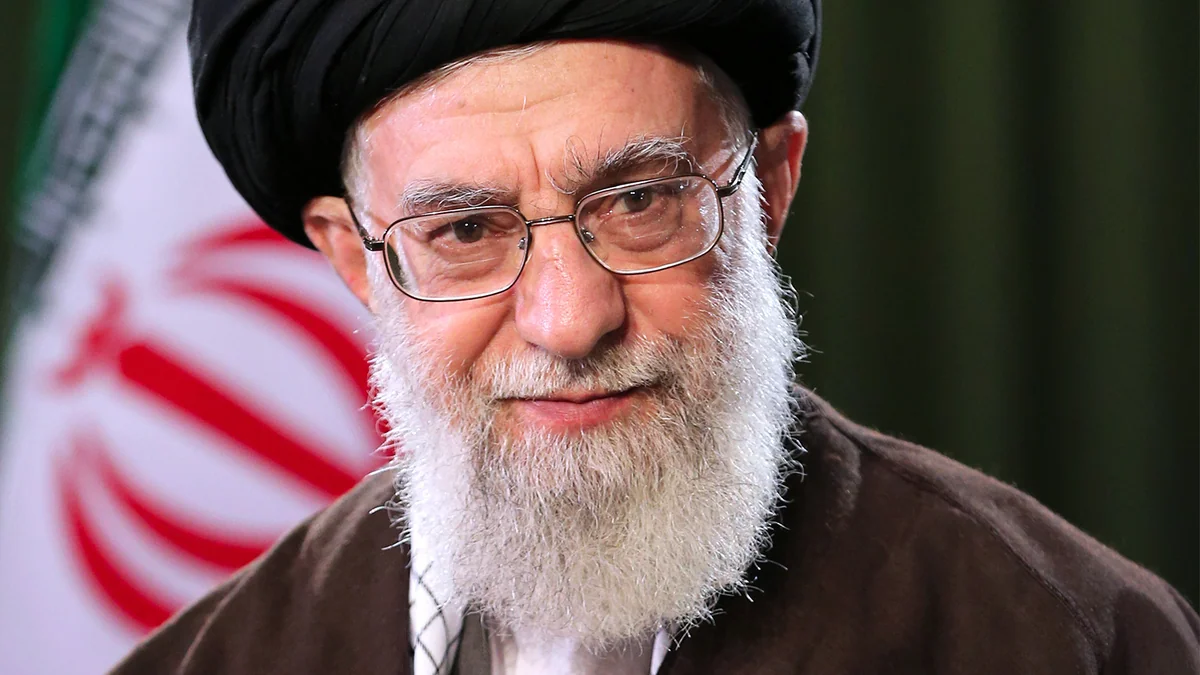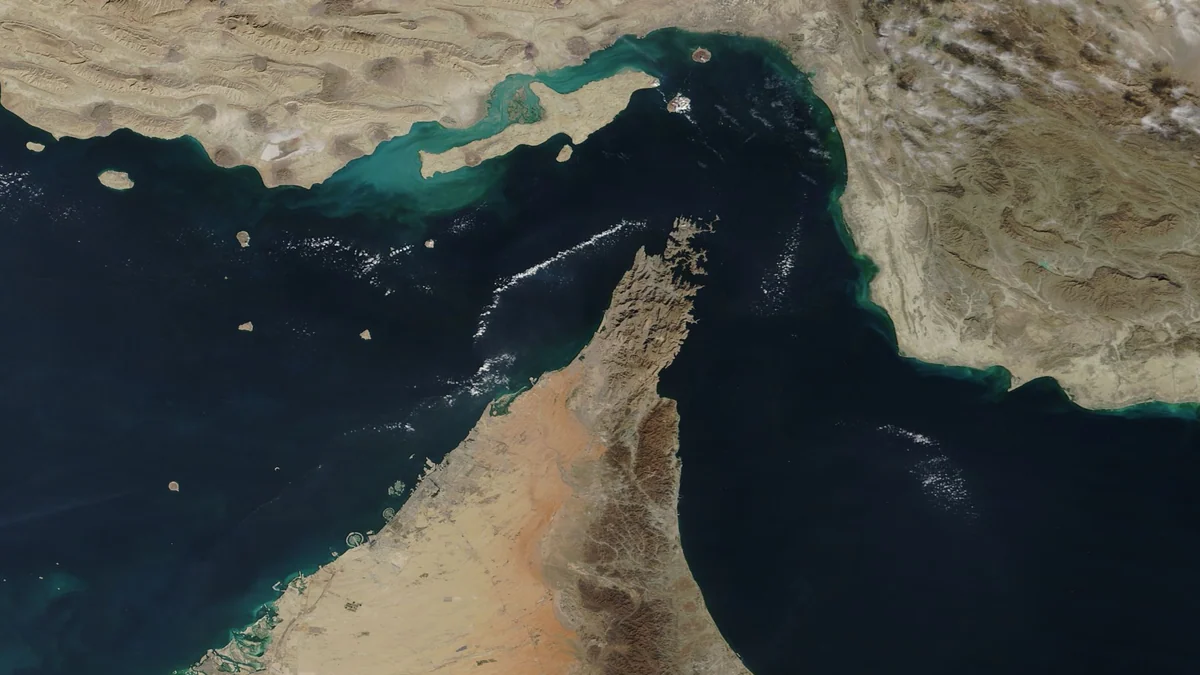
Following the 28 February 2026 strike that killed Ali Khamenei, Iran entered a critical leadership transition. While Article 111 mandated an interim council, the IRGC pressured the Assembly of Experts to install Mojtaba Khamenei. This move transformed the Islamic Republic into a hereditary system under military supervision during active conflict.
Iran's power vacuum after Khamenei was filled not by a spiritual shift, but by a military consolidation of power following a precision strike on his Tehran residence.
In August 1991, the coup plotters in Moscow released their communiqué at six in the morning and by evening ordinary Muscovites were standing on tanks. The regime and the street read the same hours differently. That pattern is old, and on 28 February 2026 it ran again.
Ali Khamenei was killed that morning in a US-Israeli airstrike. He was 86 and had held the Islamic Republic together through sanctions and protests since 1989. Someone, working from a detailed map, had drawn a circle around the succession itself.
The state moved quickly to the martyrdom narrative. Funeral processions ran through Tehran, Qom, and Mashhad, then across the border to Najaf and Karbala. A mass funeral is, as one Qom cleric noted, something close to a referendum.
The street did not entirely agree. When the news spread through Tehran, sounds of celebration were heard from apartment windows. Forty-seven years of the Islamic Republic had produced a population that knew exactly how far a window was from a public square.
The strike was designed to fracture the succession. Whether it succeeded is the question the rest of this article examines.
The Constitutional Failure and Iran's Power Vacuum After Khamenei
The mechanism existed on paper. Article 111 mandated the automatic formation of a three-member interim leadership council: the president, the head of the judiciary, and a cleric. The succession question landed in the middle of a live war.
The three men bound together were President Masoud Pezeshkian, judiciary chief Gholam-Hossein Mohseni-Ejei, and Alireza Arafi. Three institutions, three distinct power bases, no hierarchy among them. That assumption had never been tested in 47 years.
The Assembly of Experts convened in emergency session from 3 to 8 March 2026. Eighty-eight clerics, working under an IDF warning, produced a name in six days. The constitution named the offices; the Guards named the man.
The Assembly Under the Gun: IRGC Pressure
The eighty-eight members of the Assembly of Experts convened on 3 March 2026. The real deliberation, as is customary in Tehran, happened elsewhere.
The IRGC applied heavy pressure on Assembly delegates throughout the session. The clerical body holds constitutional authority to elect the leader, but the IRGC holds the guns and the budget. The vote was formal, but the decision was not.
A system built on negation — not the Shah, not hereditary rule, not the dynastic principle — has now reproduced the thing it negated.
External pressure arrived when the IDF's Farsi-language account posted a warning to anyone participating in the meeting. Israel stated they would not hesitate to target the participants. This announcement may have shortened the session.
Inside the chamber, at least two names were considered. Hassan Khomeini, grandson of the revolution's founder, was examined and set aside because he lacked IRGC endorsement. Alireza Arafi was also floated but passed over.
The result leaked before the official declaration. Ayatollah Hosseinali Eshkevari appeared on video stating the name of Khamenei would continue. The name of a dynasty was affirmed by a body built to prevent one.
A Republic Appoints Its First Hereditary Supreme Leader
On 9 March 2026, the Islamic Republic named Mojtaba Khamenei as its third supreme leader. He holds the rank of hojjatoleslam, one grade below ayatollah. He has never held a formal government post of any kind.
The 1979 revolution was founded to abolish the monarchy. The Shah's dynasty was the crime; clerical guardianship was the cure. Forty-seven years later, a father's position passed to a son.
The justification offered was that the late leader had counselled that Iran's top figure should be hated by the enemy. Donald Trump had publicly called Mojtaba an unacceptable choice. The Americans had, without intending to, cast the deciding vote.
Ali Khamenei had reportedly been opposed to his son's succession during his lifetime. He feared the comparison to a monarchy and never permitted the matter to be raised. The IRGC appears to have resolved that objection in his absence.
Governance and the Invisible Figurehead
No verified photograph of Mojtaba Khamenei has been published since the strike. State media have filled that absence with AI-processed video. The constitution does not address what happens when the guardian cannot be seen.
Velayat-e faqih requires a guardian whose physical authority stands visibly between God and the state. No article anticipates software as a substitute for presence. Governance by edited footage is something the Islamic Republic has no name for.
The historical comparison is the Soviet Politburo's management of Brezhnev's incapacity. It held until it did not. When it collapsed, the speed surprised everyone who had read the stability as structural rather than performed.
Watch for the first unscripted, verifiable public appearance by Mojtaba Khamenei. If it does not occur by the end of the Doha ceasefire talks, the evidence forces a stark conclusion. The IRGC is governing Iran without a functioning supreme leader, ensuring that Iran's power vacuum after Khamenei remains occupied by a military shadow.