The Swiss nuclear reversal refers to the country's legislative decision to lift its 2017 ban on new nuclear power plants to ensure winter energy security. This policy shift integrates Switzerland's 41 cross-border interconnectors into a stable European grid, aiming for net-zero carbon emissions by 2050 through reliable base load power.
Switzerland is ending its nuclear phase-out policy to secure 50% of its winter electricity supply and maintain its role as Europe’s central energy battery. At a substation in Laufenburg, three major European power lines met in 1958, creating the "Star of Laufenburg" and the foundation for a synchronized continental grid. Today, this small town remains a vital technical hub for regional stability.
Switzerland functions as a critical European transit hub, woven into its neighbors' systems through 41 high-voltage cross-border interconnectors. While many see the Alps as a physical barrier, engineers see them as a bridge. This network allows power to flow seamlessly between France, Germany, Italy, and Austria to maintain grid frequency.
On March 2, 2026, Swiss Federal President Guy Parmelin and European Commission President Ursula von der Leyen signed a comprehensive electricity agreement. This package ended years of legal friction that threatened regional energy security. The agreement prohibits EU member states from imposing electricity export restrictions on Switzerland, securing the flow of power during peak demand.
For a nation that relies on nuclear power for 30% to 50% of its seasonal demand, this integration prevents winter supply deficits. By lifting the nuclear ban, Switzerland is choosing to maintain its role as a stabilizer for the European grid. Without these 41 lines and the base load power that fills them, the regional transition to renewables would be far more fragile.
Reversing Course: Why the Swiss Nuclear Reversal Happened in 2026
On June 18-19, 2026, both houses of the Swiss Parliament voted to lift the nationwide ban on constructing new nuclear power plants. This move effectively dismantles the central pillar of the 2017 Energy Strategy 2050. The legislative shift was triggered as a direct counter-proposal to the 2024 "Stop the Blackout" initiative.
This citizen-led movement demanded technology-neutral energy security, forcing the government to address potential supply gaps. Energy Minister Albert Rösti became the primary advocate for this change, arguing that nuclear energy is a necessary component for meeting 2050 net-zero climate goals. Parliament chose to prioritize measurable carbon-free megawatts over the ideological consistency of the previous decade.
In 2017, a public referendum established a gradual phase-out of the country's reactors following the Fukushima disaster. That decision reflected a period of high nuclear skepticism. This new policy replaces a rigid ban with a focus on long-term engineering. It acknowledges that reaching net-zero while keeping the lights on requires every available carbon-free tool.
The Parliament chose to prioritize measurable carbon-free megawatts over the ideological consistency of the previous decade.
The 50% Winter Gap: What the Current Reactors Actually Deliver
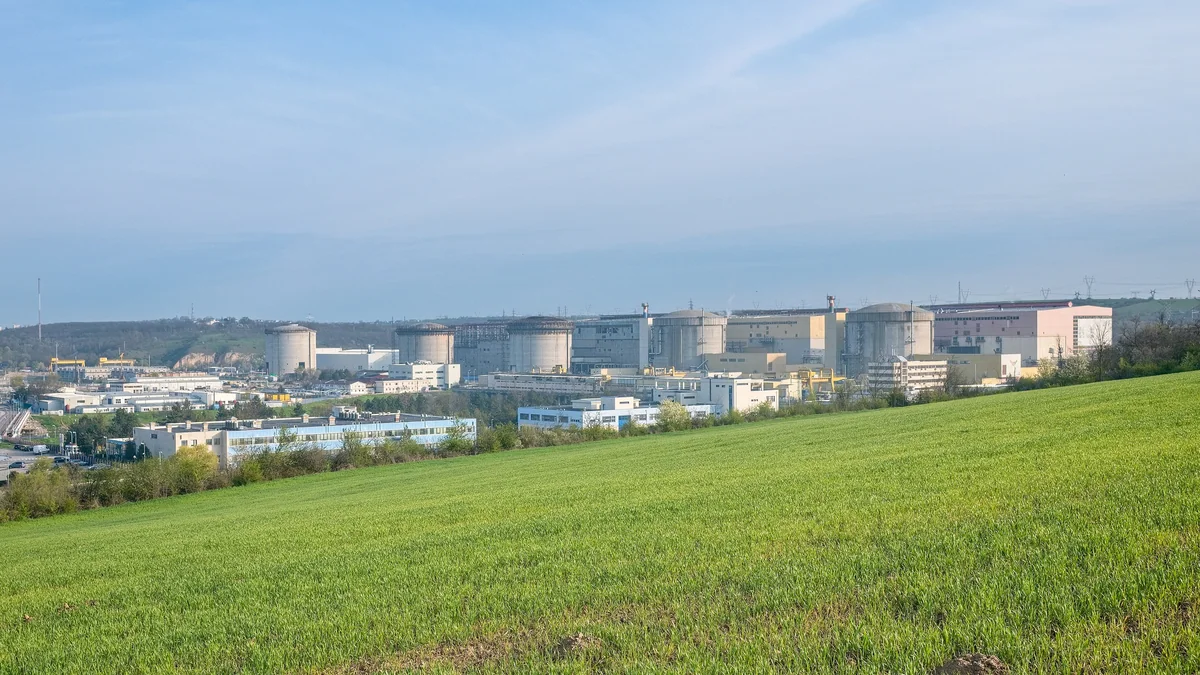
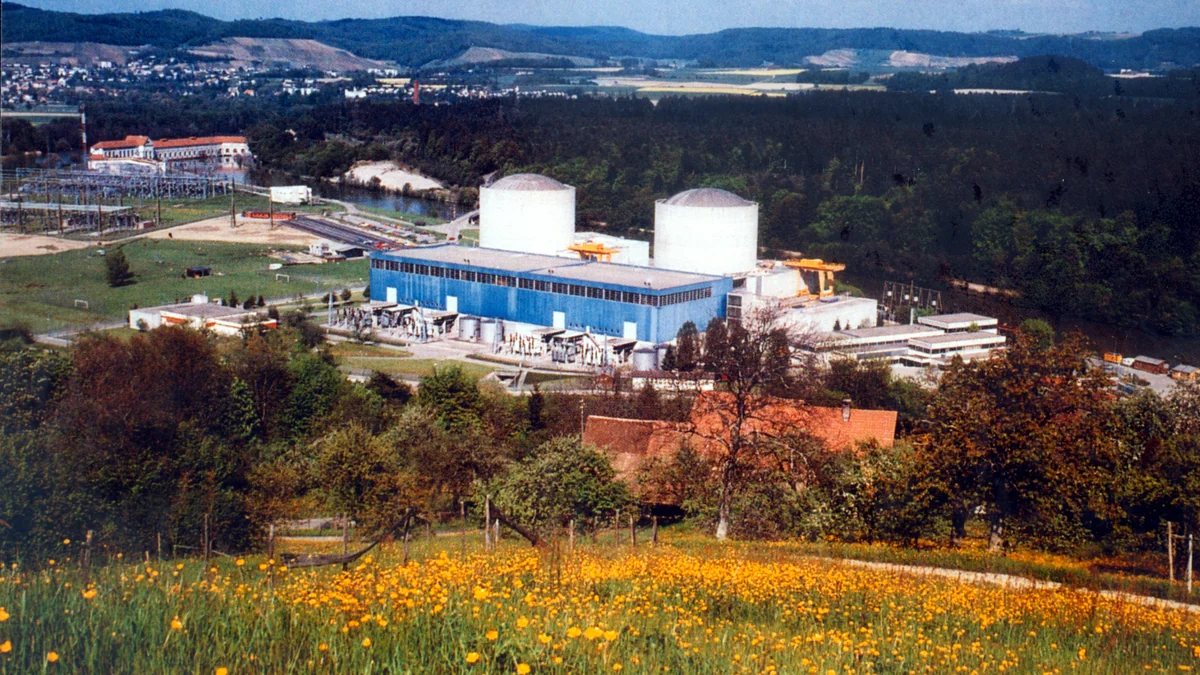
Switzerland currently operates four nuclear reactors at three sites: Beznau, Gösgen, and Leibstadt. On an average day, these machines generate between 30% and 40% of the nation's total electricity production. In the cold months, nuclear energy's contribution rises to 50% of the total Swiss power mix.
This is not a gesture, but a lever that solves the physics of a dark February when solar panels are under snow and hydro flow slows down. Energy Minister Albert Rösti has been clear about the engineering reality. He argues that nuclear energy is a necessary component for ensuring long-term energy security and achieving 2050 net-zero climate goals.
Without this base load, the system lacks the stability required to integrate more intermittent renewables. The current fleet provides a steady pulse that renewables cannot yet match at scale during a winter peak. The three sites at Beznau, Gösgen, and Leibstadt function as the steady heartbeat of the national economy.
The Life-Extension Bill: Buying Time at 1.2 Billion per Unit
Step inside the Beznau facility and you will feel the hum of massive hardware that has outlasted many of its original designers. The Swiss government’s 2026 report confirms that an 80-year operational life is technically feasible for the existing fleet. Experts concluded that these plants can safely operate for eight decades with significant modernization.
Modernizing a single reactor unit is estimated to cost between 700 million and 1.2 billion Swiss francs. That represents about 133 francs for every one of Switzerland’s 9 million residents for just one reactor. Upgrading the current fleet is the most effective lever available to bridge the gap to 2045.
It feels like a high price for hardware that first came online when color television was a luxury. However, this is the bridge that keeps the grid stable while the next generation of carbon-free power is planned. This material science projection provides an honest scorecard for energy security during the transition.
Scale Check: The 2045 Timeline and the Oil Reality
Even with the ban lifted, experts predict that no new reactors will be operational before 2045. That is a nineteen-year gap where the country must maintain its grid stability without a single new megawatt from this policy shift. Switzerland still imports 51.6% of its total energy in the form of oil and petroleum products.
We are planning a mid-century solution for the grid while we continue to burn fossil fuels for heavy transport and industrial heat. External economic pressures, including high tariffs on Swiss goods, make every domestic infrastructure decision more sensitive to capital efficiency. Major utilities Axpo and Alpiq have expressed deep caution regarding the financial risks of new nuclear builds.
Without significant state guarantees, these projects could become massive financial liabilities before they ever split an atom. We must distinguish between the long-term strategy for base load power and the immediate task of replacing imported barrels. The challenge is ensuring the 2045 promise does not become an excuse for 2026 inaction.
Direct Democracy Hurdles: The 2027 Wallet Test
The June 2026 parliamentary vote was a significant legislative shift, but in Switzerland, the floor always belongs to the voters. The Green Party and other groups intend to challenge the decision through a national referendum. A public referendum is now expected in 2027 to determine if this move is a mere gesture or a genuine lever.
To trigger this vote, they must collect 50,000 signatures within 100 days, a task well within their organizational capacity. Despair is just procrastination with better PR, but a plan that ignores the capital cost is equally hollow. Modernizing a single existing reactor at sites like Beznau or Leibstadt costs up to 1.2 billion Swiss francs.
The honest scorecard will be written at the ballot box when voters determine if winter energy security is worth the multi-billion franc bill. Energy Minister Albert Rösti frames nuclear as a necessary lever for the 2050 net-zero targets. Major utilities remain cautious about the potential for massive cost overruns in a nation of 9 million people.
The Honest Scorecard: Base Load Physics
Switzerland reached a population of 9 million inhabitants in mid-2024. For a nation of this size, the Energy Strategy 2050 is a rigorous engineering roadmap for a net-zero transition. Lifting the nuclear ban restores technology neutrality to the national energy mix.
Without firm power, the 41 interconnectors that link Switzerland to the European grid become vulnerabilities during a peak winter deficit. Even so, the country still imports 51.6% of its total energy in the form of oil. This is the real size of the problem that no single vote can fix overnight.
The Swiss nuclear reversal acknowledges that a stable grid requires base load physics rather than political slogans. Our concrete next step is to separate energy science from partisan theater. To meet the 2050 targets, the priority is to fund infrastructure that measurably works, choosing solutions that make both the prosperity and nature lines go up.