The current El Niño human casualty forecast projects 451,000 additional heat-related deaths globally between June 2026 and February 2027. This extreme climate event, fueled by record-breaking sea surface temperature anomalies in the Pacific, disproportionately threatens regions with fragile infrastructure, specifically across the Sahel, Southeast Asia, and Latin America.
The Godzilla Event: Why 2026 Redefines the Climate Record
In the summer of 2026, NASA scientist Bill Patzert reached for the most outsized monster in the cultural imagination: "Godzilla El Niño." This label describes events where sea surface temperature anomalies in the tropical Pacific grow so far beyond normal that standard scientific vocabulary stops being useful. The nickname stuck because the 2026-2027 event is the largest El Niño in at least a thousand years.
NOAA's forecast places peak intensity in December 2026. The Walker Circulation, a vast atmospheric engine, typically reaches its maximum dislocation near the Northern Hemisphere winter solstice. This timing is critical, as heat stress in the tropics can push physiological limits hardest just as the world is distracted by the holidays.
The WMO puts the probability of El Niño conditions persisting through February 2027 at near 100 percent. There is essentially no path in current models where this simply dissipates early. This is not a forecast with uncertainty bars wide enough to hide in; the event is here and it will stay.
How Ocean Warming Triggers Global Weather Shifts
The Pacific Ocean functions as the world's largest thermal engine. When equatorial water warms by a few degrees, it acts like a giant thumb pressing down on the atmosphere's global conveyor belt. This shift, called a teleconnection, reroutes life-sustaining rain thousands of kilometers away from where it is needed most.
According to the WMO, 2025 was one of the driest years in the last 35 years, leaving reservoirs at a critical deficit. We are walking into a historic heatwave with an empty canteen. The landscape has lost its natural ability to cool itself through evaporation, accelerating the thermal crisis.
Extreme physiological heat stress is the primary direct killer, but this El Niño also attacks through slower pathways. Drought ruins harvests in one hemisphere while stagnant water elsewhere becomes a nursery for mosquitoes. This reorganization of Pacific water is rewriting the survival odds for millions of people across three continents.
El Niño Human Casualty Forecast: Why Geography Determines Survival
The Climate Impact Lab has calculated a mortality figure that is impossible to ignore. Between June 2026 and February 2027, they project 451,000 additional heat-related deaths globally. This means the entire population of a city like Tallinn could be erased by the sun in just nine months.
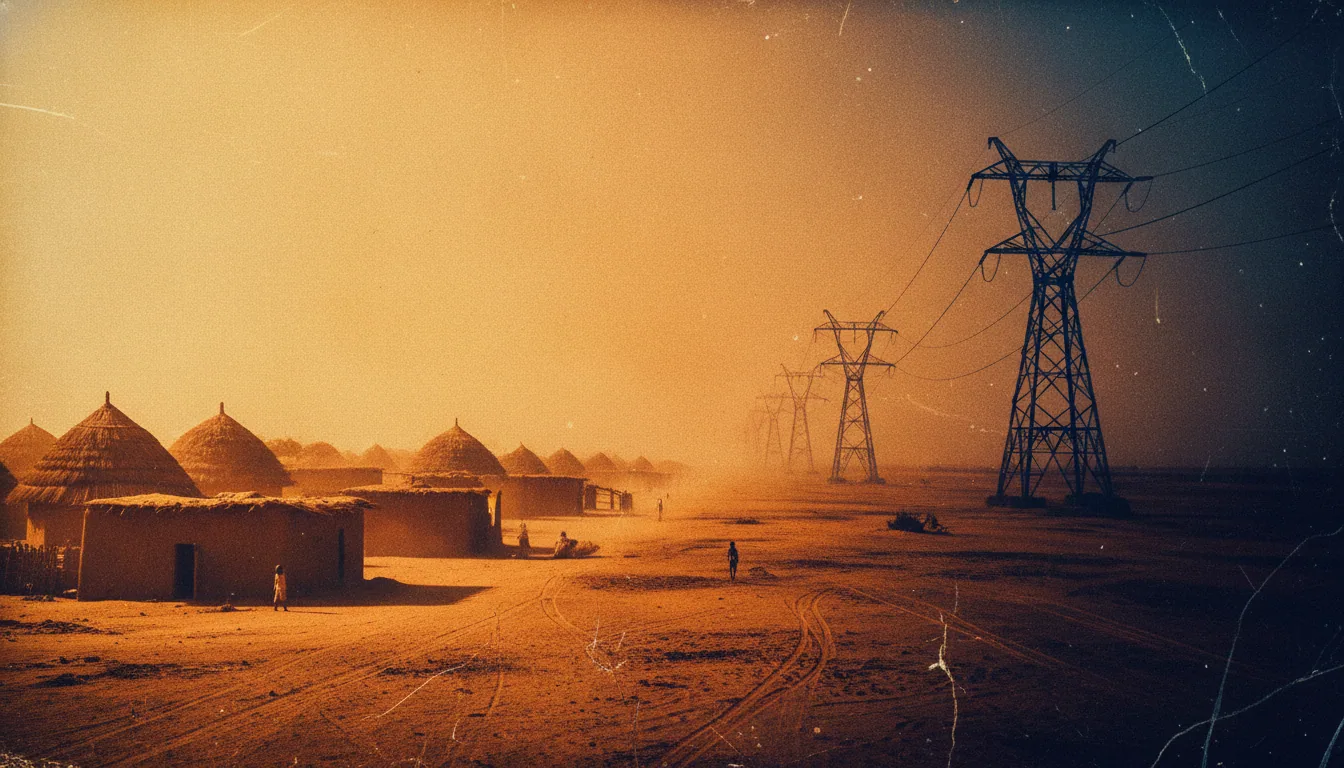
This mortality pools in specific, vulnerable valleys of human geography rather than spreading evenly. The Sahel region in Africa stands at the epicenter, facing 66,800 projected deaths. Nigeria alone will account for nearly half of those lives lost, making it the front line of this crisis.
The heat seeks out the cracks in our systems, the places where the social safety net has frayed or never existed.
The infrastructure gap is most visible when comparing Brazil and the United States. Brazil is projected to experience 13,300 deaths, while the U.S., facing similar temperature anomalies, is projected to lose approximately 3,500 lives. This difference is a direct measurement of what a stable power grid and universal cooling are worth in degrees Celsius.
Secondary Health Threats: Dengue and Marine Bacteria
Imagine a discarded tire in a Recife backyard catching tropical rain and simmering in record-breaking humidity. This is the perfect nursery for a disaster that moves on translucent wings. During the 2023-2024 cycle, the World Health Organization linked El Niño to 9.6 million additional cases of dengue fever globally.
In Latin America, the primary danger hides in a specific immunity gap involving the DENV-3 dengue serotype. This version of the virus has been absent for so long that population-wide immunity has effectively evaporated. Researchers identify this as a major factor in the projected surge of hospitalizations.
The danger also extends to the shoreline where Vibrio vulnificus thrives in warming coastal shallows. This bacterium carries a high clinical fatality rate and multiplies rapidly as sea surface temperatures climb. We must treat this disease window as a predictable biological storm that follows the thermal peak.
Navigating the Uncertainty of Future Climate Models
The World Meteorological Organization now speaks with a terrifying lack of hesitation regarding the 100 percent probability of persisting conditions. We must distinguish between the physics of the atmosphere and the tragedy on the ground. While the atmospheric peak is certain, the final human cost is not yet a rigid script.
Even a "Godzilla" event keeps a few cards hidden from our best orbiting satellites. We cannot yet name the exact sea surface temperature anomaly at the December peak or predict the following La Niña. Furthermore, the impact on European winter storm patterns remains a complex riddle for modern meteorology.
We have built a global civilization so interconnected that a warm patch of water can destabilize food security half a globe away. We can finally see the massive gearwheels of the planet turning in real time. This El Niño human casualty forecast asks the ultimate question: does knowing the future finally make us brave enough to change it?