
On August 5, 2026, Estonian authorities returned eight Ethiopian nationals to Latvia at the Ikla border crossing, invoking a 1995 readmission agreement. With 128 illegal crossings recorded in 2026—a sharp rise from 39 the previous year—the Baltic states are facing a coordinated logistical operation directed from the Belarus-Latvia frontier.
I remember the border crossings of the early nineties, where statehood was a symbolic gesture and the market ruled the law. We were building a house while the wind was still blowing through the studs. On August 5, 2026, at the Ikla crossing, a piece of paper from that era—the 1995 readmission agreement—became the only thing keeping the roof from sagging.
At 9:00 AM, the handover of eight Ethiopian citizens was a cold, administrative transaction. They were caught in Tallinn, not a forest, seeking passage to the Nordic ports. It is a dry bureaucratic rhythm that has replaced the romantic confusion of the post-Soviet collapse with an administrative certainty. In diplomacy, one must always distinguish the load-bearing wall from the decorative moulding. Political rhetoric about "Baltic unity" is often just decoration that cracks under pressure; the 1995 treaty is the structure that holds.
Ask the small question first: who is the borderland here, and who is the empire? Without this legal foundation, Estonia would be a mere transit corridor where the games of great powers are written over the interests of small peoples. Somewhere, a spreadsheet was quietly updated, and eight names moved from one cell to another. This is the cool routine of the border machine, where a signature carries more weight than a ton of rhetoric.
The Ledger of the Surge
Statistics are rarely emotional, but the numbers reveal a strategic shift. In 2025, Estonia recorded 39 irregular migrants—a manageable background noise. By mid-2026, that number reached 128. The intensity is the story: between July 21 and 31, 84 people were detained. In ten days, more arrived than in the entirety of the previous year.
The conflict has moved from the periphery to the centre. The front line is no longer a remote forest cordon; it is the Nõmme guesthouse and the Tallinn ferry terminal. The port is the strategic destination, the gate to the North. Latvia currently serves as the primary buffer, but the pressure is hydraulic. When fifty people are caught daily on the Latvian-Belarusian border, the overflow is a physical certainty.
I have seen these mechanics before: 1995, 2004, and now. The wire calls this a "migration crisis," but the original text is colder: a state-subsidised logistical operation. Police have detained facilitators from Somalia and Ethiopia who bridge the gap between the strategic map and the swampy terrain. One operator has moved forty people since spring. This is not a random occurrence; it is a service package.
The Cracking of the Commons
The Mediterranean is an early warning, not a distant spectacle. Rome’s recent decision to suspend Schengen with Spain shows how quickly agreements considered eternal can collapse in a weekend. Minister Igor Taro has marked the parallel: migration directed by Morocco or Belarus is the same instrument of strategic pressure.
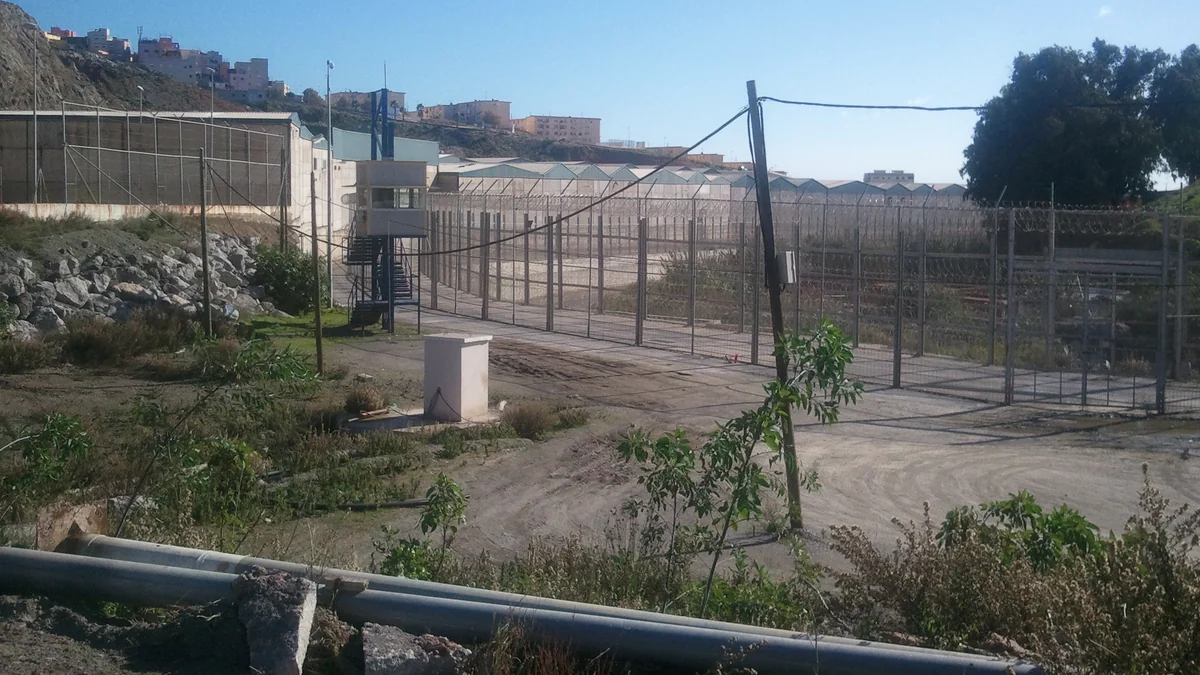
In my experience, "solidarity" is often the code name for being left alone to guard a stretch of woods. The official documents in Brussels are fond of euphemisms, but at the barbed wire of Ceuta or the pines of Ikla, words have different meanings. Finland’s Interior Minister, Mari Rantanen, has already signalled a shift toward the Italian position, suggesting that those who do not protect the external border should not expect the luxuries of the interior.
Security is always more heavy-set than the convenience of transit. We are watching a structural realignment where actual border management becomes more valuable than political moulding. Tallinn must find its place in this sequence to avoid becoming a buffer for the comfort of larger capitals.
The Marker
Watch the headcount for the next rotation of the ESTPOL11 police unit on September 15. If the numbers hold or increase, the regional structure is functioning. If they are drawn down while the pressure remains at fifty detentions a day, the load-bearing wall is failing.
Read the next communiqué from Brussels on external border funding. If the text says the parties shall provide, someone lost an argument and the system holds; if it says should, everyone is lying, and this crisis will be back on your screen by winter.