The energy crisis and climate change are dual threats that require shifting from legacy infrastructure to a climate-resilient power grid. Data from the 2024 solar milestones and the 2026 Paks shutdown show that low-carbon stability is impossible without accounting for rising temperatures and dwindling water resources.
The Paks Paradox: When Nuclear Power Meets a Dry Danube
In 2024, solar energy finally produced more electricity in the European Union than coal. This is a working lever, proving we can shift the fuel source of a continent with enough engineering and capital. However, even low-carbon systems face a hard limit when they rely on the climate of the past.
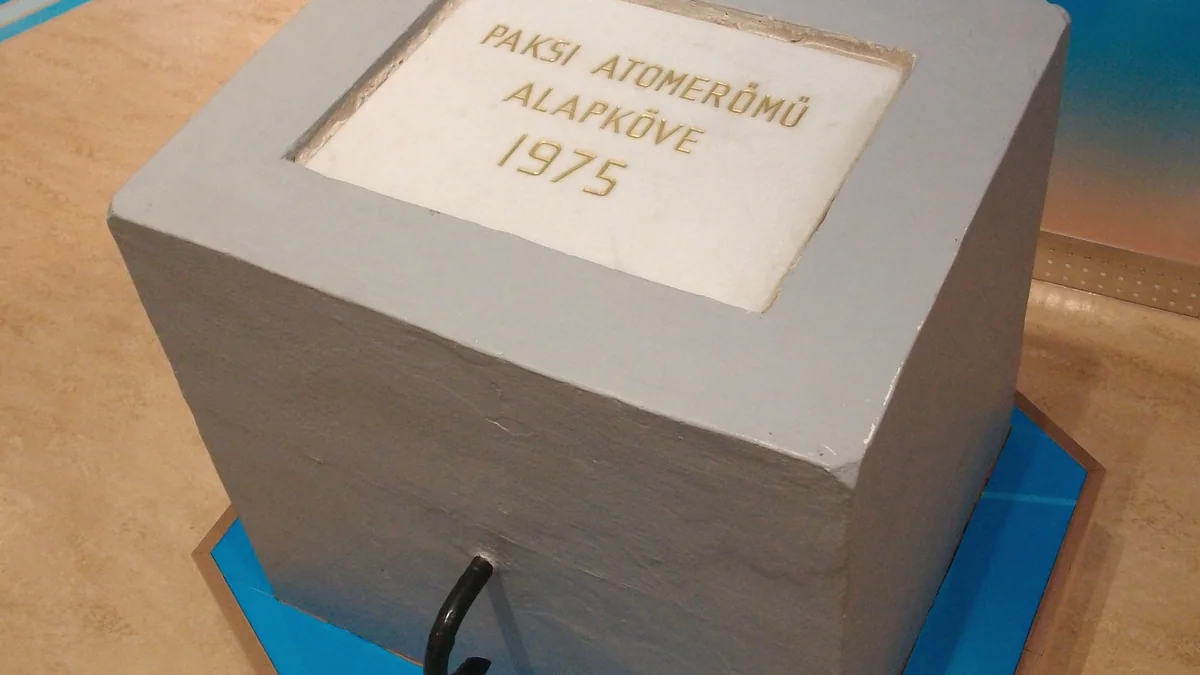
On August 2, 2026, Hungarian Prime Minister Peter Magyar ordered the first total shutdown in the 44-year history of the Paks Nuclear Power Plant. The issue was not a mechanical failure but a fundamental clash with physics. The Danube River was projected to drop to 144 cm, significantly lower than the previous record.
Paks provides 40% to 50% of Hungary's electricity. The plant generates 2,000 MW at full capacity, which is enough to power roughly two million average households. It feels green, but the question is whether it remains a lever when output falls to 240 MW overnight.
The failure caused a regional ripple effect. Romania issued a state of alert on July 31, 2026, as the grid struggled with the initial output reductions. Hungary also placed over 100 cities and villages under water-use restrictions as the drought intensified.
Despair is just procrastination with better PR, so let's look at the honest scorecard. Nuclear is low-carbon, but it requires massive volumes of water for cooling. When that water disappears, a 2,000 MW source becomes a liability. This paradox forces us to ask how we build a grid that is truly climate-resilient.
Heatwaves as a Macroeconomic Variable
The weather report is quietly becoming a financial statement. When the Danube drops, it is not just a natural event. It is a line item on a national balance sheet.
In Hungary, the 2026 drought has already placed over 100 cities under water-use restrictions as municipalities struggle to manage a shrinking resource. This is the friction of a warming world meeting legacy infrastructure. It feels like a seasonal crisis, but the data says it is a structural drain.
During the 2010s, insured losses from wildfires reached $56.3 billion. This figure represents the literal evaporation of assets, insurance premiums, and regional supply chains. The economic hit is now moving from the periphery to the core of European productivity.
In 2025, heatwaves and wildfires reduced EU output by 0.3%. Projections suggest this productivity loss will scale toward 0.8% of GDP by 2029. For an ordinary household, this translates into billions in missing growth and public service funding.
Despair is just procrastination with better PR. The price of inertia is now higher than the price of the transition. That is not a gesture, but a lever for real change.
The Lever vs. The Gesture: Rebuilding the European Grid
While we focus on the crisis of the day, we often miss the structural rewiring that actually moves the needle. It feels green to talk about individual conservation, but the real question is whether we are changing the heavy plumbing of the European system.
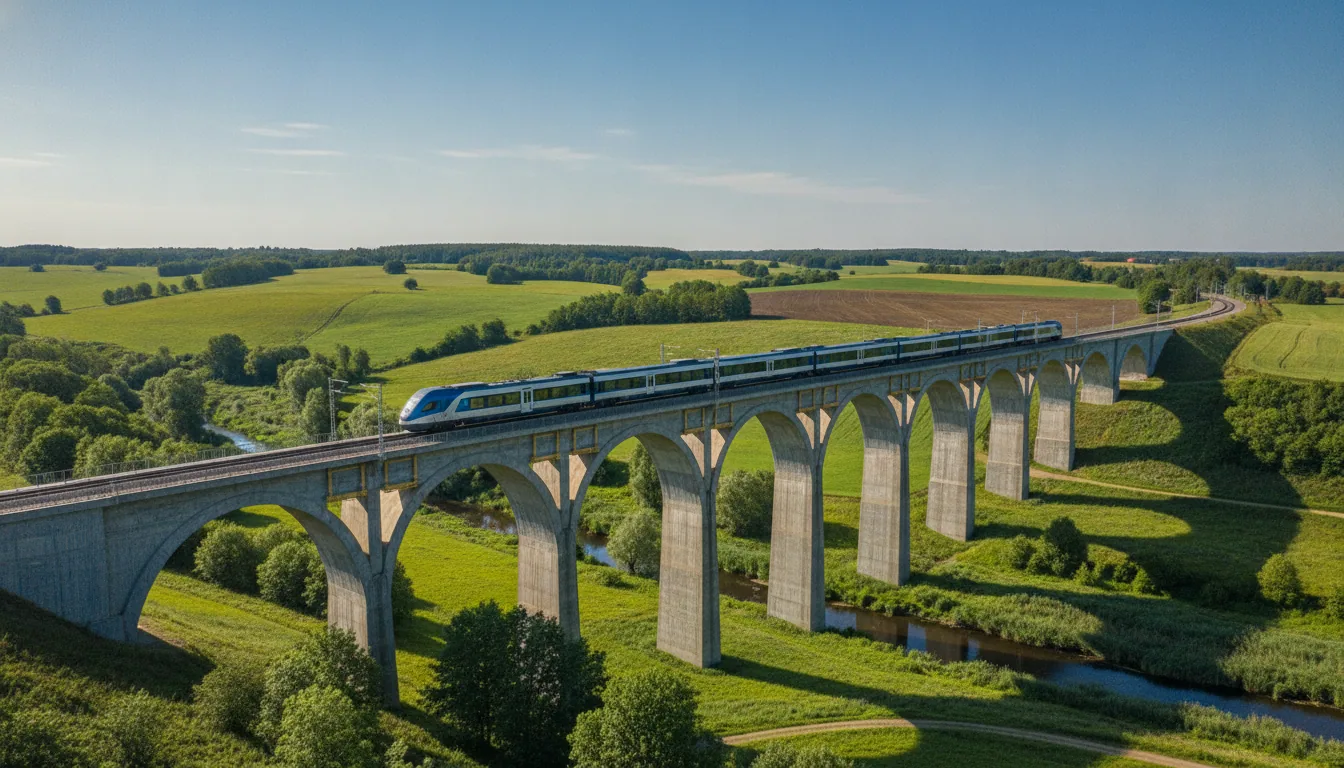
Between 2021 and 2024, the European Union's dependence on Russian gas fell from 45% to 19%. That is not a gesture. That is a lever that represents a massive, calculated shift in how half a billion people stay warm.
The physics of our grid is changing. In 2024, the hottest year in recorded history, we reached a verifiable milestone. Solar power produced more electricity in the EU than coal for the first time.
Despair is just procrastination with better PR.
This is what actually works. We are replacing carbon-heavy base load with technology that measurably reduces the footprint of every kilowatt-hour. It is not a perfect solution, but it is a necessary one for a climate-resilient future.
For the ordinary household, these macro shifts eventually land on the monthly bill. New EU electricity market rules took effect on July 17, 2026, specifically designed to protect consumers from price volatility. These rules help ensure that the low cost of renewables reaches the person paying the invoice.
As of July 2026, the Eurostat energy price index stands at 109.55. The Eurostat energy price index reflects the stabilization of costs after years of unpredictable surges. This is the honest scorecard of a continent in transition.
Synchronization and Resilience: The Estonian Roadmap
In early 2025, a shift occurred that most Estonians only felt through their news feeds. Inside our control rooms, the physical frequency of our grid synchronized with the European continental system. This ended our long, precarious dependence on the Russian-controlled BRELL ring.
Legislation followed the engineering. On May 21, 2026, the government approved the Climate-Resilient Economy Act. This law moved Estonia from the era of non-binding reports to a framework of legal accountability.
The data shows the scale of the climb. In 2024, renewable sources provided 65.8% of our electricity. To reach the 100% target by 2030, we must add roughly 6 percentage points of green capacity every year.
The honest scorecard: reaching 100% requires massive investment in grid stability and storage. It means more wind parks on our horizons and higher costs for those who cannot or will not adapt. We are trading the fragility of imported fossil fuels for the resilience of domestic wind and sun.
The Hidden Footprint: Decarbonizing the Healthcare Machine
Historically, we have labeled heavy industry as the climate villain. We look at steel mills and coal plants, but we rarely look at the operating theater. The healthcare sector is responsible for approximately 5% of global greenhouse gas emissions.
This is a paradox: the sector dedicated to healing us is contributing to the environmental degradation that makes us sick. It feels green to install solar panels on a hospital roof, but we must look deeper. 62% of a hospital's carbon footprint comes from Scope 3 emissions.
These are the indirect emissions buried in the supply chain, including procurement and pharmaceuticals. Addressing this requires looking past the ward and into the global factory.
A working example of structural change is emerging in Spain. Galicia's healthcare system has committed to a 60% emission reduction target by 2030. They are moving beyond energy efficiency into the harder work of auditing their medical value chain.
You cannot manage what you do not measure. This shift moves the focus from the hospital building to the products inside it. That is not a gesture; that is a lever.
Solving the Energy Crisis and Climate Change
Clean energy investments reached nearly $2 trillion globally in 2024. That is a lever powerful enough to tilt the global economy toward resilience and long-term security.
The honest scorecard: while money flows, the engineering reality remains stubborn. The Paks shutdown in Hungary showed us that even low-carbon base load has a water catch. When the Danube drops, the reactors stop and the grid weakens.
We cannot solve intermittency by relying on systems that climate change itself can paralyze. In 2026, the AccelerateEU initiative represents a shift from temporary energy subsidies to structural adaptation across the continent. We are building the grid rules and storage capacity that provide true stability.
Projections suggest climate-related productivity losses in Europe could reach 0.8% of GDP by 2029. That represents billions in lost output and increased healthcare strain for every household. Data-led planning is a discipline, not a choice.
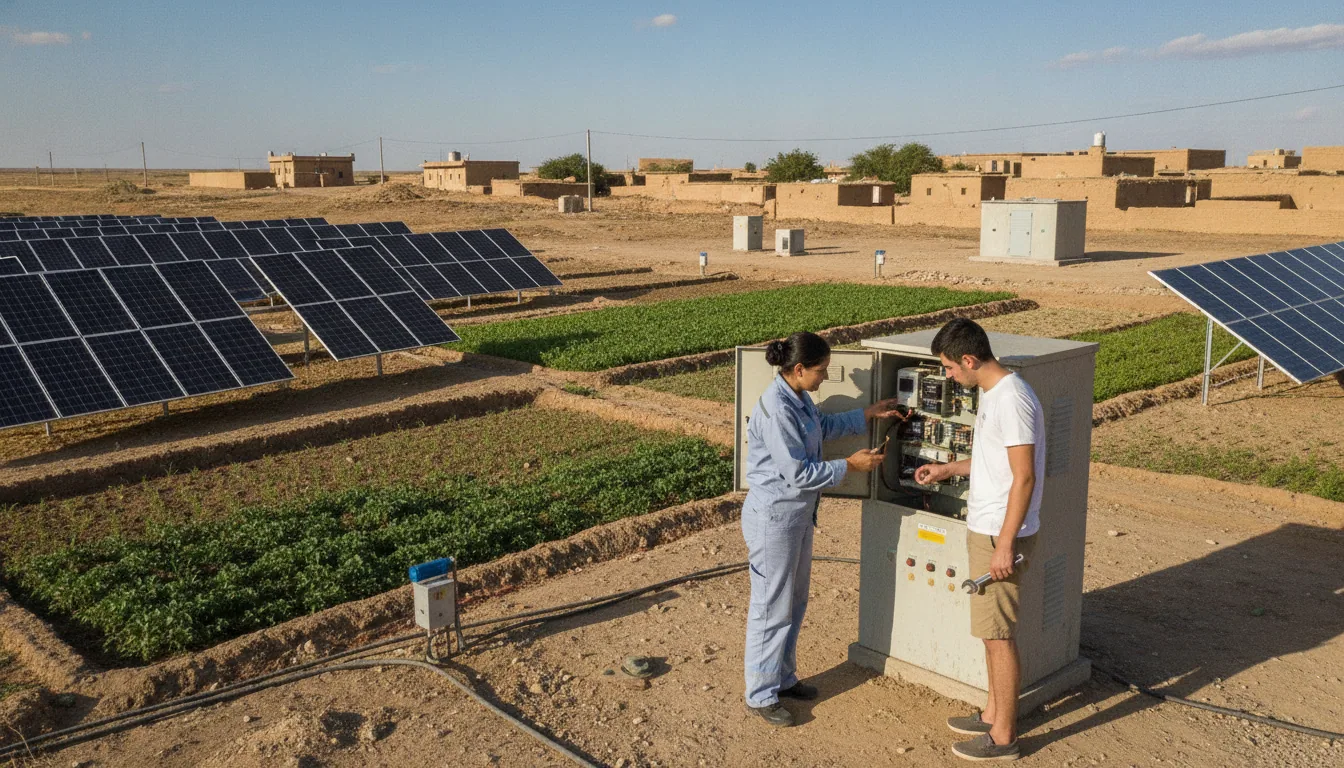
Here is what actually works. Governments must move from emergency price-cap subsidies to structural levers. This means prioritizing decentralized infrastructure that functions even when rivers are low and heat is high.
Finding a path through the energy crisis and climate change is not a matter of mood, but a matter of engineering. When the data is sound, we don't need hope—we have a map.