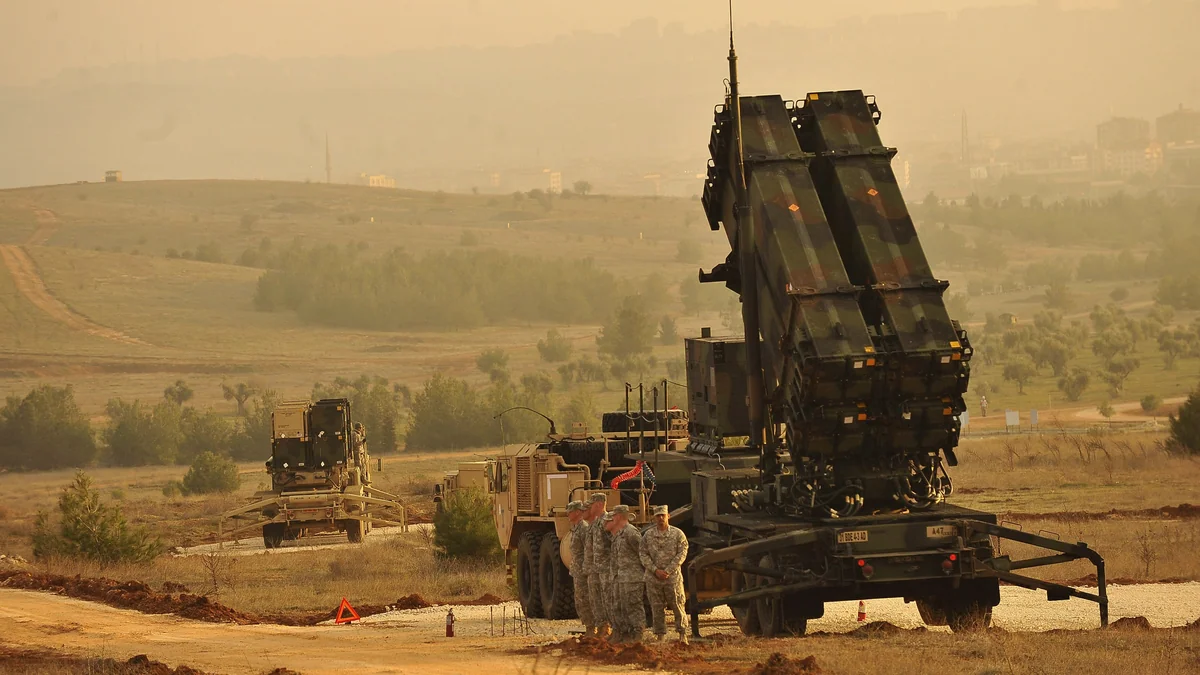

Ukraine’s long-range shift has effectively neutralized Russia’s geographical immunity by utilizing domestic missile and drone systems to strike industrial targets over 1,000 km from the front. This tactical evolution forces a decentralization of the Russian defense industry and signals a new era of sovereign autonomy where distance no longer guarantees safety.
The Cheboksary Precedent: When Geography Ceases to Protect
The Russian industrial heartland long enjoyed the luxury of geographical immunity while fueling a frontline war of aggression. This security evaporated in June 2026 when Ukrainian forces struck the Progress military electronics factory in Cheboksary, situated over 1,000 km from the border. Distance no longer provides sanctuary for the machinery of war.
The technical reality behind this strike is the FP-5 Flamingo, a cruise missile that carries a massive 1,150 kg warhead. With a reported maximum range of 3,000 km, this domestic system renders every industrial hub in European Russia vulnerable. Strategic depth is no longer a shield for the aggressor.
The strike on Cheboksary was a surgical disruption of the Kometa guidance supply chain. These antennas are essential for Russian drone navigation, making the Progress factory a critical bottleneck for the Kremlin’s aerial campaign. A socio-economic blueprint for defense can now be dismantled from afar.
If strategic depth is no longer a shield, then the institutional behavior of the defense industry must prioritize decentralization over scale.
Industrial Sovereignty and Ukraine’s Long-Range Shift
Kyiv has secured a surprising level of industrial sovereignty despite the pressures of total mobilization. Ukraine’s domestic defense industry now supplies 50-60% of the nation's total military needs. This marks a transition from a dependent consumer to an autonomous manufacturer of high-precision technology.
The European Union has recognized this shift by pivoting its long-term financial strategy. In early 2026, the EU allocated €260 million specifically to support Ukraine's domestic missile and drone industrial base. Frontline states are becoming the primary laboratories for the next generation of warfare.
The Fire Point, the manufacturer of the Flamingo system, produces approximately 210 units per month. This level of scalability challenges traditional Western procurement timelines. If industrial tempo is maintained under constant threat, the socio-economic blueprint of the war-state will be fundamentally redefined.
The Merz Doctrine and the Erosion of Red Lines
European diplomatic caution often collides with the unforgiving logic of industrial escalation. This era of strategic restraint ended on May 26, 2025, when Chancellor Friedrich Merz removed all range restrictions on weapons delivered for strikes against Russian military targets. Berlin signaled a profound departure from previous continental security architecture.
Oleksandr Syrskyi immediately integrated this political opening into a formal 2,000 km strike doctrine. He argued that this strategy creates a balanced long-range system that secures the rear by neutralizing the source of aggression. Legal frameworks are finally catching up to the kinetic requirements of the front.
In the Estonian context, this erosion of red lines highlights a correlation between political risk-taking and regional stability. If distance no longer grants immunity, the blueprint for European security must be fundamentally re-evaluated. The traditional buffer zone is being replaced by the reality of constant reach.
Kinetic Economics: Systemic De-refining and the Cost of War
The illusion of Russian industrial invulnerability collapsed under the weight of this emerging paradigm. In January 2025, Ukrainian long-range strikes increased by 33%, with over half of these missions specifically targeting oil and gas hubs. Systemic de-refining has become a core objective of Ukrainian strategy.
By May 2026, Ukraine launched more than 1,300 long-range drones and missiles during that month alone. The persistent humming of one-way attack drones has become a constant acoustic backdrop for the Russian energy sector. This creates a calculated logistic lockdown for the Kremlin’s financial oxygen.
Long-range strikes have reduced Russian oil refining capacity by approximately 20% as of June 2026. This forces the Russian state to choose between fueling its frontline tanks or its civilian population. The cost of air defense will eventually exceed the value of the infrastructure it protects.
The Technological Arms Race: From Palianytsia to the FP-9
The Palianytsia rocket-drone, unveiled in August 2024, combines a 900 km/h top speed with a 650 km range. This missile-drone hybrid bridges the gap between cheap loitering munitions and expensive cruise missiles. Ukrainian qualitative innovation must now outpace Russian quantitative dominance to remain effective.
The Alabuga plant achieved a production rate of 5,000 Shahed-type drones per month by late 2025. Both actors are rewriting the old order of aerial warfare through a constant, iterative technological arms race. Traditional decade-long procurement cycles have effectively become historical relics.
The next phase centers on the FP-9 ballistic missile, which boasts an 800 kg warhead and an 855 km range. Scheduled for trials in summer 2026, the FP-9 marks a synthesis of local engineering and tactical necessity. Regional security now depends on the ability to maintain rapid sovereign innovation.
A Future Defined by National Survival and Strategic Autonomy
The FP-5 Flamingo provides more than just a 3,000 km reach; it signifies a new era of strategic autonomy. By June 2026, domestic production supplied 60% of military needs, scaling toward 7 million drones annually. Sovereign survival is increasingly tied to the velocity of the production line.
Deep-rear strikes function as primary diplomatic leverage, forcing negotiations by diminishing Moscow’s financial and military resources. For Baltic defense planning, this correlation between industrial output and security offers a stern lesson. Ukraine’s long-range shift ensures that geographical depth no longer offers protection in an age of permanent reach.