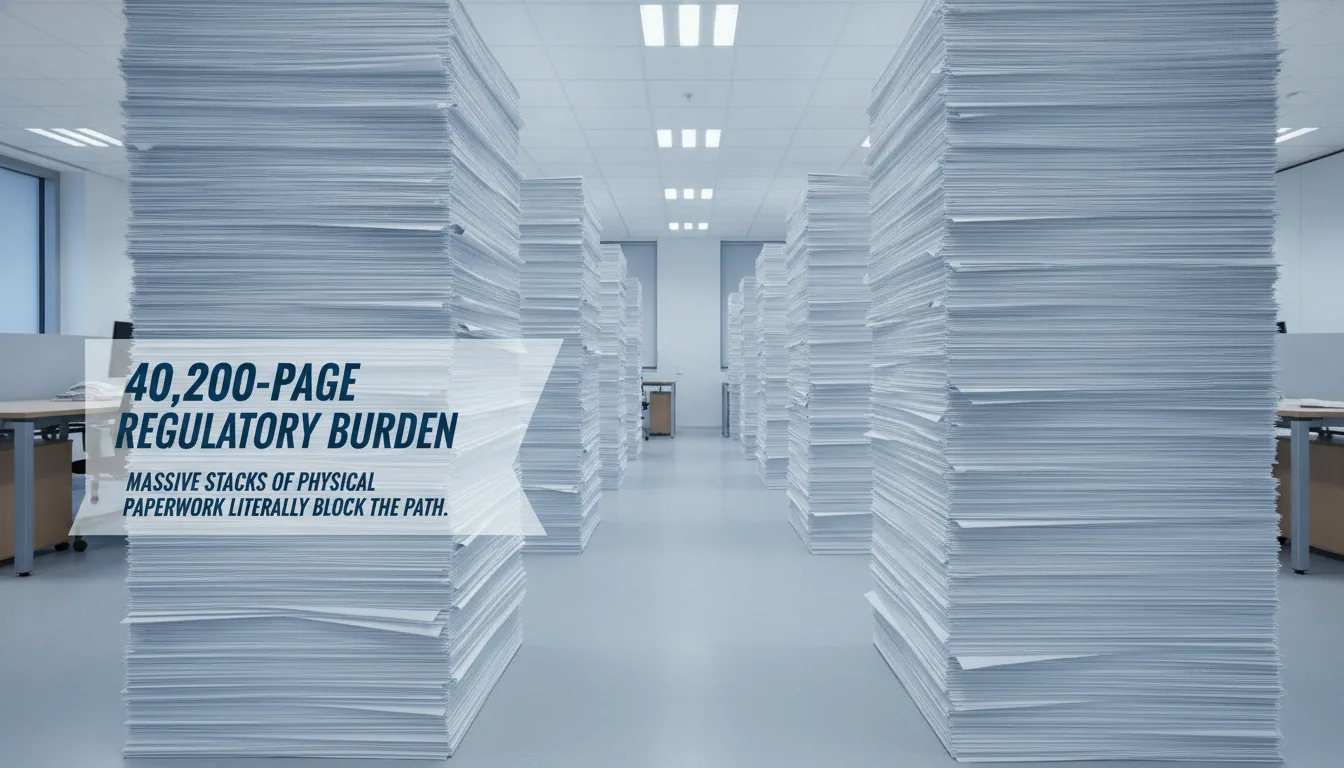
The Entry/Exit System (EES) mandates biometric checks for non-EU travelers across 29 European countries. Starting in 2026, these digital procedures, combined with restricted border hours at Narva and customs inspections, have led to pedestrian wait times reaching 16 hours and airport delays of up to 7 hours.
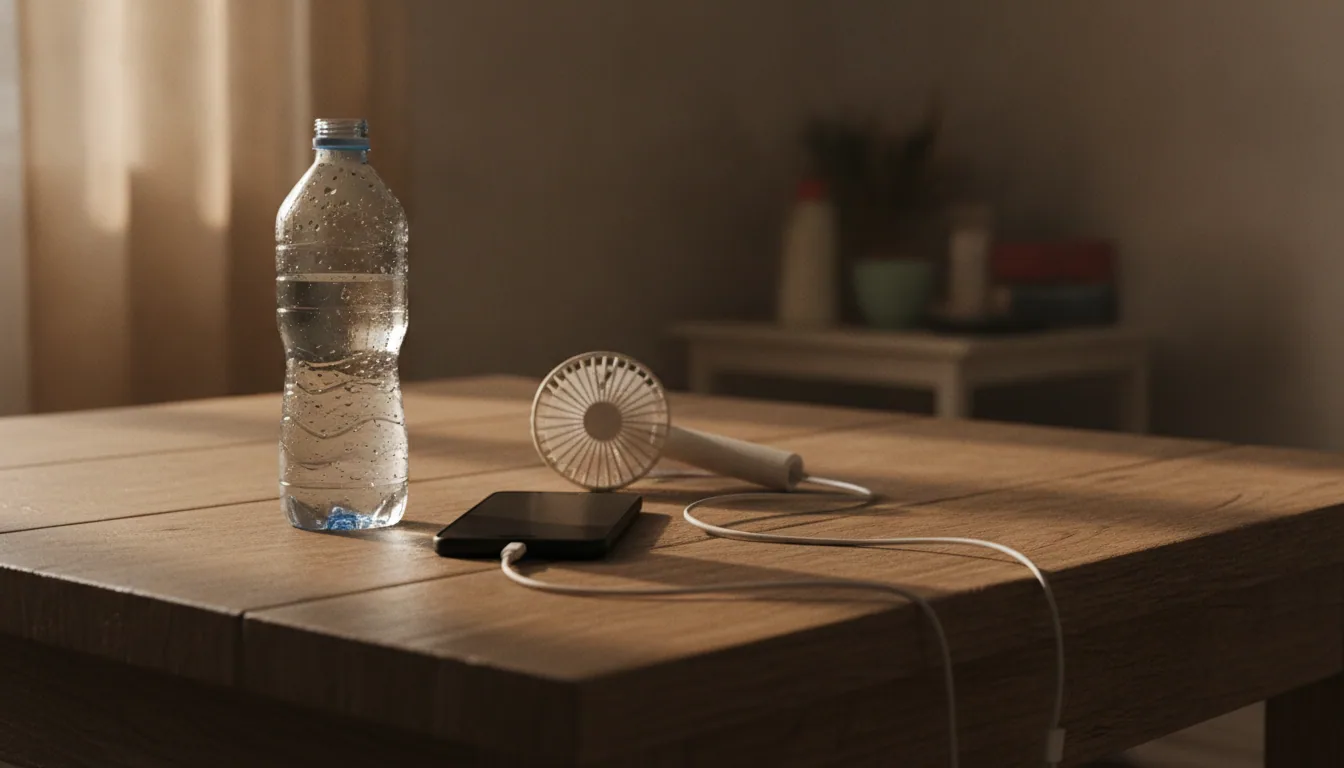
Travelers are currently facing massive delays because the new EU border system and queues are being managed through mandatory biometric registration and strictly limited operating hours. Imagine standing on the asphalt in Narva for 16 hours in the summer heat. You have a bottle of water that cost two euros and a phone battery that is down to five percent.
Standing Still at Narva-1: The Price of a Pedestrian Crossing
Since June 15, 2026, the gates at Narva-1 only open at 07:00 and click shut at 19:00 sharp. If you are not through by then, you are sleeping on the street or finding a room you cannot afford. When a border that used to be open around the clock cuts its hours in half, the math never favors the traveler.
People are waiting 12 to 16 hours just to walk across a bridge. This pressure has no escape valve anymore because land borders at Luhamaa and Koidula have been closed during the night since February 2026. Every bag is being opened for full customs inspections by the Estonian Tax and Customs Board (MTA).
I write so that those making these rules understand the physical toll of a digital system. A modernized border should not mean a mother has to wait 12 hours with two children and no shade. We are told this is progress, but the reality for working people feels like a standstill.
The Arithmetic of Biometrics: Understanding the EES
The Entry/Exit System (EES) is now the law of the land across 29 European countries. It replaces manual passport stamps with a digital trail that follows every non-EU traveler through a database. For every first-time traveler, the system requires four fingerprints and a digital facial image.
Policy feels different when it is measured in minutes rather than pages. An official from the Politsei- ja Piirivalveamet (PPA) notes that these new checks take approximately five minutes per person. The old ink stamp was a seconds-long transaction, but now every traveler must face a camera and a scanner.
The European Commission insisted on full implementation despite identifying 20 difficult spots where infrastructure was not ready. This is the physical reality of a system built on biometrics. When an automated check takes minutes to do what a hand did in seconds, the queue is the only possible result.
A modernized border should not mean a mother has to wait 12 hours with two children and no shade.
The Airport Crisis: How the New EU Border System and Queues Impact Air Travel
While land crossings saw 16-hour waits, major hubs like Amsterdam’s Schiphol and Rome’s Fiumicino reported queues lasting up to 7 hours. For a traveler, these numbers represent the difference between making a connection and watching your plane depart. In April 2026, some passengers were left behind due to three-hour border control delays.
Do the arithmetic on your schedule before you leave home. The World Travel & Tourism Council warned that these delays risk impacting 41 million arrivals across 29 countries. Arriving at the airport early is no longer a suggestion; it is a necessity for survival in the digital system.
I write so that you can plan for the reality of a seven-hour queue. Right now, only Sweden and Portugal have fully integrated the pre-registration app. Until more countries follow, the burden of this modernization remains squarely on the person standing in line.
A Two-Speed Continent: Security vs. the Tourism Euro
For many families in the south, the risk to tourism arrivals represents the grocery money needed to survive. Brussels was aware that the gears were jamming, but the Commission refused to pause the rollout. Eventually, Greece created a temporary exemption for travelers from the United Kingdom to protect its tourism season.
This quiet admission shows that the new rules are often too heavy for economies that rely on the sound of rolling suitcases. When a policy threatens 41 million arrivals, it stops being a technical update and becomes a crisis. I write so that we see why a system failing at the arrivals gate requires more than just better software.
The Digital Fix That Stayed in the Pocket
The "Travel to Europe" mobile app was designed to move the biometric bottleneck from the border to the living room. In theory, registering your face and fingerprints on your phone drops your time with a border official to five minutes. However, as of June 2026, only two countries have fully integrated the app.
That is what policy feels like when the tech moves faster than the bureaucracy. A traveler can spend hours entering data on a bus, only to find the guard has no way to scan the result. Adoption remains voluntary for member states, creating a patchwork of digital readiness.
An app only works if the person on the other side of the glass is ready to receive it. Without full integration, a smartphone is just a glass brick at the border. We have built a high-tech gate but forgotten to hand out the keys to every gatekeeper.
Looking Forward: Can We Fix the Friction?
The European Commission allows member states to limit EES use for up to 90 days during technical failures or extreme congestion. This rule exists because 16-hour queues are a systemic breakdown of the EU’s promise of mobility. We must also prepare for late 2026, when the ETIAS requirement adds another digital layer to every journey.
Practical steps help reclaim a sense of control. Use the GoSwift system to book crossings at Luhamaa or Koidula and submit biometric data through the app 72 hours before arrival. PPA representatives say this reduces face-to-face time with an official to about five minutes.
I write these numbers so that my neighbors can plan their lives. I write so that a three-hour delay does not become a week’s lost wages or a missed shift for a driver. We deserve a continent where technology serves the people as we navigate the new EU border system and queues.