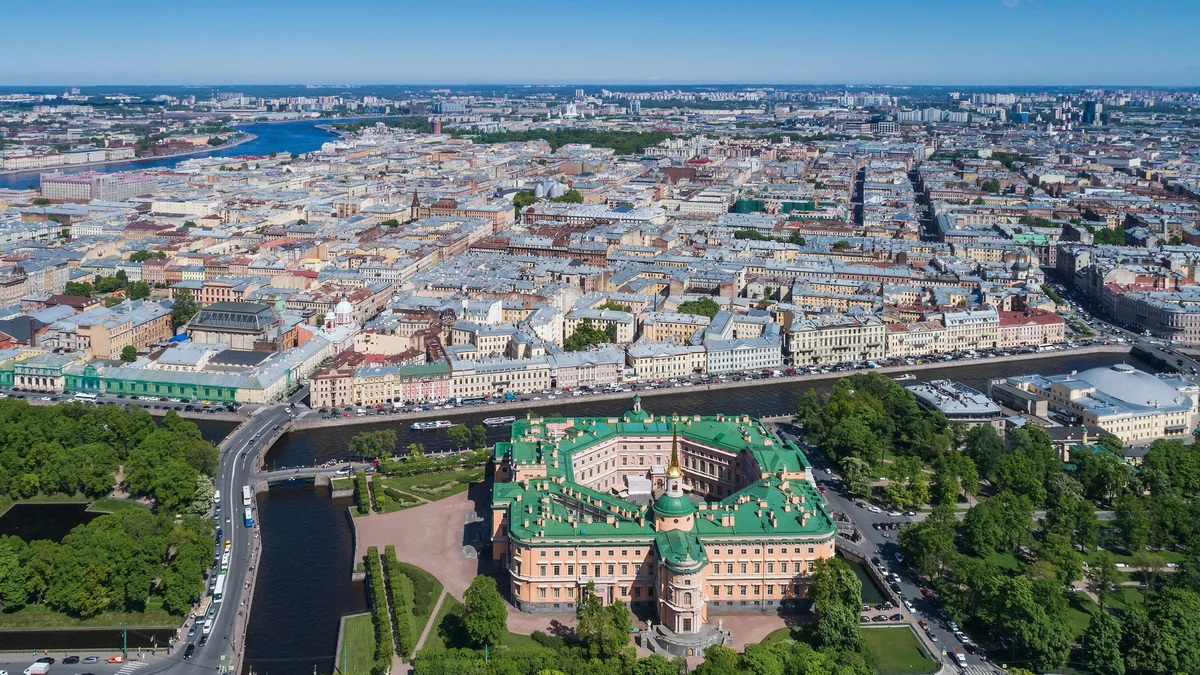
Recent St. Petersburg drone attacks have shattered the city's historical sense of invulnerability, signaling a permanent shift in the conflict’s geography.
The targeting of industrial hubs like the Ust-Luga oil terminal and Kronstadt naval bases demonstrates that Russia's "Window to the West" is no longer a safe sanctuary. These operations represent a systematic expansion of the battlespace, forcing a total re-evaluation of critical infrastructure security across the Baltic Sea corridor.
The Elite Facade Meets Kinetic Friction: The SPIEF Contradiction
Ukrainian drone forces are systematically dismantling Russia's deep-rear immunity by striking high-value economic targets during major international summits. On June 3, 2026, the St. Petersburg oil terminal was hit by drones just hours before Vladimir Putin was scheduled to speak at the Economic Forum. If the state cannot secure its primary gateway during its flagship summit, the emerging paradigm of deep-rear immunity has been dismantled.
This was a calculated psychological operation designed by the Ukrainian SBU to expose institutional vulnerability. Geography no longer dictates the safety of a nation's capital. This shift signals a fundamental rewriting of the old order where localized safety is replaced by kinetic friction.
In the Estonian context, this highlights a cross-border correlation between decentralized warfare and the fragile Russian socio-economic blueprint. Is the Kremlin capable of managing this pressure, or are we witnessing a permanent shift in institutional behavior? These strategic questions now define the new reality of the Baltic Sea corridor.
Scaling the New Reality: From Symbolic Strikes to Systematic St. Petersburg Drone Attacks
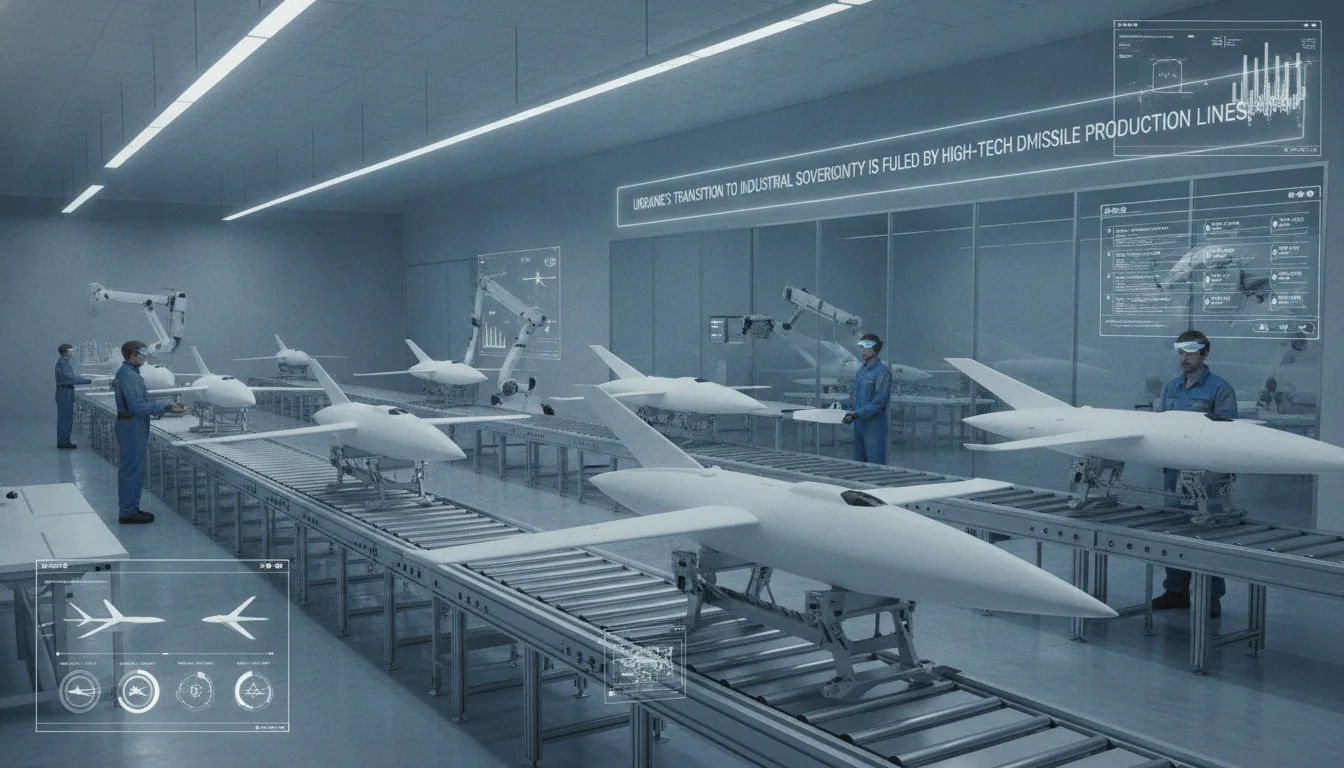
A state that prides itself on sovereign air superiority now finds its northern industrial heartland vulnerable to mass-produced, low-cost technologies. The transition from singular, symbolic strikes to industrial-scale saturation marks the emerging paradigm of symmetrical attrition. On June 6, 2026, the Russian Ministry of Defense reported the interception of a staggering 376 drones in a single wave over the region.
This is no longer a localized border conflict but a systematic expansion of the battlespace. These platforms traveled over 1,000 kilometers from the front lines, effectively dismantling the geographical security buffer. If the technical range barrier is permanently broken, every piece of critical energy infrastructure in the Baltic must be re-evaluated as an active front line.
We are witnessing a behavioral mapping of economic actors where kinetic force replaces traditional diplomacy. Ukrainian officials now categorize these deep-rear combat operations as "long-range sanctions" designed to disrupt the financial foundations of the military apparatus. This strategy represents a paradigm shift in how modern states bypass international legal stalemates to impose material costs.
In the Estonian context, this erosion of Russian rear-area security forces a cross-border correlation of defensive postures. As the old world order is being rewritten by autonomous systems, regional institutional behavior must adapt. Technical scaling suggests a future socio-economic blueprint where civilian industrial zones are the primary theatre of war.
The northern sanctuary is now gone.
The Socio-Economic Blueprint of a Besieged Metropolis
St. Petersburg's historical self-image as the impenetrable "Window to the West" is colliding with a reality of physical and digital sequestration. Governor Aleksandr Beglov issued unprecedented orders for residents to remain indoors during recent waves. This shift signals the emerging paradigm where geographical distance no longer guarantees domestic stability.
To mitigate drone guidance, local authorities have restricted mobile internet access across the Leningrad region. This institutional behavior suggests a willingness to sacrifice the modern digital economy to preserve a security facade. If connectivity is weaponized by its absence, the socio-economic blueprint must be rewritten to account for permanent friction.
Logistical paralysis is now a recurring feature of Northern transit as Pulkovo Airport faces multiple emergency closures. In the Estonian context, these disruptions ripple outward, forcing a re-evaluation of regional airspace safety. A primary aviation hub has been transformed into a site of constant unpredictability.
Economic vulnerability extends to the Kirishi oil refinery, which processes approximately 7% of all Russian oil. Damage to such high-concentration infrastructure creates a cross-border correlation between kinetic strikes and global energy price volatility. When a single facility carries such disproportionate weight, its exposure becomes a critical national liability.
Institutional Behavior and the Failure of the Rear: The Kronstadt Signal
The luxury of historical invulnerability has collided with the physical reality of a burning coastline. On June 6, 2026, thick plumes of acrid smoke rose over the Lomonosov district following targeted drone impacts. The northern sanctuary for the Russian military has officially disappeared.
President Zelenskyy confirmed that Ukrainian forces successfully struck naval arsenals and critical bases within the heart of Kronstadt. If the Russian state cannot protect its most storied maritime bastions, its institutional defense apparatus must be questioned. Security expert Rainer Saks identifies this as a military failure because the symbolic weight of Kronstadt exceeds mere industrial damage.
The emerging paradigm suggests that the Russian Ministry of Defense has lost its northern sanctuary for good. To observers across the Baltic, this indicates a rewriting of the old order where distance served as a security blueprint. If these deep-penetration strikes continue, the rear-area assumptions of the Russian command will finally dissolve.
The Cross-Border Correlation: Baltic Security through an Estonian Lens
High-volume maritime trade meets the sudden reality of a contested, low-security front line. While Helsinki once viewed St. Petersburg's proximity as an advantage, the emerging paradigm forced Finland to close eastern sea lanes. Tactical shifts represent a fundamental rewriting of the old order where civilian maritime traffic is secondary to military necessity.
The blurring of civilian and military airspace creates a dangerous cross-border correlation that impacts regional connectivity. If a kinetic event occurs in Ust-Luga, the ripple effects are felt instantly in Tallinn flight diversions. Institutional behavior must adapt when a regional conflict spills into international transit corridors.
In the Estonian context, this militarization of the Gulf of Finland is a permanent socio-economic blueprint rather than a temporary anomaly. We are witnessing a paradigm shift where the security of our northern neighbor dictates our own logistics. If vulnerability remains a constant, the Baltic Sea corridor will transition into a restricted military zone.
Rewriting the Old Order: Strategic Implications of Persistent Vulnerability
The illusion of a fortress state is being eroded by the persistent hum of low-cost loitering munitions. Historical invulnerability meets structural exposure, as Russia struggles to manage unprecedented volumes of incoming threats. The staggering volume of technology reflects a paradigm of total-reach warfare where geographical distance is rendered obsolete.
Vladimir Putin has been forced into a reactive defensive pivot, signaling a disruption of the established socio-economic blueprint. He recently pledged to bolster air defenses, yet traditional hardware remains poorly optimized for hundreds of simultaneous targets. Ukraine targets the region again, forcing a paradigm shift as institutional behavior struggles to keep pace with an asymmetric threat.
This profound shift signifies the final erosion of boundaries between the civilian rear and the permeable tactical front. If mass-produced drones can travel over 1,000 kilometers to strike strategic naval arsenals, the concept of a safe sanctuary is dead. Persistent St. Petersburg drone attacks force a vital question: can current state architecture survive permanent saturation, or are we witnessing the final rewriting of the old security order?