Ebola containment and border politics collide when rigid medical protocols clash with the economic survival of hand-to-mouth frontier communities. Effective policy must account for the fact that a 21-day quarantine often means 21 days without food for a trader’s family. Health security depends as much on the ledger of trade as it does on clinical isolation.
The Twenty-One Day Cost of a Cross-Border Trade
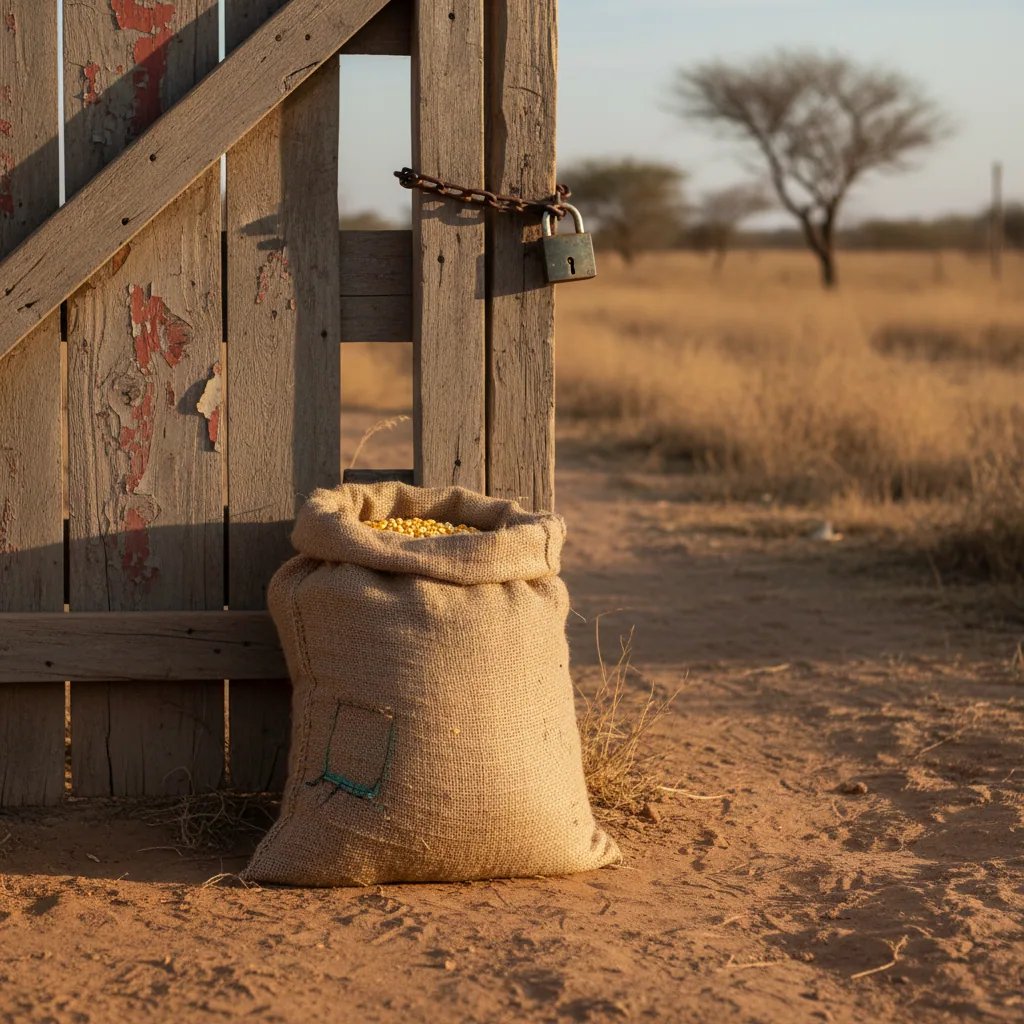
The arithmetic of Ebola containment and border politics reveals that when governments prioritize locked gates over local livelihoods, the virus simply moves into unmonitored shadows. If you cross the border at Mpondwe today, you have to survive for 21 days in a government facility before selling a single bag of maize. For a family living hand-to-mouth, May is not a school-fee month.
Uganda officially ordered a four-week closure of its border with the Democratic Republic of Congo effective May 27, 2026. This was a sudden, hard stop to the pulse of the local economy. It happened because the Bundibugyo strain of Ebola does not care about trade routes or bank balances.
Seven confirmed cases and one death in Uganda have turned a medical emergency into a survival crisis for thousands. A 21-day mandatory quarantine for authorized travelers means almost a month's income is deleted from a household budget. When the gate shuts for four weeks, the price of basic goods begins to creep upward in frontier markets.
I write so that we look past high-level health alerts to the actual ledger of daily life. For a trader at the frontier, a safety measure can look a lot like a sentence to hunger. We must find a way to protect the lungs without starving the stomach.
Bundibugyo: A Virus Without a Price Tag or a Vaccine
The outbreak was officially confirmed on May 15, 2026, in the Ituri Province of the Democratic Republic of Congo. This is not the Ebola that modern medicine has learned to manage. The Bundibugyo virus strain has no approved vaccine or targeted treatment waiting in a warehouse.
If you get sick, doctors can only help your body try to survive it on its own. That is what policy feels like when there is no approved treatment. When there is no medical shield, governments turn to walls.
Walls do not stop a virus that people are already carrying across informal paths. Instead, the lack of a cure breeds a specific, violent kind of panic. Between May 21 and May 25, at least three attacks on Ebola treatment centers were recorded.
For a trader at the frontier, a safety measure can look a lot like a sentence to hunger.
The traditional Ebola toolkits are ineffective here because research funding has never been a global priority. Now, the people in Ituri are paying for that gap with their lives. We are seeing what happens when the international safety net has a hole the size of an entire virus.
The Budget of an International Emergency
By May 28, 2026, the count of suspected Ebola cases in the Democratic Republic of Congo climbed past 1,000. This is not just a digit on a spreadsheet in Geneva. It represents 1,000 families waiting for a bed in a word that might not exist.
The World Health Organization declared this a Public Health Emergency of International Concern on May 18. This is the loudest alarm the global community can ring. In theory, this should trigger a flood of resources, but the global bank accounts are nearly empty.
US global health aid cuts in 2025 and the country’s official withdrawal from the WHO in early 2026 created massive funding gaps. You cannot stop a pandemic with an empty ledger. A declaration does not manufacture protective suits or pay for the soap needed for safe burials.
For a health worker in Ituri, policy feels like a mask that has been reused too many times. That is what policy feels like when the money dries up before the virus does. We are watching a two-speed response that prioritizes distance over regional trade restrictions and infectious disease management.
Lines on a Map and the Reality of Informal Crossings
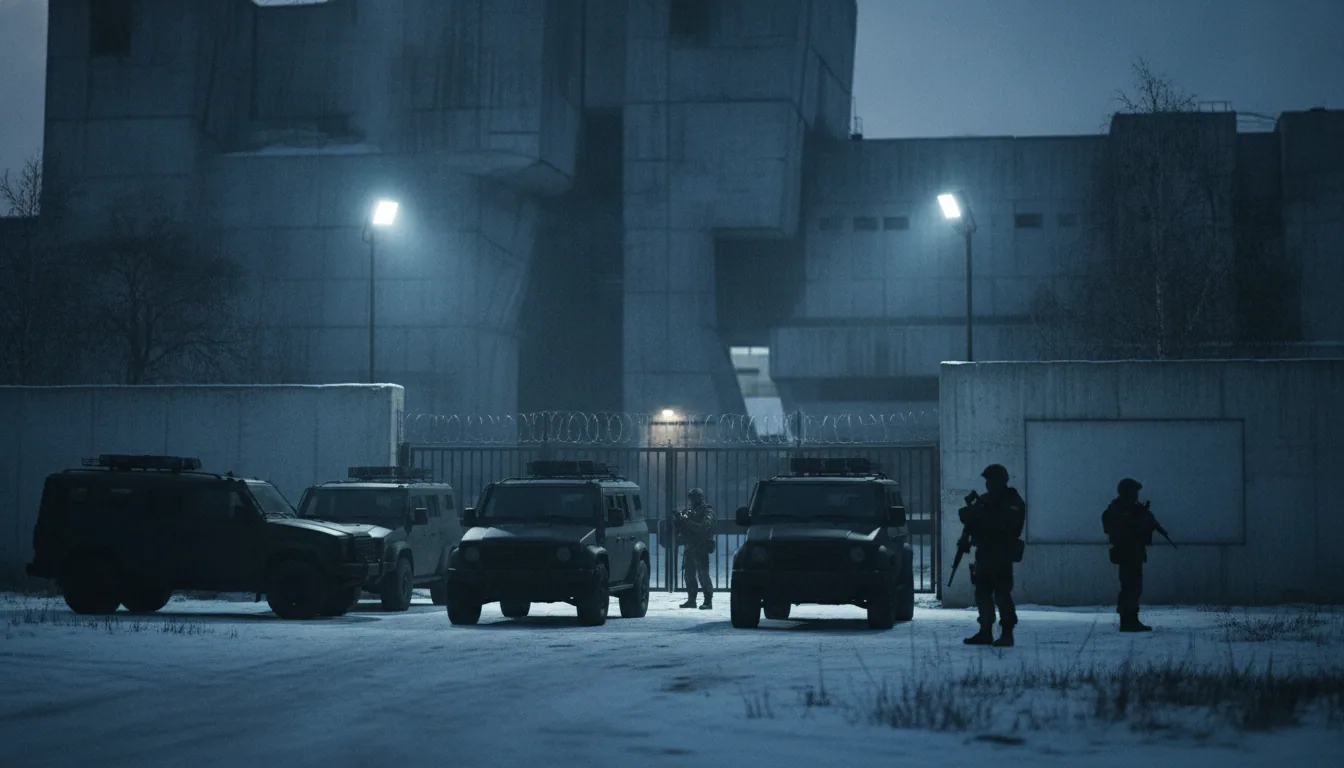
At the official crossing points, the gates are heavy and locked. But a map does not show the hundreds of narrow footpaths through the high grass and thick forest. Border closures drive travelers away from health checkpoints and into informal, unmonitored crossings.
When a trader bypasses a gate to avoid a three-week quarantine, contact tracing becomes impossible. By trying to seal the country, officials may have simply moved the virus into the shadows. In North and South Kivu, the geography of the outbreak meets the geography of war.
The M23 rebel group controls territory there, creating no-go zones that medical teams cannot enter. Between May 21 and May 25, three Ebola treatment centers were attacked, making it clear that a doctor's coat is no shield against a bullet. In a landscape where lines are ignored by both rebels and hungry traders, containment is a fragile hope.
The Fortress Policy: Ebola Containment and Border Politics in the Global North
While doctors in Ituri face a virus with no vaccine, the response from the West has been a flurry of administrative locks. On May 18, 2026, the United States invoked Title 42 of the Public Health Service Act. This measure turns a public health crisis into a border enforcement strategy by suspending the entry of non-citizens.
Canada followed suit with a 90-day suspension on visa processing for residents of the DRC, Uganda, and South Sudan. For a student in Kampala or a father in Goma, 90 days is a lifetime of lost opportunity. While the West built walls, the Africa CDC organized a ministerial meeting to coordinate a regional response.
I write so that we remember these signatures have real costs for families waiting for help. The WHO warns that these bans often hinder the delivery of medical supplies. A 90-day wait does not care about epidemiological logic; it only cares about the comfort of a map with a line drawn through it.
The Pragmatic Path to Containment
The data tells a hard story: as of May 25, 2026, there are 234 confirmed deaths in the DRC. Analysts now describe this outbreak as one of the most rapidly escalating in the history of the virus. Stopping this epidemic requires the alignment of political and armed groups in the region.
Real containment happens through safe burials that prevent transmission while honoring the deceased. Families also need to know they can afford to eat during a mandatory 21-day quarantine. We can choose to fund health corridors instead of simply building higher fences.
Policy is what happens when the neighbor’s house is on fire. Finding a balance in Ebola containment and border politics is the only way to ensure the next fire doesn't reach every door. Regional coordination remains a practical window of hope that we must keep open for my daughters and yours.