The Post, the Podium, and the Caption
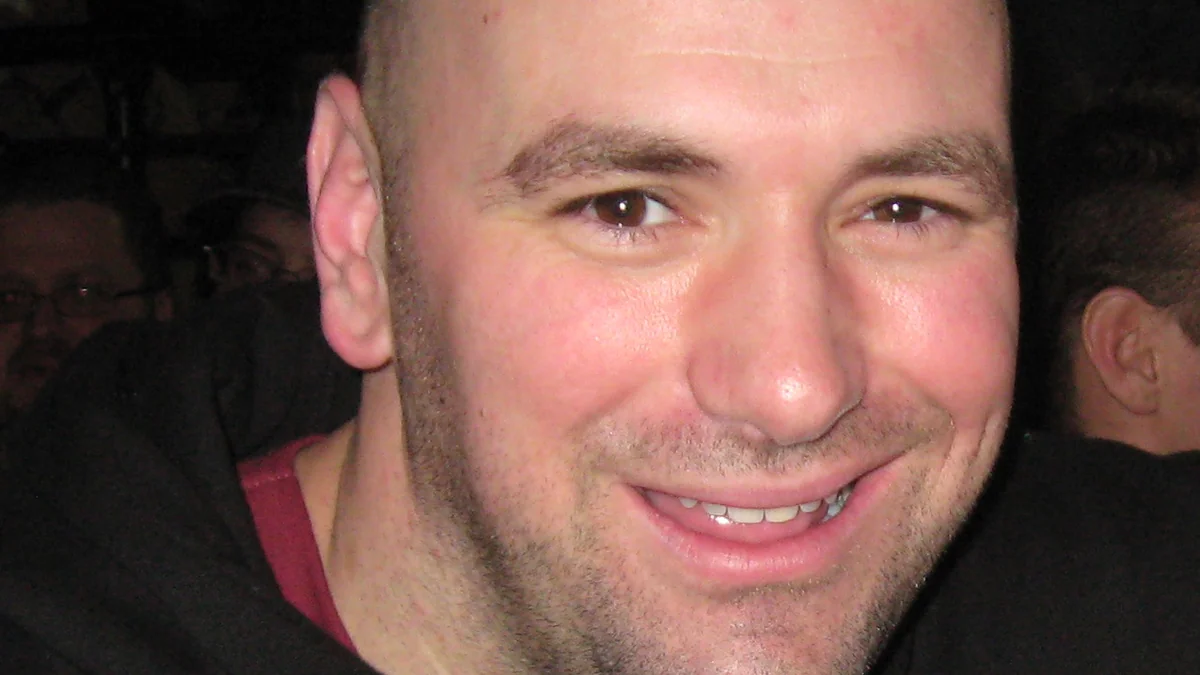
On November 7, 2026, Dana White at the White House became the story before anyone had confirmed a thing. Donald Trump posted to Truth Social with his usual restraint: "I am pleased to announce that the Great Dana White, a violent Fighter and Warrior, has been offered the job of Press Secretary of the United States." Then, in case anyone missed the point: "Dana, please take the job!"
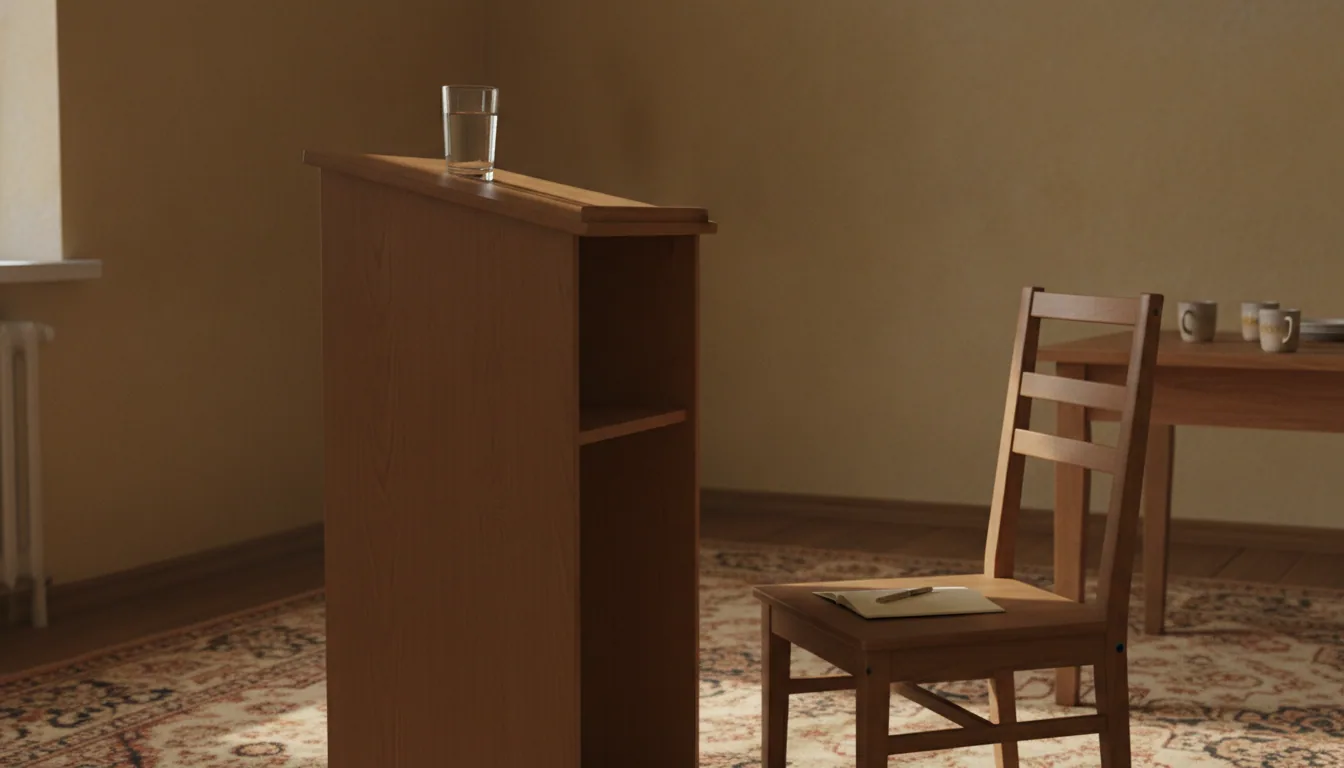
That same day, White posted an Instagram Story. He was standing at the lectern in the James S. Brady Press Briefing Room — the same room where every administration since Nixon has faced the press. The caption read: "On to the next chapter."
Four words. No confirmation. No denial. Just a 57-year-old man at the most recognizable podium in American journalism, letting the image do the talking.
White House Communications Director Steven Cheung didn't stay cryptic. His response on X was three words: "Hell yeah! Do it, @DanaWhite!" The public pressure was on before anyone had sat down to negotiate.
The sit-down is scheduled for Monday, November 9. What happens inside that room is still unknown. Internal reports suggest White may decline — his commitments to UFC and its parent company TKO Group Holdings are substantial, and running a multi-billion-dollar sports enterprise doesn't pause for a government salary.
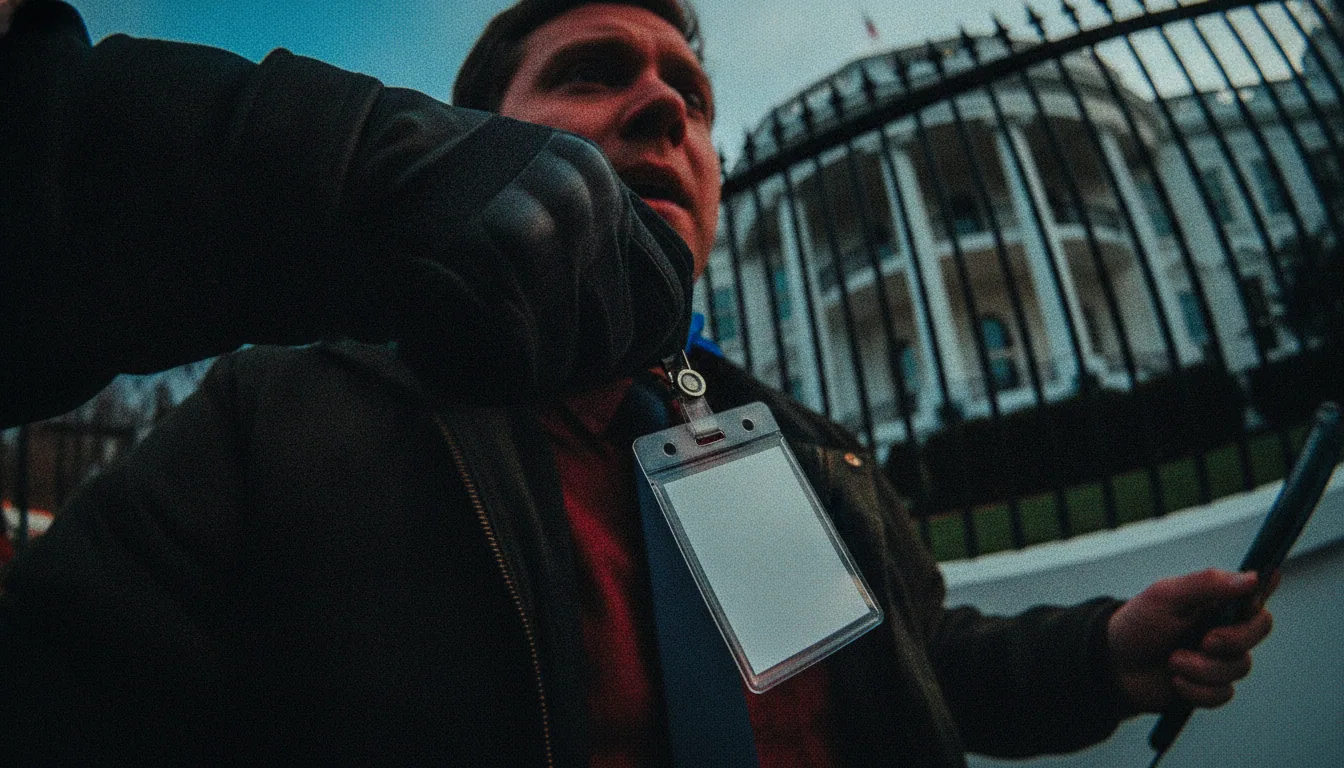
The position opened three weeks ago when Katie Zacharia resigned after five days in the role. She conducted one press briefing, lasting six minutes, and took questions only from three conservative outlets. The chair has barely had time to get warm.
What comes next depends on a Monday meeting. And one man's Instagram post that may or may not have been a yes.
The Seat That Keeps Emptying
Katie Zacharia held the Press Secretary position for five days. In that time, she conducted one briefing. It lasted six minutes. She took questions from three news outlets, all of them conservative.
Then she was gone.
Trump's own account of the vacancy is telling. Speaking about Zacharia, he said: "I said, 'Katie, is this for you?'" That is not a question you ask someone you plan to keep. It is a question you ask while already reaching for the door handle on their behalf.
The pattern here is not new, but it is accelerating. The White House communications role has become one of the most unstable positions in American public life. Spokespeople arrive with mandate and momentum. They leave before the press corps learns their middle names. Each departure is framed as personal, as a choice, as moving on. The structure underneath rarely gets examined.
What Zacharia's six minutes reveal is not personal failure. They reveal a room that has been systematically hollowed out. When a spokesperson speaks only to friendly questioners and still cannot last a week, the problem is not the spokesperson. The problem is that the job has been made nearly impossible for anyone committed to the basic mechanics of institutional press relations.
Appointment volatility at this level is itself a communications strategy. A revolving door keeps journalists off-balance. It prevents any single spokesperson from building the relationships or credibility that might eventually constrain the principal they serve.
The seat keeps emptying because an occupied seat has obligations.
Twenty Years of Mutual Benefit
When every other venue in America was turning the UFC away, Donald Trump let them in. In 2001, the Trump Taj Mahal hosted UFC events when the sport was still considered too raw, too lawless for mainstream real estate. That is not a small thing in the logic of loyalty.
The relationship built from there. White showed up at the Republican National Convention in 2016, then again in 2020, then again in 2024. Three conventions, three cycles of standing in the room and being counted. In political terms, that is a résumé of commitment.
By 2016, the UFC was worth $4 billion at sale. White had helped build something that size, and he was spending his public goodwill on Trump's stage. That is a significant trade. Both men understood exactly what it was worth.
The June 2026 birthday event made the alliance visible in a different way. Trump turned 80, and the South Lawn of the White House became a UFC event. A sitting president using the most recognizable address in American democracy to host a combat sports celebration is not standard scheduling. It tells you where the friendship sits in the hierarchy of things that matter to this administration.
Twenty years of that kind of relationship does not produce a job offer out of nowhere. It produces one that arrives because the groundwork was laid so carefully, for so long, that it feels less like an appointment and more like a logical next step. Whether White takes it or not, the alliance was already built into the architecture of this White House. The briefing room offer just made it legible to everyone else.
Fighters as Press Assistants: What Trump Actually Proposed
Trump did not stop at naming Dana White. The Truth Social post went further, suggesting that UFC fighters Khabib Nurmagomedov and Amanda Nunes serve as assistants in the briefing room. Islam Makhachev, Justin Gaethje, Daniel Cormier, and Kayla Harris were also listed. The roster reads like a fight card, not a staffing memo.
The stated purpose was direct. "We need these people to defend us against the Lunatic Left," Trump wrote. Whether that was literal, theatrical, or somewhere between the two, nobody has clarified. That gap — between announced intention and operational reality — is exactly where the confusion lives.
What remains completely unknown is the legal or functional role any of these fighters would actually hold. Assistant Press Secretary is a real title. It carries salary, security clearance, and statutory obligations. None of the named fighters have confirmed any contact about the positions.
There is one more layer of confusion worth naming. Media analysts quickly noted that "Dana White" is also the name of the former Pentagon Chief Spokesperson who served from 2017 to 2018 and resigned under pressure. Dana W. White — a different person entirely — spent years trying to separate her professional record from the UFC CEO's public profile. The November 7 announcement restarted that problem overnight.
Two people, one name, opposite careers. The briefing room has seen a lot, but rarely this particular kind of paperwork.
The seat keeps emptying because an occupied seat has obligations.
The Briefing Room Is Not a Cage — But the Rules Are Changing
A career political spokesperson arrives at the podium with institutional muscle memory. She knows the Senate calendar, the statutory limits on executive action, the difference between a leak and a trial balloon. The UFC chief executive arrives knowing something different: how to make a fight feel inevitable, how to manage a crowd, and how to control a narrative before the other side can land a punch.
That is not nothing. But it is not the same thing.
The briefing room has always been adversarial. What changes is the model. Traditional press secretaries operated within a friction-managed system, where the goal was to minimize damage while maintaining access. A combat-communications model — the kind White has built at UFC for two decades — treats friction as the product. The press corps becomes the opponent. Discomfort is a feature, not a failure.
Stephen Miller was just named Chief of Staff, replacing Susie Wiles. That matters for context. The administration's communications architecture is being shaped by people who view the press as a threat to be neutralized, not a channel to be managed. White House Communications Director Steven Cheung publicly cheered White on with "Hell yeah! Do it, @DanaWhite!" That is not the voice of an institution concerned with norms.
Then there is the political reality. Democrats secured control of both congressional chambers in the November 3 midterms. The administration now faces a hostile legislature and a press corps that has been told, in public, that UFC fighters are being recruited to defend against it. Whoever stands at that podium next walks into a changed room.
What It Costs to Run a Country Like a Brand
TKO Group Holdings is a publicly traded company. Its shareholders have a reasonable interest in knowing whether the CEO who helped build UFC into a business worth $4 billion in 2016 is planning to leave for a government lectern. Dana White is 57. He is at the operational peak of a career that spans decades and an enterprise that spans continents. UFC's international footprint means any perception of partisan political alignment carries real commercial risk — fighters from dozens of countries, broadcast deals across markets that do not share American political assumptions.
The press secretary's job is not, formally, a performance role. It is a coordination function. Whoever stands at the James S. Brady podium is managing information flow between an executive branch and a press corps, navigating legal constraints, agency communications, and the daily machinery of accountability. Katie Zacharia held the position for five days and conducted one briefing, six minutes long, taking questions from three conservative outlets. That is not a communications strategy. That is a vacancy dressed as an appointment.
Institutional memory does not sound important until it is gone. When a spokesperson does not know the history of a policy, cannot read the room, and has no professional relationship with the journalists asking questions, the gaps show immediately. What fills them is usually noise.
Whether White's Instagram post was a genuine announcement or a dry joke, the question underneath it is serious: governments that run like brands eventually discover that brands do not have to answer questions. The Dana White White House story is unresolved, the Monday meeting still ahead — but the briefing room podium was already making the argument before anyone said a word. Voters do not get the option of a caption with no caption.