On October 19, 1.35 Million Albertans Had Already Voted Before the Polls Even Opened
By six in the morning on October 19, 2026, the queues outside polling stations across Alberta meant something had already happened. The province had made up its mind, or at least a very large part of it had. Before a single ballot was cast on election day itself, 1,356,873 Albertans had already voted in advance polling. That is 43 percent of all eligible electors.
Read that number again. Nearly half the province showed up early. Not because voting is easy or convenient, but because this question mattered enough to rearrange a workday, find a sitter, drive into town.
The question on the ballot was direct. Should Alberta remain a province of Canada, or should the government begin the legal process required under the Canadian Constitution to hold a binding referendum on separation? Premier Danielle Smith pushed this separation referendum through after a court blocked a citizen-led petition in May, intervening on May 21 to make it a government initiative instead.
That intervention matters. This was not a fringe movement forcing the issue. This was a governing party, elected by Albertans, placing a constitutional question on a public ballot. The stakes are exactly what they sound like: in or out. The scale of advance turnout tells you that people understood what they were being asked.
The Ballot Had Ten Questions. Most Voters Probably Only Heard About One.
Question 10 was the one that made headlines. The official wording: "Should Alberta remain a province of Canada or should the Government of Alberta commence the legal process required under the Canadian Constitution to hold a binding provincial referendum on whether or not Alberta should separate from Canada?" That sentence traveled around the world.
The other nine questions did not.
Questions 1 through 5 covered non-constitutional ground: immigration control, restrictions on social services for temporary residents, areas where Alberta wants to act without asking Ottawa first. Significant, but not the stuff of constitution-drafting. Questions 6 through 9 went further, into the architecture of governance itself - provincial power to elect judges, changes to Senate representation, the kind of structural shifts that require reopening the constitutional order.
Read the ballot in sequence and a pattern emerges. It was not designed as a single yes-or-no question about separation. It was designed as a ladder.
Here is why that matters. A Yes on Question 10 needs to clear a very high legal bar. But a Yes on Questions 1 through 9 does not require separation to mean anything. It builds the institutions, the legal precedents, the political habits of a province that governs as if it were already halfway out the door. Even if Question 10 fails by a wide margin, the votes on the other nine questions give the provincial government tools it can use tomorrow morning.
The ballot was not ten questions. It was one strategy, written in ten parts.
The ballot was not ten questions. It was one strategy, written in ten parts.
Two-Thirds Want to Stay. A Third Want to Leave. And the Party in Power Can't Agree Either.
The polling was consistent for months. Between 66 and 70 percent of Albertans intended to vote to remain in Canada. Support for beginning the legal separation process sat between 22 and 35 percent depending on the poll - Leger at the lower end, The Hub's numbers somewhat higher.
That spread matters. It tells you something about the question being asked.
A supermajority doesn't want to leave. But a third of the province is willing to start a legal process, which is a different thing from wanting independence by Thursday. It is a number large enough to sustain a political movement for years, especially when roughly 60 percent of separation supporters said their primary goal was to send a message to Ottawa rather than actually split.
The real fracture, though, runs through the governing party itself. Among United Conservative Party voters, 48 percent backed beginning the separation process and 43 percent backed the remain camp. That is not a party with a mandate. That is a party with a dilemma it has been quietly managing for two years.
On the other side, Thomas Lukaszuk - former deputy premier, now leading the pro-federalist Forever Canadian group - collected over 400,000 signatures opposing separation before a single ballot was cast. In a province of roughly 4.7 million, that is not a fringe number.
What the polling actually reveals is that Alberta's grievance is real and broadly felt, but the appetite for a full exit is much narrower. Premier Danielle Smith governs the gap between those two things.
A Court Said No. The Premier Said Fine, We'll Do It Ourselves.
On May 13, 2026, Judge Shaina Leonard handed the separatist movement a blunt piece of paper. The citizen-led petition for a referendum was blocked. The reason was not procedural finicking - it was First Nations consultation, specifically the absence of it. Treaties 7 and 8 cover much of Alberta's land. The Crown's obligations under those agreements do not disappear because a province wants them to.
Eight days later, Danielle Smith found the side door.
On May 21, her government reintroduced the independence question - not as a citizen initiative, but as a government-led referendum. Same question, different legal vehicle. The court's objection was technically sidestepped. Whether the underlying problem of treaty rights was also sidestepped is a different matter entirely, and courts will likely have more to say about it.
This is not the first time the provincial government has moved around federal or judicial obstacles rather than through them. The Alberta Sovereignty Act - already deployed against federal electricity regulations and federal firearms rules - is the governing philosophy made law. The message it sends is consistent: if Ottawa makes a rule Alberta dislikes, Alberta decides whether to follow it.
What that approach cannot legislate away is geography and history. Treaty 7 and Treaty 8 First Nations hold rights that predate the province of Alberta itself. No referendum result changes that. No government initiative rewrites it. Legal scholars and courts have been clear: unilateral provincial separation without Indigenous consent is not a clean exit - it is the beginning of a much longer, much harder argument. The door Smith opened on May 21 leads directly into that room.
Sixty Percent of Yes Voters Just Want Ottawa to Listen. The Separatist Leaders Know That.
Here is the uncomfortable arithmetic inside the "Yes" camp. Approximately 60 percent of those supporting the separation option said their primary goal was not independence but a message, delivered loudly enough that Ottawa would finally pay attention. Not a new country. A louder knock on the door.
That creates a problem for the leaders translating those votes into a mandate. Mitch Sylvestre and others in the separatist movement are not building toward a single dramatic exit. They have said plainly that this is a decade-long strategy, modeled on Brexit, a process that moved slowly, generated years of political chaos, and eventually happened. The vote is the opening chapter, not the final one.
Brexit is a useful comparison and a cautionary one. Britain's 2016 leave vote also contained a significant protest element - voters who wanted to register discontent with distant elites and were surprised when the result was treated as a binding instruction. The political machinery moved faster than the electorate had intended.
A government cannot honestly claim a mandate for secession from voters who explicitly said they did not want secession. Sixty percent of your support base using you as a megaphone is not the same as sixty percent of your support base asking you to dismantle the federation. Separatist leaders understand this gap. They are counting on that sentiment shifting over years, not resolving itself on October 19, 2026.
For anyone watching from outside Canada, this is what protest votes look like when they get an actual ballot. The intention and the outcome can be very different things.
Ottawa Is Running the Numbers on Alberta's Separation Referendum. It Doesn't Like What It Finds.
Federal documents obtained by CBC confirm that Ottawa is actively calculating the economic fallout of Alberta independence. The work is being done quietly, but the fact that it is happening at all tells you something about how seriously the federal government is taking Monday's ballot.
The numbers are not comfortable. Since 1960, Alberta has made a net financial contribution of $630 billion to the rest of Canada. That is not a typo. Six hundred and thirty billion dollars in federal transfers, equalization payments flowing outward, and tax revenues that have subsidized everything from hospital wings in Quebec to infrastructure in Atlantic Canada.
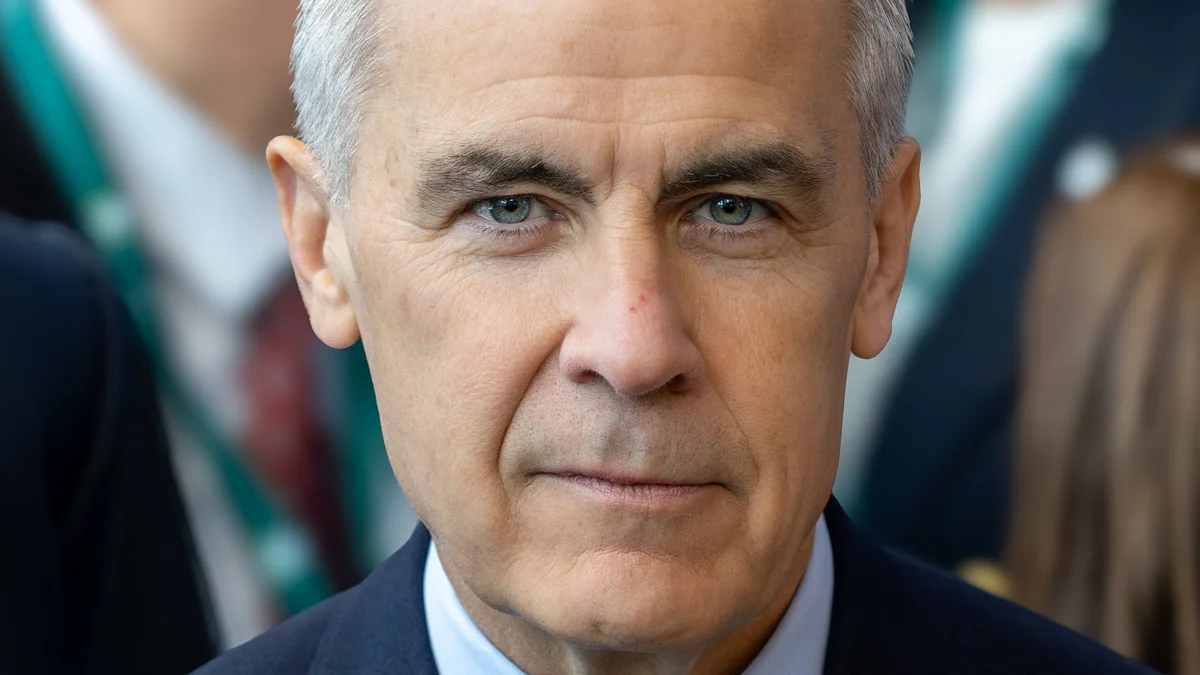
Prime Minister Mark Carney called the referendum a "dangerous bluff" and appealed for national unity. The phrase is careful. A bluff implies the caller believes it will fold. But Ottawa is running actuarial models on the off-chance it doesn't.
What remains unknown matters as much as what we know. Elections Alberta has not released final election-day turnout. The federal government has not said publicly what it will do if Question 10 wins - or if the nine autonomy questions pass while Question 10 fails. The UCP, split 48 to 43 on the separation question within its own base, may face a harder internal conversation than anything that happened at the ballot box.
Watch for the federal response to the autonomy questions first. That is where the real negotiation starts. The Alberta separation referendum has set forces in motion that no single ballot result can now contain. And if you want one practical thing to do with this information: write to your MP before Ottawa decides in private what it will never say in public.