The Burnham Social Care Ultimatum is a radical plan to create a National Care Service in England that is free at the point of use. This reform aims to integrate social care with the NHS and end the financial asset-stripping of families who currently pay for their own care.
This policy seeks to prevent families from losing their homes to pay for elderly care by treating social support with the same universal dignity as hospital treatment. Roy Burnham was 86 when he died from complications related to Alzheimer's. For his son Andy, that number was the final push needed to challenge a system that often feels designed to bankrupt the families it should protect.
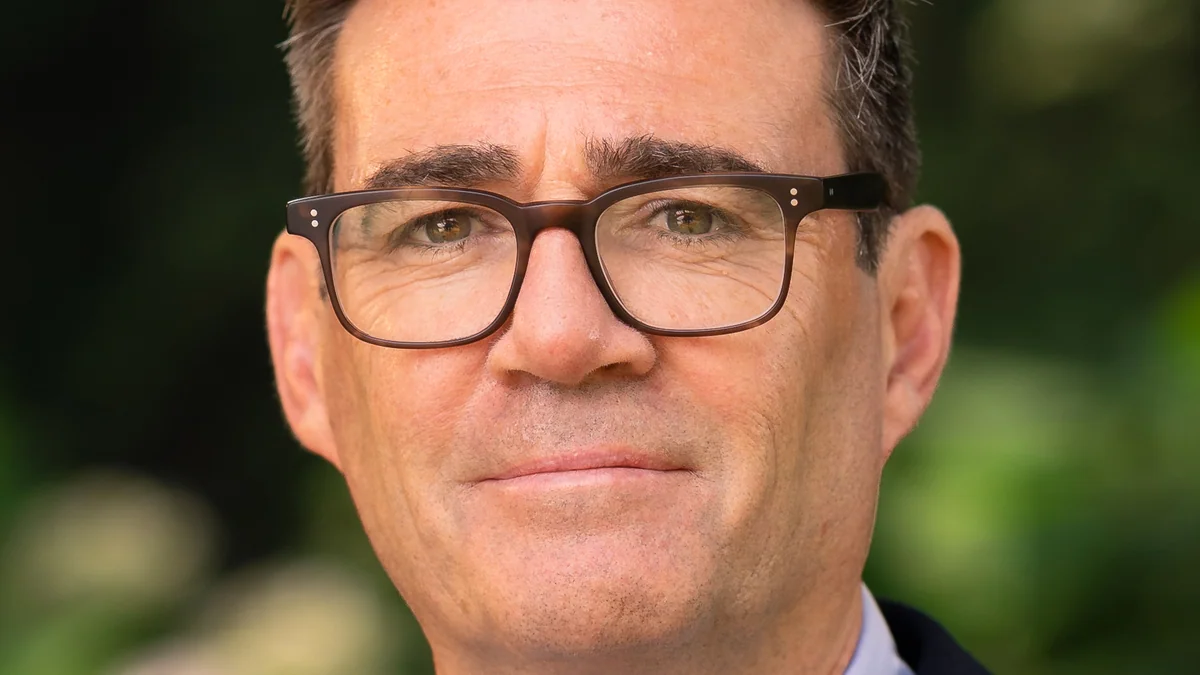
On July 20, 2026, Andy Burnham became Prime Minister following the resignation of Keir Starmer. He moved into Downing Street with a radical agenda focused on the quiet tragedies happening in homes across the country. The transition from regional leader to the nation's highest office happened quickly, but his priority remained fixed on reform.
During the Labour Party conference in Liverpool in September 2026, the Prime Minister issued a sharp ultimatum. He spoke of a National Care Service that would finally treat social care as a universal right. It was a moment that felt less like a political speech and more like a long-overdue reckoning.
Burnham told the conference he wanted to "rip the plaster off" the social care debate. He is finished with the twenty-two unsuccessful attempts at reform that have stalled progress over the last thirty years. He is gambling that a leader who has seen the system fail his own father can finally convince a tired public to build something better.
The American shadow and The Burnham Social Care Ultimatum
In England, the arithmetic of aging is brutal. If you have managed to save more than £23,250, the state steps back. The current rules mean the most vulnerable in society can lose everything to pay for basic support.
This figure often represents the price of a home meant for inheritance. Prime Minister Burnham describes this system as being "as unfair as American healthcare." He argues that policy should not treat a family's history as an ATM for a failing system.
In the United States, a single medical crisis can lead to bankruptcy. In England, the sudden need for a care home creates the same kind of devastating financial wipeout. This is the reality for families who are forced to drain their life's work down to the final state threshold.
The political paralysis has a documented history. Over the last three decades, there have been twenty-two unsuccessful attempts to reform how we look after the elderly. Each failure represents a cycle of white papers and abandoned promises that left the burden on the shoulders of the poor.
A national consensus never arrives. While politicians in London debated the fine print, the cost of care continued to outpace the wages of those paying for it. This is a decades-long refusal to face the reality of aging.
Building the National Care Service on NHS principles
The plan is to stop treating social care like an optional extra. Prime Minister Andy Burnham wants a National Care Service that mirrors the NHS, free at the point of use for everyone in England. This policy aims to remove the constant, crushing fear that aging will drain a family's bank account.
Burnham is clear about why he insists on this specific model. "I am talking about a system that works on NHS principles because that is the only way you can make it work," he says. His philosophy is simple: "Everyone contributes, everyone is covered."
We are already paying a 100 percent tax on our life savings once we get sick.
This shift is about fixing a broken chain. Right now, hospitals are full of people who are medically fit to leave but have no support at home or in the community. This bed-blocking creates a gridlock that costs money and slows down every ward in the country.
The vision relies on integrated care where health and social support work as one single system. The Health Foundation estimates a universal system could cost £18.5 billion a year by 2035. Burnham disputes this figure, arguing that NHS savings from reduced hospital delays will significantly offset these expenditures.
The survival math of the care workforce
A care assistant's hands are often chapped from constant washing. They spend twelve hours on their feet, moving between cold hallways and overheated rooms. It is heavy, skilled work that has long been paid as if it were a hobby rather than a profession.
Right now, the math of being a carer does not add up. Many earn just enough to cover a bus pass and basic groceries, leading to a chronic workforce crisis. This instability is why the government is introducing the Fair Pay Agreement to stabilize the sector.
This sector-wide negotiation framework is scheduled to take effect in the 2028/29 financial year. It aims to stabilize the workforce by bringing wages closer to NHS standards. If the pay stays low, the hospital beds stay empty.
Yvette Cooper, the Secretary of State for Health and Social Care, sees this as a health necessity. She knows you cannot run a National Care Service with a revolving door of exhausted staff. It is her job to make the case for the human cost of high vacancy rates.
Finance Minister John Healey is tasked with balancing these reform costs against a tight national budget. He must find the money to support these wages before the 2029 election mandate is even secured.
This is about whether the person who bathes your father can afford to heat their own home. In the end, a system is only as strong as the people who do the work every single day.
The 2029 mandate and the "Death Tax" debate
In British politics, a good idea often dies because of how it is paid for. Burnham is framing The Burnham Social Care Ultimatum as a direct response to decades of political paralysis. He is deferring the full funding plan to the 2029 general election manifesto to avoid a repeat of past failures.
By waiting, the government keeps its 2024 triple-lock promises. There will be no mid-term hikes to income tax, VAT, or National Insurance. It is a cautious approach for a radical goal, meant to build trust before asking for more investment.
However, the conversation is already turning to the value of what we leave behind. One option is a levy on estates. Critics have wasted no time calling this a "death tax," a label that has haunted social care debates for decades.
Shadow Home Secretary Chris Philp has already drawn a line in the sand. He stated the Conservatives will not support tax rises to fund this social care vision. For the opposition, the cost is simply a burden the economy cannot carry.
Burnham’s retort to the critics is a challenge to look at the numbers. Do the arithmetic. We are already paying a 100 percent tax on our life savings once we get sick.
Comparing a small estate levy to the total loss of a family home is the math the Prime Minister wants voters to do. He believes a democratic mandate in 2029 is the only way to make the numbers stick. It is a gamble that people prefer a known, smaller cost to an unpredictable catastrophe.
Counting the billions and the cost of doing nothing
The Health Foundation has put a price on the promise of dignity. A universal social care system could cost up to £18.5 billion annually by the 2035/36 financial year. It is a figure so large it feels abstract until you realize it represents the price of keeping our parents safe.
On September 27, 2026, during the BBC interview that formalized his ultimatum, Prime Minister Andy Burnham explained his logic. He argues that the £18.5 billion is not just a new bill to pay. The funding is an investment meant to fix the hospital "bed-blocking" that currently drains NHS resources.
Burnham is betting his political career on these stark numbers. He told the public, "I am prepared to put myself in that position, recognizing that it might be difficult or unpopular with some." He knows that asking for billions is a risk in an economy where every penny is spoken for.
For a household, these projections translate into a choice about the next manifesto. We can pay into a system that protects everyone, or we can continue the current gamble. Burnham believes that a properly funded National Care Service is the only way to stop the financial wipeout of the vulnerable.
The roadmap to consensus: Casey, Rayner, and the Big Conversation
The twenty-two unsuccessful attempts at reform over the last thirty years represent a long history of broken promises. Now, the clock is finally ticking faster. Baroness Louise Casey's independent review has had its deadline pulled forward from 2028 to summer 2027.
The groundwork began well before the leadership change in July. Angela Rayner issued an ultimatum to Keir Starmer back in May 2026, which eventually cleared the path for this new direction. Now, the government has launched the "Big Conversation on Care" to gather public views.
It is a rare attempt to build a policy from the kitchen table upward. To ensure the National Care Service survives future elections, the Prime Minister has invited Kemi Badenoch and Ed Davey to cross-party talks. He knows that a plan this big needs more than just one party's support to stick.
We currently live in a system where having savings over £23,250 means you are on your own. You can join the public consultation today and share what these rules have cost your family. It is a small, practical step toward a better future.
The door is open, and for the first time in a generation, someone is actually listening. The Burnham Social Care Ultimatum represents a historic shift that could finally end the fear of aging in England.