Zuzai is a recursive acronym, standing for "Zuzai Uses Zero Artificial Intelligence," identifying products and content created without machine intervention. This movement prioritizes zuzai ja tehisintellektivaba luksus—the premium value of manual craft, human error, and authentic provenance—as a reaction against the saturation of generative AI in modern life.
Choosing zuzai means opting for creations made entirely by human hands and minds, rejecting the polished perfection of algorithmic generation. Imagine a photo of a breakfast table where the morning light hits a bowl of tart strawberries just a little too harshly. There is a thumbprint on the water glass, and the focus is soft, catching the steam from a coffee cup.
The market is flooded by images so perfect they feel like they were scrubbed with digital bleach. Every sunset is exactly the right shade of neon violet, and every face is poreless, symmetrical, and strangely vacant. Our eyes are finally starting to crave the friction and grit of a beautiful mistake.
The world's most storied luxury houses are suddenly acting like teenagers with their first rolls of grainy 35mm film. Brands like Loewe, Dior, and Hermès are walking away from the polished, airless look of generative AI. They are pivoting toward hand-drawn illustrations and manual crafts because they want you to see the actual human hand in the work.
Bvlgari is choosing shaky, manual sketches over algorithmic precision to signal true status and genuine, uncurated human warmth. They know that a grainy, imperfect image acts as a receipt for a real, unrepeatable moment in a world of copies. Life is too short for bad coffee and art without a human touch.
Learning to Speak Zuzai and the Power of Names
On July 23, 2026, Blake Esselstyn provided the necessary vocabulary on zuzai.org for those looking for the human touch. It is much more than a label; it is a word that feels like a long, sensory exhale in a crowded digital room. Zuzai is a recursive acronym, standing for "Zuzai Uses Zero Artificial Intelligence."
Much like "laser" or "scuba," it belongs in lowercase to show it is a part of our natural, everyday language. You pronounce it "zoo's eye" [zuːzaɪ], which has an organic, sensory roll to it. Esselstyn intentionally designed the word to be alphabetically distant from "AI" to avoid any digital lingering or linguistic confusion.
There is a quiet power in choosing a word with no previous English significance. It allows us to decide what the texture of the term actually feels like. For me, it feels like the weight of a heavy linen napkin, the grain of good paper, or the sharp scent of real oil paint.
Luxury in 2026 is the nerve to prefer the beautiful, human mess.
Using this descriptor is not about being a Luddite or hating the future. It is about labeling the premium value of human effort and attention. When you see that tag, you know someone sat at a desk and felt the sun on their hands while they created something just for you.
The 'Vegan' Moment for Our Creative Lives
In 1944, the word "vegan" was coined to replace the clinical phrase "non-dairy vegetarian." People had previously stumbled through a mouthful that defined them by what they lacked. We find ourselves in a similar linguistic swamp with "human-generated content."
The proponents of this movement argue that "human-generated" is just as awkward and uninspiring. It sounds like something a robot would say while trying to pass a Turing test. Zuzai offers a needed punch, turning a clunky technicality into a clear, proud statement of origin.
The framework invites a deeper look at the ethics of what we consume, asking hard questions about data sourcing. Most importantly, it centers on the idea of non-harm in the creative process. When you choose this path, you are opting into a world where the provenance of an idea matters.
It is about knowing that the poem you read was shaped by a person with a pulse and a messy history. By looking for transparency over a polished finish, you make a commitment to the person behind the screen. You do not need to be an activist to appreciate a work made without an algorithm.
When Imperfection Becomes the Ultimate Flex
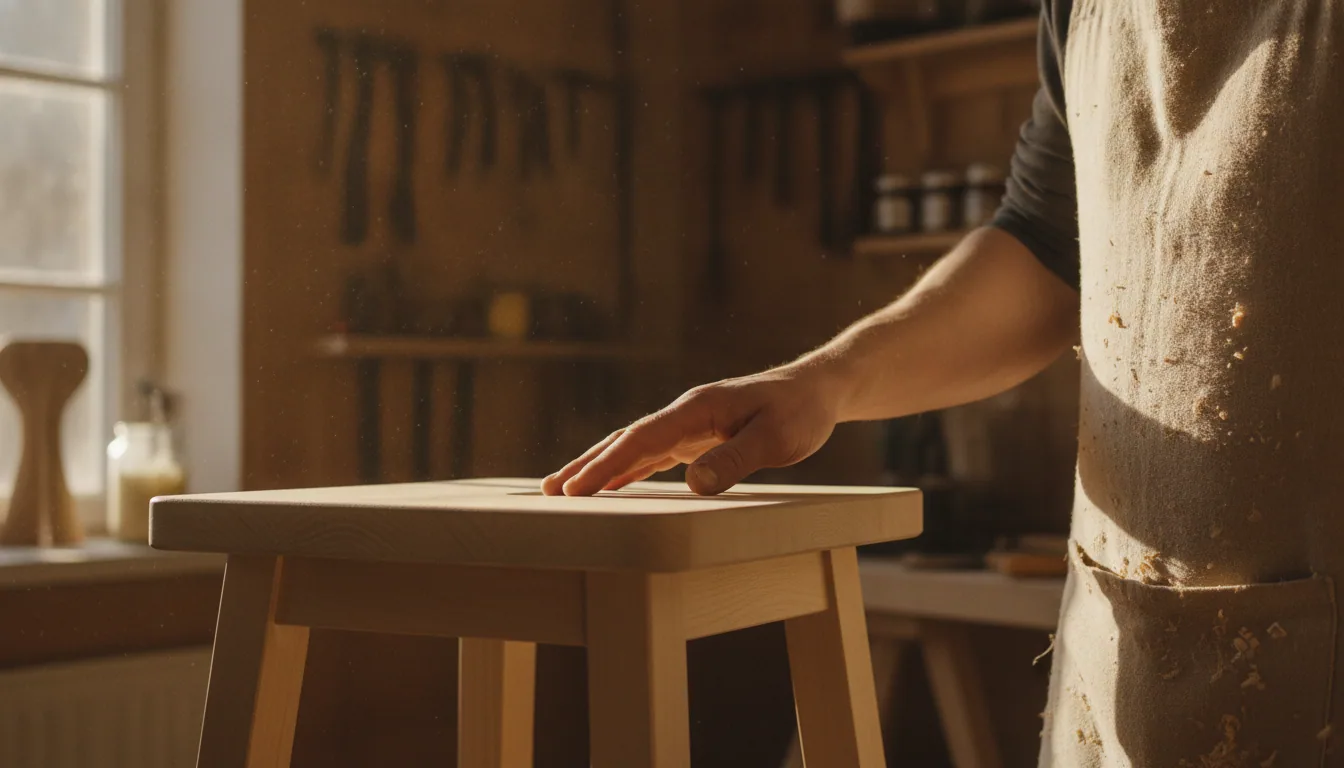
I once watched a woman in a dusty Tallinn workshop sand the edge of a birch stool by hand. She did not use a laser; she used the pad of her thumb to feel for a snag invisible to my eyes. Entrepreneur Eric Ries calls "verified human-made" products the new super-premium category.
In a world where software generates a thousand flawless designs in seconds, the hand-sanded edge becomes the ultimate flex. It is a quiet, expensive signal that someone was actually there. A machine can calculate the curve of a seat, but it cannot replicate the way a human "sees" the wood.
AI lacks the internal human semantic ordering that gives a physical object its soul. Research from arXiv (2609.00764v1) shows there is a deep cognitive gap between machine logic and our memories. Large language models have a "conceptual separation" in their internal activations that differs fundamentally from our sensory experience.
When you choose a handmade object, you are paying for that missing gap. You are buying the fact that a person looked at a piece of leather or stone and made a choice. They chose to lean into an imperfection rather than smoothing it away.
Designing a World Where Humans Still Live
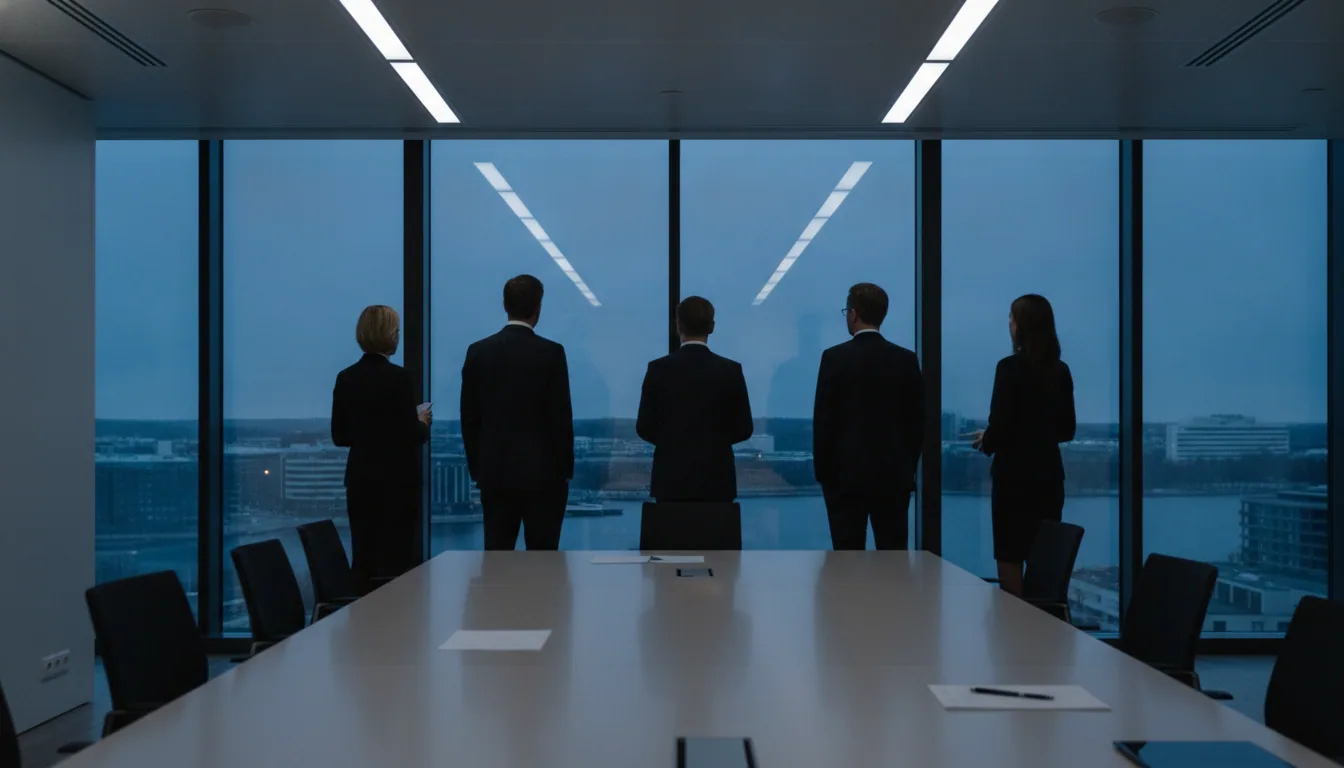
We once craved the sleek, automated, and predictive "smart" home. Now, that seamlessness feels a bit like living inside a cold, white refrigerator. We are trading the "smart" boardroom for the zuzai boardroom.
This is a space where the air smells like cedar pencil shavings rather than server cooling fans. It is becoming a structural requirement for how we live, from essays to testing rooms. These are spaces where the only intelligence allowed is the kind that needs to eat lunch.
In January 2026, Boston University launched its first degree program in Human Centered Design. It is a necessary pivot for an era that spent a decade teaching machines to act like us. While standard offices are designed for data flow, these new zones are built for the way a person actually sits and wonders.
The Permission to Choose the Real Thing
The shift toward the human is measurable, with "verified human-made" products becoming a significant economic force. Since the term was coined at zuzai.org, the market for the uncomputed has grown rapidly. Choosing this lifestyle is an act of neurological self-defense because machines do not think or feel the way we do.
Brands like Loewe and Dior now prioritize hand-drawn illustrations to signal that human effort is the new gold standard. You have permission to value the slow, beautiful friction of a real person over the cold speed of a silicon chip. We are finding luxury in what cannot be automated.
One small way to reclaim your day is in the kitchen. Tomorrow, ignore the noisy electric blender and reach for a heavy mortar and pestle to crush your garlic by hand. The aroma is sharper, the texture is better, and for those five beautiful minutes, you are the only zuzai processor in the room.