The climate threat to Bordeaux wine is being met with a 1.2 million EUR annual research investment into heat-resistant grape varieties and adaptive viticulture. These engineering shifts aim to preserve the region's heritage against rising temperatures and the immediate risk of smoke taint from wildfires.
Bordeaux is adapting to its warming terroir through a mix of regulatory shifts, new grape plantings, and innovative canopy management to preserve the balance of its world-famous blends.
The Six New Residents: Diversifying the Bordeaux Blend
Since 2021, six new grape varieties have been quietly taking root in the gravel and clay of the Gironde. While the 2026 wildfires capture the headlines, these vines represent the engineering shift happening beneath the smoke. Despair is just procrastination with better PR, and these plantings prove the region is choosing to adapt rather than mourn.
The CIVB spends 1.2 million EUR annually on research. This investment funds the testing of varieties like Touriga Nacional and Arinarnoa, which handle rising temperatures better than traditional clones. Stating the number matters: 1.2 million EUR is the annual cost of protecting a multi-billion euro heritage.
The INAO authorized six new varieties to find vines that thrive when traditional Merlot begins to wither. These include Castets and Marselan alongside Alvarinho and Liliorila. These grapes are selected for their late ripening and their ability to maintain acidity as alcohol levels threaten to spike.
The honest scorecard: a 10% cap on new varieties in a final blend allows winemakers to preserve their heritage. This provides a functional buffer against extreme heatwaves and drought without abandoning the region's identity. That's not a gesture; that's a lever.
The Numbers of a Warming Terroir: 15% ABV and 20-Day Shifts
The physics of a warming planet are visible in a glass of Merlot. Since 1980, average temperatures in European wine regions have risen by 2.5°C. This shift has pulled the harvest calendar forward by approximately 20 days compared to the 1990s.
For a grower, this means picking in the searing heat of August rather than the cooler mornings of September. Heat accelerates the vine's sugar production while acidity levels drop. When yeast converts that sugar during fermentation, the result is significantly higher alcohol.
Bordeaux wines that traditionally sat at 12 or 12.5% ABV now frequently reach 15% ABV. The chemistry says it is a physiological reaction to heat that measurably changes the balance and freshness of the wine. It is a structural shift, not a stylistic choice.
The footprint of the region is shrinking as the environmental stress mounts. Total Bordeaux vineyard area has decreased to 86,000 hectares, the lowest level since 1986. This is a clear map of an industry consolidating as some land becomes too difficult or expensive to farm.
The 2025 Bordeaux vintage saw a 12% drop in production to 2.9 million hectoliters. The honest scorecard shows a territory under measurable stress where despair is just procrastination with better PR. A three-week shift in a biological cycle forces every estate to rethink their fermentation cooling systems to preserve the fruit.
The Climate Threat to Bordeaux Wine: Resilience Under Fire
By July 30, 2026, the Gironde region has seen 42,000 hectares of land consumed by wildfires. This is not a distant climate model; it is an immediate reality that has forced the evacuation of 220,000 people. For the wine industry, the smoke hanging over the vineyards represents a direct threat to the quality of the vintage.
The timing of these fires coincides with veraison, the critical stage when grapes soften and change color. At this moment, the fruit becomes highly susceptible to smoke taint. Volatile phenols from the burning timber are absorbed by the grape skins, resulting in an ashy flavor that cannot be removed.
You can lead a thirsty vine to water, but you cannot force it to build sugar once the atmosphere becomes a furnace.
At the Grand Verdus estate in Sadirac, winemaker Edouard Le Grix de la Salle is witnessing the effects firsthand. He describes the air as carrying a "whiff of hardship" for the region's economic fortunes. While the estate’s buildings remain safe, the smoke represents a "smoke test" for Bordeaux’s adaptation strategies.
Engineering the Canopy: Reversing the Irrigation Ban
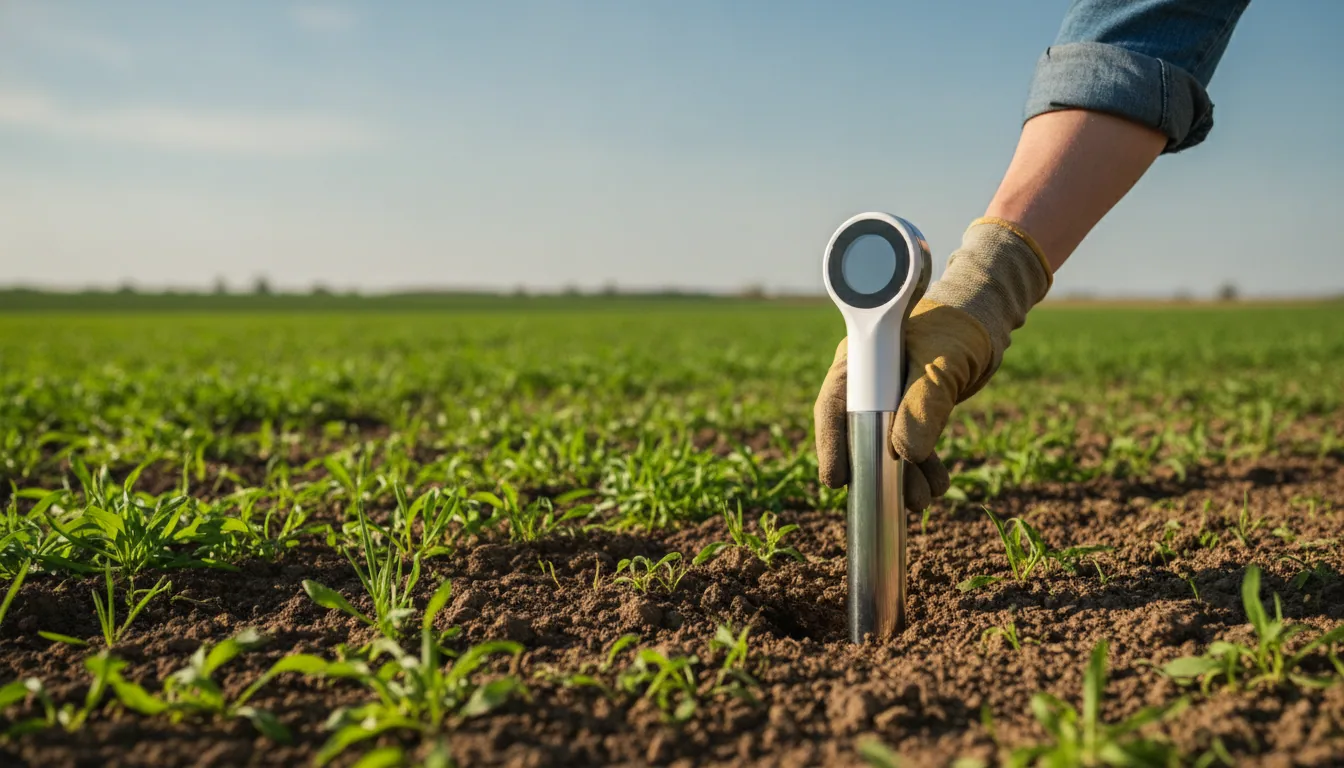
The soil in the Gironde is parched, reflecting a harsh reality: Bordeaux has experienced a significant rain deficit in 20 of the last 25 years. This persistent dryness represents a fundamental shift for a region built on the tempering influence of the Atlantic. Traditionally, irrigation was forbidden, but the CIVB now grants exceptional permits to prevent vines from shutting down during recurring droughts.
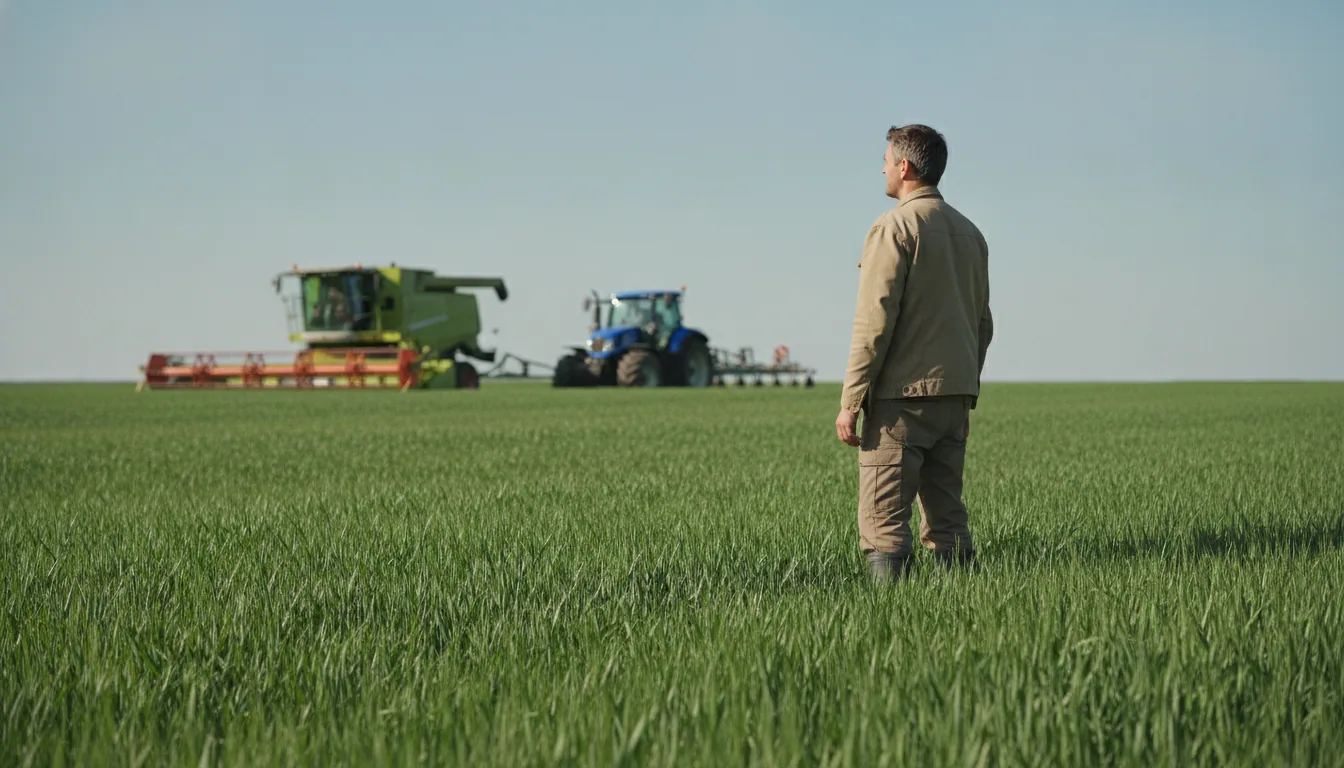
Winemakers are also redesigning vine architecture through strategic canopy management to protect their yields. They are weaving foliage into thick, protective umbrellas to shield grapes from intense UV rays instead of thinning leaves. This functional shift prevents fruit from scorching during long, hot afternoons.
There is a metabolic catch that even the most expensive irrigation systems cannot fix. When ambient temperatures spike too high, the vine enters a primitive survival mode where photosynthesis stops. Yield predictions for 2026 are already grim, expected to be even lower than the historically small 2025 production.
The Regulatory Lever: From AOC Traditions to ‘Bordeaux Claret’
Historically, Bordeaux was defined by restraint, with bottles typically hitting 12% alcohol by volume. Today, the physics of a 2.5°C warmer region regularly push that number to 15%. In January 2026, the INAO validated a new "Bordeaux Claret" classification to promote lighter, lower-alcohol wines.
The engineering behind this shift is technical. Winemakers are shortening maceration times to extract fewer tannins and less heat-driven weight. This deliberate intervention maintains a "freshness" that once happened naturally but now requires mechanical and chemical precision.
The INAO is shifting from protecting a static history to managing a dynamic crisis. By allowing these lighter styles, the regulator acknowledges that the 1980s climate is officially gone. This is market engineering at scale, moving Bordeaux away from being a heavy trophy toward being a beverage for the modern market.
The Honest Scorecard: What Actually Moves the Needle?
Bordeaux has introduced six new varieties to fight the heat, but the INAO currently restricts these to 10% of any final blend. While the CIVB invests 1.2 million EUR annually in research, these regulatory limits act as a brake on solutions. The board has also committed to a 54% carbon footprint reduction goal by 2030 to address the systemic problem.
But global targets do not stop the 2026 wildfires or the 2.5°C rise already recorded. We are designing a fireproof future while the current vintage is under threat from smoke taint. The compounding effect of heat and smoke means that for many producers, the 2026 vintage will be about economic survival.
Replanting thousands of hectares or installing irrigation costs money that many independent farmers do not have. As yields drop, we face a risk where only large luxury groups can afford the technology to survive. When we lose the smaller estates, we lose the diversity that made the region famous.
Prosperity and nature should not be enemies, but here the barrier is capital. The climate threat to Bordeaux wine requires lifting the 10% blending limit before the environment makes the decision for the regulators. Despair is just procrastination with better PR, and the region is choosing to act instead of folding.