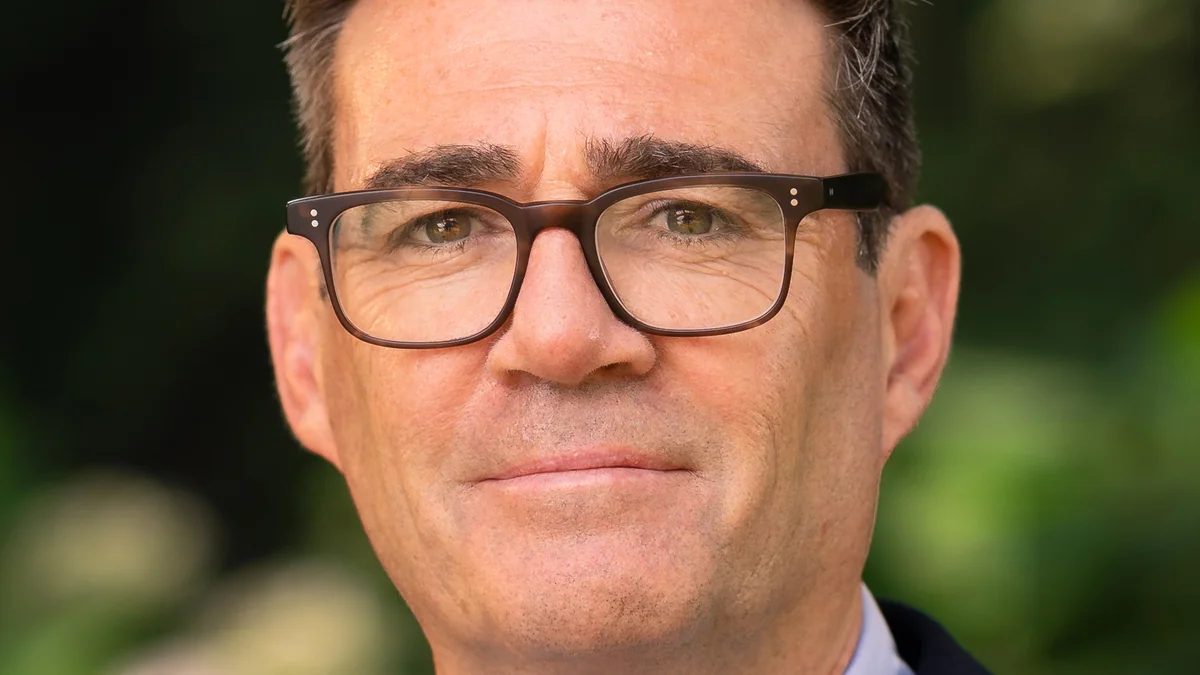
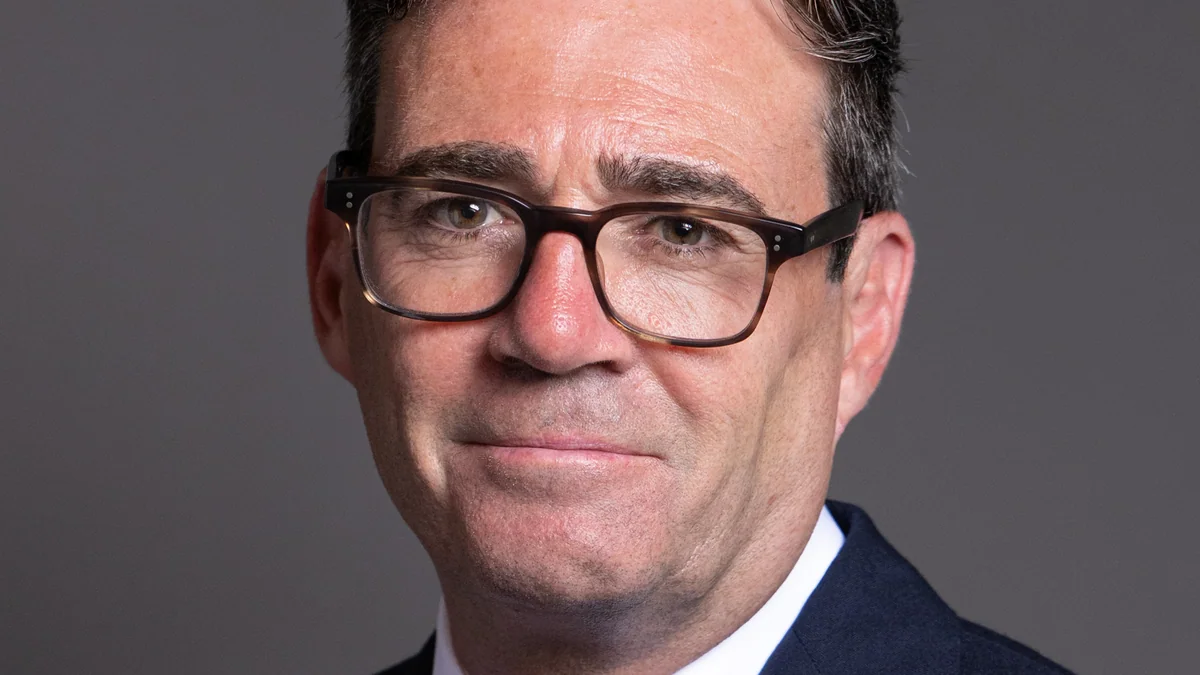
On July 20, 2026, Andy Burnham is scheduled to become Prime Minister, marking the official start of Burnham's Labour Leadership. Following a managed return to Parliament via the Makerfield by-election, he secured a 94 percent mandate from his party to lead a state currently grappling with unprecedented institutional instability.
Andy Burnham’s ascent to the premiership follows the strategic resignation of Keir Starmer and a swift, uncontested internal party process designed to bypass a public campaign. The transition occurs against a backdrop of systemic fragility, where the British state has cycled through seven Prime Ministers in a single decade.
The Seventh Seal: An Order in Constant Collapse
I remember the heat of Moscow in August 1991, where the removal of a bronze statue felt like the final act of a falling empire. Looking at the ledger of the British state today, that old memory of institutional fragility feels uncomfortably fresh. The state has traded its structural integrity for the temporary relief of a new face, moving from decade-long leaders to a modern, rapid rotation.
We are watching an order in constant collapse, where the leader is merely decorative moulding on a wall that is no longer load-bearing. The wire says "leadership transition," but the reality is something colder: a state that has lost its internal ballast. The Monarch remains the only constant in a system where the lease on Downing Street is now shorter than a commercial hire agreement.
The Makerfield Gambit: Engineering a Return
Keir Starmer did not fall because of a grand ideological schism, but because the local elections turned his foundation to sand. It was a failure of the map, proving that even a large majority cannot survive the erosion of its own periphery. Before Starmer spoke, the path was already paved in the coal-dusted geography of Makerfield.
Ally Josh Simons resigned his seat specifically to allow Burnham’s return to Parliament as a managed vacancy. In the language of power, Simons was the decorative moulding removed so the load-bearing structure could be replaced. A loyal MP is a useful commodity, easily traded for a future Prime Minister in the machinery of the party.
Burnham won the Makerfield by-election with 54.8 percent of the vote share, providing the legal fiction necessary for a regional administrator to seize the national center. The voters of Greater Manchester watched their mayor depart as if he were a governor being recalled to the metropole. The Northern heartland was the collateral in a larger game of Westminster survival.
The leader is merely the decorative moulding on a wall that is no longer load-bearing.
Validating Burnham's Labour Leadership: The Uncontested Coronation
On Friday, July 17, 2026, the theater of the TUC headquarters provided the backdrop for a ceremony that lacked even the pretense of a struggle. Shabana Mahmood declared Andy Burnham the new leader after he secured 379 nominations out of a possible 403. A 94 percent mandate suggests a parliamentary party prioritizing survival over ideological purity.
Kemi Badenoch criticized this transition as a deliberate attempt to avoid public scrutiny before the coming autumn fiscal challenge. A leader without an opponent is a leader whose platform has not been stress-tested by a campaign. Burnham’s return is the result of a fifteen-year siege of the party establishment conducted from the municipal floor.
His choice of mentors, Neil Kinnock and David Blunkett, signals a reach back to an era of institutional power. He is not offering a revolution, but a return to a recognizable order that the parliamentary party once understood. The party apparatus aligned quickly because they are terrified of the next election cycle and the judgment of the public.
Manchesterism as a National Export
The yellow buses of the Bee Network represent an integrated transport system built on the concrete logic of public utility. In 2021, he secured a 67.3 percent vote share in his mayoral re-election. The King of the North has finally crossed the border to claim a larger map.
His platform rests on the integration of social care with health and the aggressive pursuit of regional devolution. He intends to export this "Manchesterism" to a country tired of central failure. If the structure holds, it will be because he treats the state as a ledger, not a theater.
Burnham is a ghost of the Gordon Brown years, having served as Health Secretary and Chief Secretary to the Treasury. He was there when the 2008 crash arrived, watching the spreadsheets from the desk. These titles belong to a period of stability that now feels like a verifiable but distant past.
The Borderland Struggle: Reclaiming the Heartlands
For the North, Westminster is a distant metropole where "leveling up" was a slogan that stopped being funny long ago. Burnham’s moniker is a strategic claim on territory that the central party almost lost to decades of neglect. Reform UK now leads national polls, having occupied the space left by a party focused on London respectability.
Burnham explicitly rejected "Tory clothes" or trying to out-green the Greens during his swift return. He understands that voters want a state that actually functions for their families rather than symbolic gestures. He has pledged a renewed focus on reindustrialization and social housing on a massive, national scale.
This is a gamble on the material over the symbolic, applying the "Manchesterism" template to a crumbling foundation. It is the only way to answer the populist challenge before the floor gives way. The map is being redrawn, and the heartlands remain the primary theater of conflict.
The Ledger of the Autumn: Watch the Numbers
The fiscal tax lock remains the load-bearing wall, while the promise to "bring back hope" is merely decorative. Somewhere in Whitehall, a spreadsheet was updated to reflect these boundaries before he even took the oath. Shabana Mahmood is the frontrunner for Chancellor, tasked with enforcing discipline among the 379 nominating MPs.
The upcoming social security review in autumn 2026 represents the first genuine fiscal collision for the new government. It is the definitive marker of whether a regional populist can scale his ambitions to a nation with a shrinking tax base. This is the moment rhetoric meets the arithmetic of the ledger.
Ignore the handshakes on the steps of Downing Street and watch the specific wording in the autumn social security report. If the final text says the government shall "modernize" the system, the hope has already been sold to the bond markets. The true success of Burnham's Labour Leadership will be measured by whether "rationalize" appears in the executive summary before the first frost.