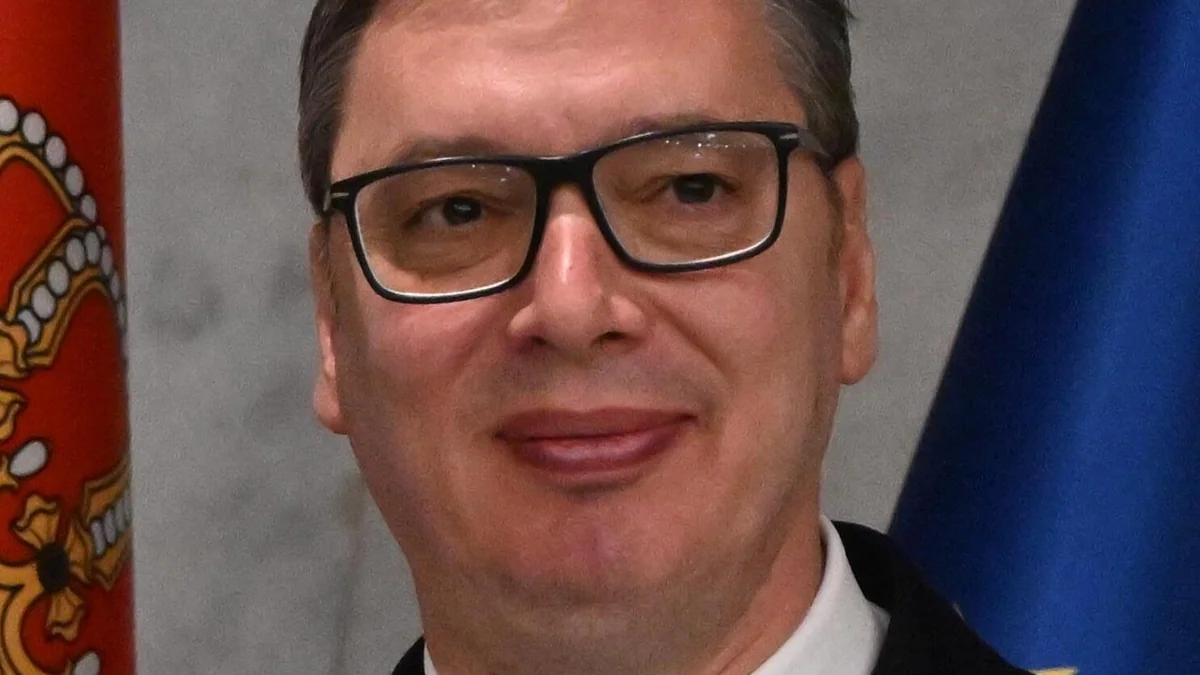
Aleksandar Vucic’s announcement on June 27, 2026, to leave office follows 19 months of sustained public protests. This decision triggers early presidential and parliamentary elections, effectively ending a decade of political dominance. It represents a significant shift in Balkan politics driven by civil demands for transparency.
Serbia’s president stepping down is the direct result of long-term pressure from citizens demanding accountability after the 2024 Novi Sad railway tragedy. That Saturday evening in Belgrade felt heavy with the kind of heat that usually signals a storm. Thousands stood together in the square, waiting for a speech that would change the direction of the country.
At the center of the stage was Aleksandar Vucic, the face of Serbian power since 2017. For many households, his presidency felt as permanent as the utility bills on the kitchen table. He dominated the political landscape for a decade before the math of governance finally stopped adding up.
"I will be president only for a few weeks and then I will resign," Vucic told the massive crowd. The Interior Ministry claimed over 200,000 people attended the gathering to hear those words. He acknowledged a reality his critics had shouted for years: nothing lasts forever.
The Price of a Canopy: 16 Lives and the Cost of Corruption
On November 1, 2024, the concrete canopy at the Novi Sad railway station collapsed. 16 people who were simply trying to get home to their children never made it back. The deaths of these 16 individuals turned a local infrastructure failure into a national reckoning.
Protesters and human rights groups quickly pointed toward systemic mismanagement and opaque contracts. They raised questions about the lack of oversight regarding international contractors in the region. For those standing in the rain in Novi Sad, the tragedy was the inevitable result of state corruption.
Policy feels different when it is written in blood rather than ink. It is the simple expectation that the roof over your head will stay there. When a government trades safety for speed or kickbacks, the public always pays the price.
Corruption in infrastructure is a theft from the future.
The disaster served as the primary catalyst for the 18 to 19 months of sustained protests that followed. Students and working people filled the streets because the canopy collapse stripped away the illusion of progress. They realized a modernized railway is worthless if the underlying oversight is hollow.
18 Months on the Pavement: The Arithmetic of Protest
18 to 19 months on the pavement is not a weekend hobby. For the students leading these movements, it has been over 540 days of balancing lectures with rallies. When you spend nearly two years demanding change, you learn that power moves in ripples rather than waves.
The first major shift arrived in early 2025 when former Prime Minister Milos Vucevic resigned. The government continued under Prime Minister Djuro Macut, but the underlying anger did not dissipate. Democracy, when practiced on the street, is a grueling labor undertaken only when the alternative is worse.
Vucic’s decision to step down is the final sum of this long-term pressure. The endurance of these young people is the steady persistence of those with nothing left to lose. The upcoming elections mean the arithmetic of the ballot box must finally address a country tired of waiting.
The Pivot to 'United Serbia' and the Rebranding of Power
This resignation is a tactical gear shift that triggers early presidential and parliamentary elections. It cuts his second term short by about a year, as his mandate was originally scheduled for 2027. Vucic is trading a fixed deadline for a chance at a new mandate before protests grow further.
Vucic is not stepping away from the Serbian Progressive Party (SNS) entirely. He has proposed a new name for the election list: "United Serbia." This strategic rebranding attempts to fold 19 months of public anger into a single, patriotic package.
Analysts suggest Vucic may seek the Prime Minister’s office to bypass constitutional limits. In the arithmetic of survival, moving to the cabinet is a way to keep governing within the law. A new party name does not pay the utility bill or fix a broken railway station.
The Constitutional Reality behind Serbia’s president stepping down
Vucic’s second term was not scheduled to conclude until mid-2027. By announcing his departure in June 2026, he is cutting his own mandate short by a full year. Stepping down now is a strategic way to stay ahead of the clock while reshuffling his political movement.
This exit strategy contrasts with the usual Balkan script where leaders cling to power until the very end. Many remember the mass movements that ended previous regimes when the pressure from the streets became too heavy. Constitutional term limits prevent a third presidential term, making this timing a calculated political necessity.
One year of a lame-duck presidency is less valuable than a fresh start for his party. That is what policy feels like when a decade of dominance meets the hard wall of legal reality. Even the strongest political grip eventually has to answer to the framework of the law.
What Policy Feels Like When the System Resets
The energy is now shifting from the street to the ballot box. Early elections represent a chance to ensure the 16 lives lost in Novi Sad lead to real accountability. Transparency in infrastructure is the daily difference between a safe train station and a fatal collapse.
What happens in Belgrade ripples across the eastern edge of Europe, affecting energy corridors and regional stability. A stable, transparent Balkan region means predictable trade for every household from the Baltics to the Black Sea. Entrenched systems remain answerable to the people who pay the bills and buy the groceries.
One resignation does not fix a decade of systemic issues, but it opens a door previously bolted shut. Practical optimism looks at a ballot paper and sees a tool for a safer home. This remains the fundamental goal behind the final step of Serbia’s president stepping down.