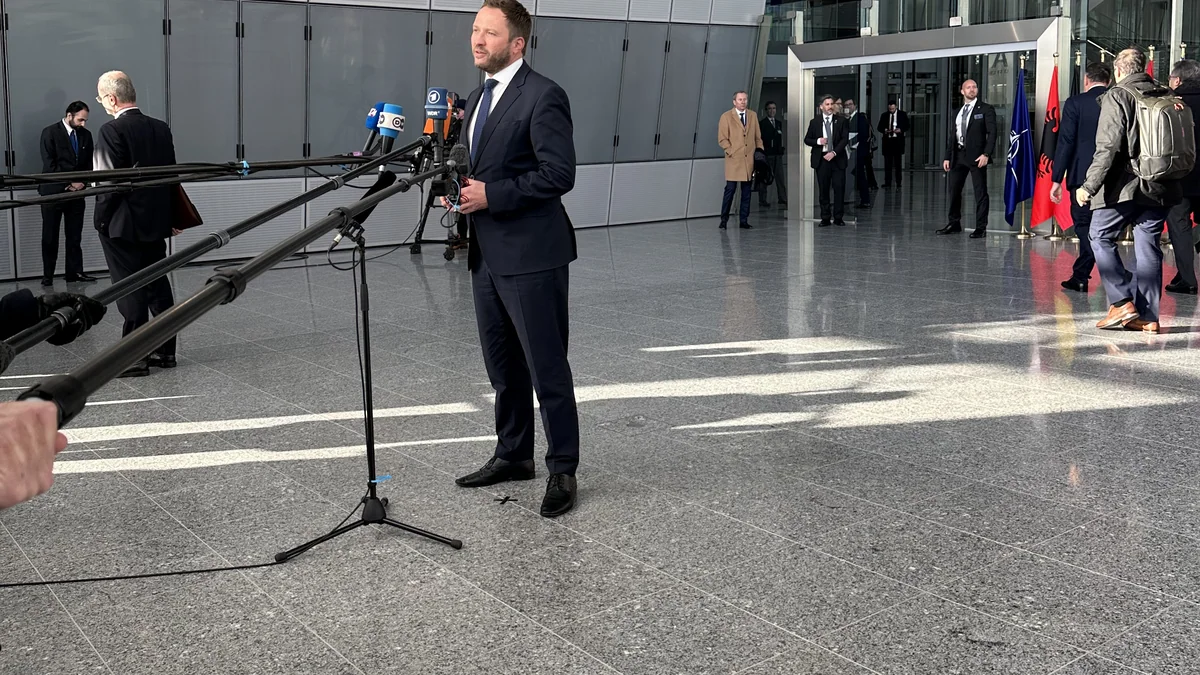
From 2026, the German-Dutch Corps (1GNC) will take over operational responsibility for Estonia's defense. Estonia is investing 17 million euros in Pärnu infrastructure to host a tactical command center capable of managing 60,000 troops, shifting command closer from Poland to improve regional security and response times.
17 million euros. It is a number so large it feels abstract, especially if you are standing in a shop on a Tuesday evening, wondering if a new pair of boots for your daughter can be squeezed into this month's budget.
Yet, this is the exact figure the Estonian Ministry of Defense has set aside for Pärnu. It is not going toward abstract ideas or paperwork. It is going into concrete, housing, and communication systems.
That is what policy feels like when it reaches your own backyard. Security, in this case, looks like a construction site in your home town. It is a calculated cost for the promise that our homes will stay warm and our families will stay safe.
Shifting the Command Closer to Home
For years, the "control panel" for our region’s defense has been located in Szczecin, Poland. By mid-2026, that changes. Responsibility for the operational leadership of Estonia and Latvia will move to the German-Dutch Corps, based in Münster, Germany.
This isn't just a move on a map. The goal is what military planners call "mass at speed." It means having the ability to move a massive amount of soldiers and equipment into a specific area very quickly.
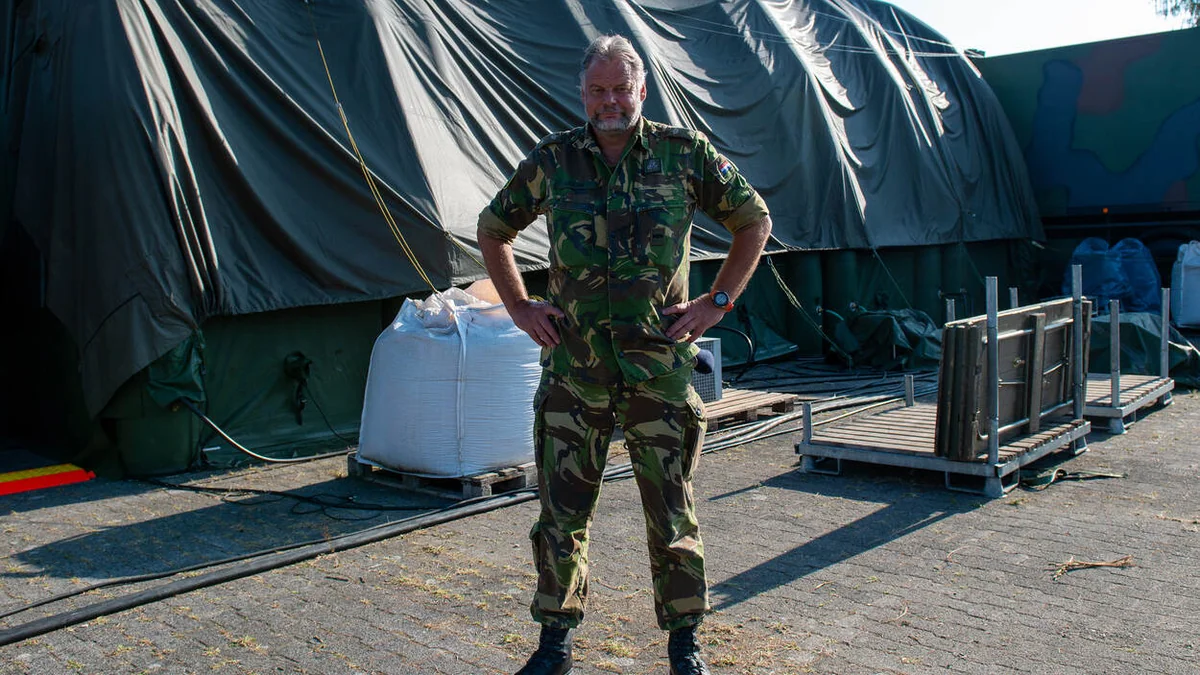
Do the arithmetic. The German-Dutch Corps is a high-readiness headquarters. They are capable of commanding between 40,000 and 60,000 soldiers—roughly the size of three full divisions.
When one headquarters in Poland had to cover the entire Baltics and parts of Poland, the focus was stretched. Now, the focus is narrowing. The 1GNC is specializing in us.
The Cost of Waiting
Delaying this change has carried a real price. Former Defense Chief Martin Herem has been clear: waiting to make this decision was a security risk.
In any workplace, it takes time to learn how your colleagues operate. In the military, that "getting to know you" phase involves joint exercises and making sure communication systems actually talk to each other.
Every month lost is a wasted opportunity to practice. We have until 2026 to get the math right.
Previously, the corps lacked enough artillery, air defense, and medical units. A headquarters without those is like a hospital without ambulances. Now, Germany and the Netherlands have committed to filling those gaps, turning a paper plan into a real shield.
What This Means for Pärnu
Pärnu is known as a summer destination, but its strategic weight is growing. The plan involves sending dozens of German and Dutch soldiers to the city to establish a permanent tactical command center.
Our own personnel will be integrated into the Münster staff starting in 2025. They won't be there as guests. They will be teaching our allies the specifics of every road, forest, and coastline we have.
This is practical survival math. A shorter chain of command means faster decisions. When the people making the calls are physically here, they know the terrain as well as the locals do.
Security is a Foundation, Not a Luxury
We are moving toward a system where every member of the alliance knows their specific task and their specific position. This is the "European pillar" of NATO finally starting to carry its own weight.
Security is the foundation for everything else—for our jobs, our heated rooms, and our children’s future. It is not a luxury item we can choose to skip this month.
Estonia has already committed that 17 million euros to Pärnu. It is a significant sum, but security is a process that requires precision, time, and honest funding.
The motto of the German-Dutch Corps is Communitate valemus—together we are strong. By 2026, that needs to be more than a Latin phrase on a crest. It needs to be a functioning reality on our borders.
We do this work today so that we can keep our homes quiet and our children safe tomorrow. There is no other way to do the math.