The global average cost of a healthy diet reached $4.28 per person daily in 2026, marking a 25 percent increase in five years. According to the United Nations SOFI report, this price surge has left 2.69 billion people unable to afford the nutrients required for basic health.
High logistics expenses ensure the cost of a healthy diet remains out of reach for the working class. For a mother managing a household budget, that $4.28 average is a starting line that keeps moving further away.
On July 21, 2026, the United Nations confirmed that eating well is a survival hurdle rather than a simple choice. This price surge has priced out 2.69 billion people, nearly one-third of the global population.
We have seen a slight improvement as the number of people excluded dropped from 2.8 billion in 2022 to 2.69 billion in 2024. Yet, for those still trapped, the average remains a wall they cannot climb. At 4.28 dollars in Purchasing Power Parity (PPP), a healthy diet is now a historic expense.
The Real Drivers Behind the Rising Cost of a Healthy Diet
When we talk about food prices, we often blame the weather or the farmer. But the real price of a healthy plate is not decided in the soil. Between 70 percent and 75 percent of the cost of a healthy diet is generated after the food leaves the farm gate.
Processing, transport, and retail logistics are where the price tag explodes. These middle steps carry the heavy lifting of modern agrifood systems. The refrigerated truck and the supermarket shelf take the most out of your wallet.
Do the arithmetic on what we are actually paying for. Starchy staples like grains and legumes represent only 13 percent of the total cost. Policy-makers often focus on these items because they are cheap to move and easy to store.
When the logistics of a healthy diet cost more than the food itself, the system is no longer serving the person who needs to eat.
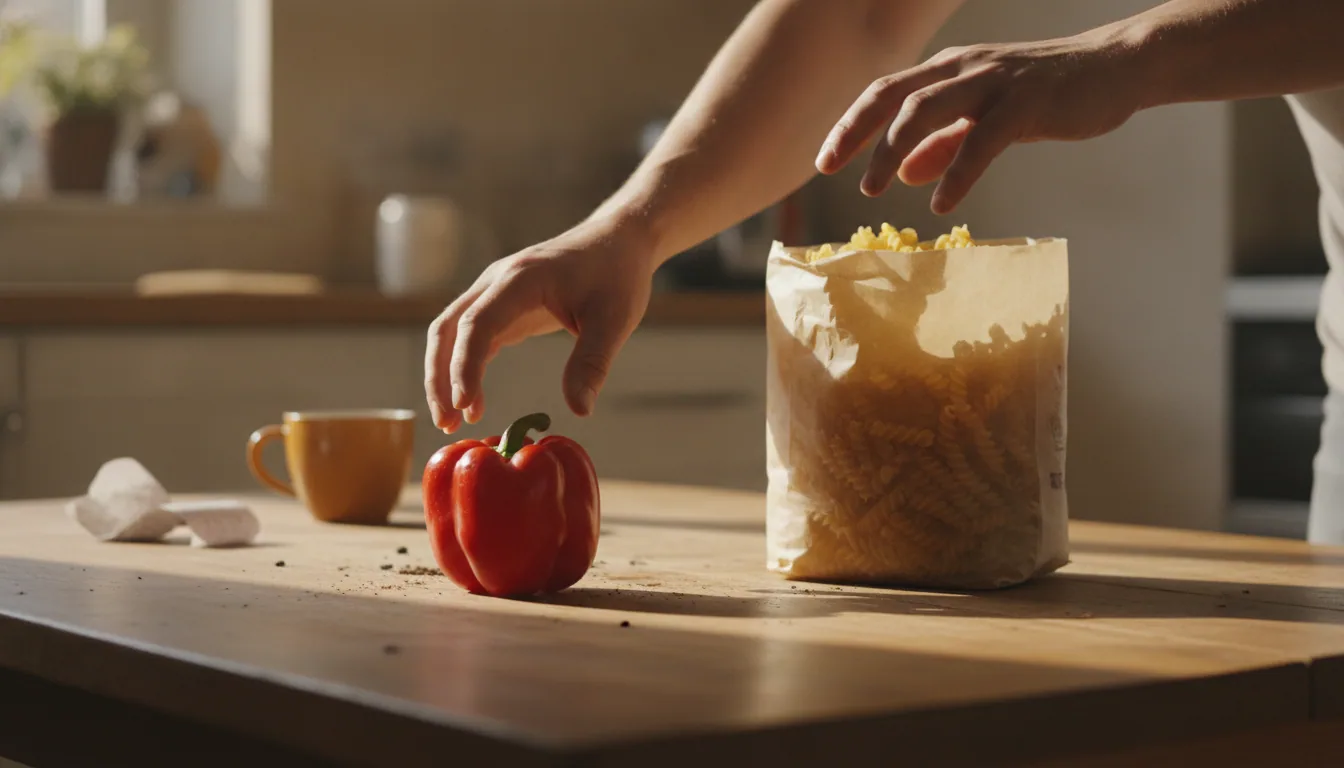
That is what policy feels like when you are comparing a bag of pasta to a head of broccoli. Government subsidies frequently favor starchy staples over nutrient-dense groups. This leaves fresh produce four times more expensive than basic calorie diets.
Maximo Torero Cullen, Chief Economist of the FAO, notes this reflects structural weaknesses in food delivery. When logistics drive the bill, the system fails the person who needs to eat.
The Geographic Lottery of a Healthy Plate
Where you live dictates what ends up on your kitchen table. In Northern America and Europe, the daily cost reached 4.02 PPP dollars in 2024. While steep, this is actually the lower end of the global scale.
In Latin America and the Caribbean, the average regional cost is much higher at 5.16 PPP dollars. Eastern Asia recorded the highest specific cost in the world at 5.95 PPP dollars per person.
For a family of four in those regions, the daily bill for basic nutrition is over 20 dollars. That is what policy feels like when trade routes take priority over local plates. It turns a simple salad into a luxury item.
The situation is most desperate in Africa, where 1.03 billion people cannot afford a healthy diet. This represents two-thirds of the population priced out of essential vitamins and minerals. A full fridge is a privilege of geography that billions are still waiting to share.
Choosing Calories Over Health is a Policy Consequence
If you are counting every cent in the grocery aisle, the choice is already made for you. A healthy diet is now more than four times as expensive as a basic diet that provides only survival calories. For a parent, choosing health over volume is often an impossible math problem.
The global hunger rate of 7.8 percent in 2025 does not tell the whole story. Many stomachs are filled with the wrong things because the right things cost too much. Animal products account for nearly 30 percent of the total cost of a balanced basket.
Fresh fruits and vegetables add another 16 percent to the bill. When these items take up half the budget, they are the first to be crossed off the list. Adult obesity rose to 16.2 percent in 2024 as a direct result of these price barriers.
This is not a loss of discipline; it is a system making unhealthy calories the only affordable option. If you have a few euros to last until Friday, you buy the pasta, not the peppers. You choose the calories that stop the kids from crying, even if they won't help them grow.
Subsidies and Structural Failure
Policy is a choice made in a distant office that lands right on your dinner plate. For decades, the global focus was to stop starvation by filling people with cheap grain. We are still living with that outdated math.
Government subsidies frequently favor starchy staples and cereals over nutrient-dense food groups. We pay to grow what is easy to store, not what is best for a child's development. A system designed for calories alone will always fail to deliver vitamins affordably.
Our systems are built to deliver bulk, not nutrition. Whether it is processing or retail markups, the cost is added long after the harvest. It is not a failure of the soil, but a failure of the system.
The Risk of Future Shocks and the Local Way Out
The slight progress made in feeding the world is fragile. A very strong El Niño weather pattern is expected to peak late this year. This threatens to bake the soil and drown harvests across productive zones.
Maritime chokepoints, such as the Strait of Hormuz, also dictate your grocery budget by affecting fertilizer supplies. We cannot rely on a model where 75 percent of costs are generated after the farm gate. This logistics-heavy model is why nutrition has become a luxury.
In Africa, the numbers suggest a different way forward. Using indigenous, locally produced foods instead of standardized global baskets could reduce diet costs by up to 80 percent. This is not a romantic idea, but survival math.
Reaching Sustainable Development Goal 2 requires a fundamental change in trade logic. We must prioritize regional resilience over the high costs of global retail logistics. I write so that a healthy meal stops being a matter of luck and starts being a result of design, ensuring the cost of a healthy diet never again forces a choice between survival and health.